Partner feature
10 min read
Superstitions in Style: Talismanic Objects in Fashion and Design
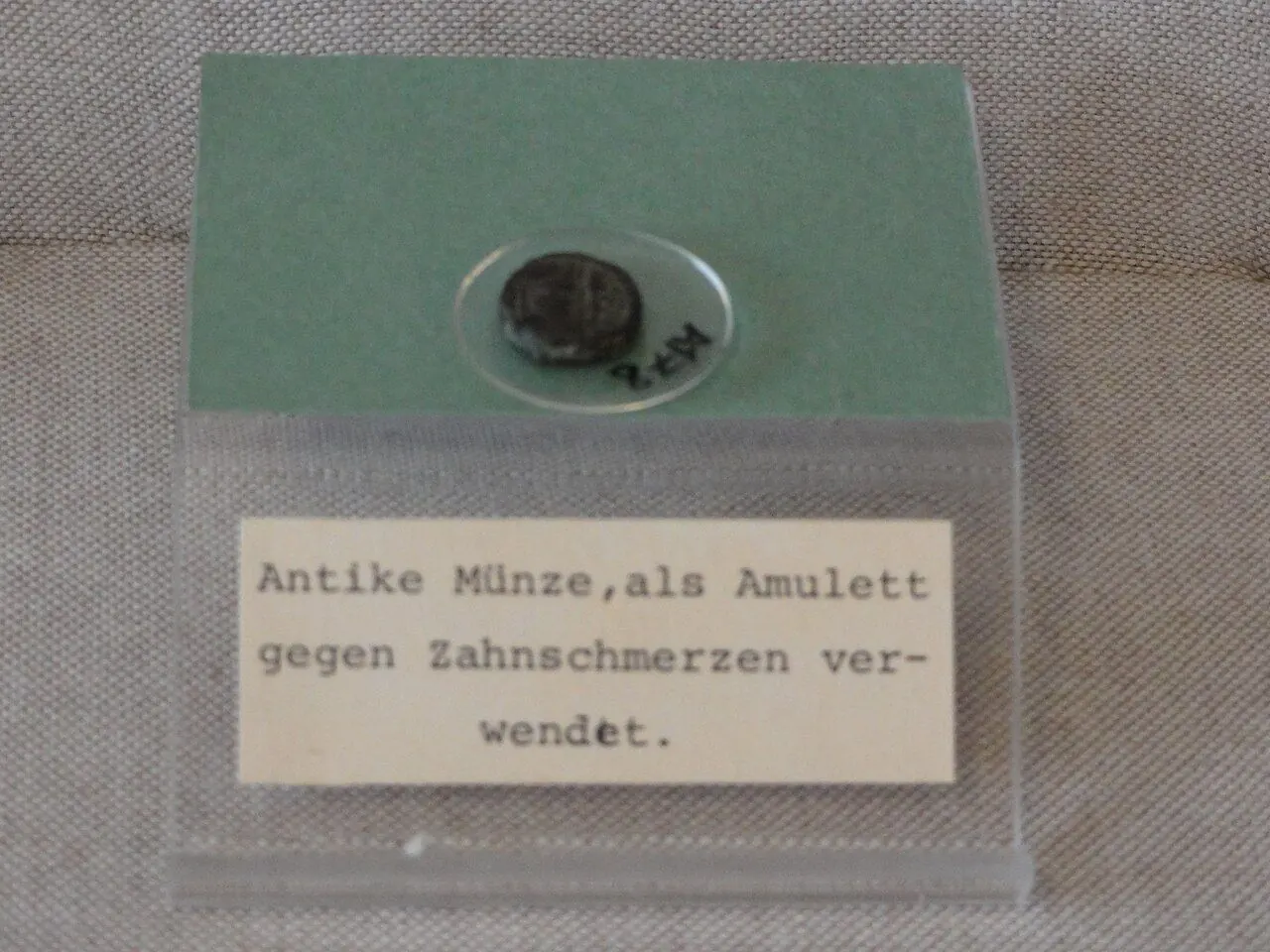
Photo: User:Mattes / Wikimedia Commons, CC BY 2.0 de. Illustrative image.

Partner feature. This article was supplied by a partner and published on doo-nanny.com. It sits outside the editorial sections of the magazine. About partner content.
Key takeaways
- Talismanic objects are worn or placed at home to invite luck or protection. They have a long history in many cultures.
- Common symbols include the evil eye, hamsa, horseshoe, scarab, and four‑leaf clover. Each has a clear story and meaning.
- People love talismans for the feeling of control and calm. This effect is real in the mind, even if magic is not proven.
- You can wear these pieces with respect: learn the origin, buy from good makers, and care for your items.
- We give simple tips to choose, style, and buy. We also share links to trusted museums and research.
Definition: A talismanic object in fashion is a wearable or decorative piece marked by a symbol (like the evil eye, hamsa, or horseshoe) that people believe can bring luck or protection.
Contents
- Why talismans matter today
- A short history
- How symbols change meaning
- Materials and motifs
- Case studies
- Culture and ethics
- Does it work? The psychology
- How to choose and style
- Beyond fashion: home and everyday
- Sustainability
- Buying guide
- FAQs
- References
- Conclusion
Why talismans matter today
Look at any runway, market, or social feed. You will see eyes, hands, stars, beetles, and clovers on chains and bags. In hard times, people reach for simple signs that feel safe. A small charm can be a daily ritual. It can be a link to family, faith, or place. It can also be a bold style choice that starts a talk.
Talismans do not need magic to matter. The point is the story and the feeling. A charm is a tiny map of values on your body or in your home. It can help you focus and stay calm. It can show care for craft and culture. In short, talismans are old, but they feel very now.
A short history of talismans in dress and decor
Talismans go back thousands of years. In ancient Egypt, people wore amulets like the scarab beetle for rebirth and safe travel. Many scarabs in museums have names and prayers on them. You can see fine examples at the Met and the British Museum.
In the Mediterranean and West Asia, people used the evil eye sign to guard against envy. The blue eye bead (nazar) is still common on doors and in cars. The open hand, or hamsa, is a symbol of blessing in many faiths. In Europe, iron horseshoes hung over doors to “trap” luck; Encyclopaedia Britannica notes many old stories about this.
In the Middle Ages and the Renaissance, charms were sewn into clothes. People used saints’ medals, herbs, and stones for health and travel. In the Victorian era, charm bracelets became a big trend. Each charm marked a life event. Queen Victoria helped make them popular; the V&A Museum has many pieces from that time.
In the 20th century, couture and subcultures made new talismans. Bikers wore skulls and iron crosses. Punk used safety pins and razor blades as signs of power and grit. Designers like Christian Dior kept private luck signs, like a star; Dior often nods to this in modern lines (Dior: Good Luck Charms).
Today, talismans sit at a cross of memory, identity, and taste. We still want meaning in what we wear. We also want to show that meaning to others in a clear, stylish way.
The semiotics of luck: how symbols change meaning
Semiotics is the study of signs and what they mean. In fashion, a sign can move from myth to market fast. A symbol starts in one place, with one story. Over time, it gets new layers. A horseshoe can mean farm life, but also luck, or a nod to folk style. An eye can warn off envy or simply look cool on a T‑shirt.
Trade, travel, and media spread these signs. Designers remix them for new looks. This is not always bad. It can make people learn new stories. But it can also blur roots. This is why context matters. A good wearer asks, “Where is this from? Who made it? What does it say here and now?”
Materials and motifs: what designers use and why
Talismans often combine a clear icon with a material that feels right to touch. Here are common motifs and materials, and why people choose them:
- Evil eye: A blue, white, and black eye bead or painted eye. Used to guard against envy. See a simple history at the Smithsonian Center for Folklife.
- Hamsa: An open hand with an eye or patterns. Stands for blessing and care. Learn more at the V&A.
- Horseshoe: Iron or gold, ends up for “holding” luck in some places, down in others to “pour” luck out. See Britannica.
- Scarab: Beetle shape from Egypt, linked with the sun and rebirth. See the Met.
- Four‑leaf clover: A rare plant shape for luck and hope.
- Numbers: 7 is “lucky” in many places; 13 is lucky or unlucky, based on culture.
Common materials add to the feel:
- Gold and silver: They last, they shine, and they are easy to shape. Look for hallmarks to prove metal fineness (see the Birmingham Assay Office).
- Turquoise: Loved for a sky‑blue tone, seen as protective in many places. Learn care and facts at the Gemological Institute of America (GIA).
- Onyx and obsidian: Dark stones for a calm, strong look. See GIA’s gem encyclopedia.
- Glass: Used for evil eye beads. It is bright, low cost, and easy to make in many sizes.
- Textiles and thread: Simple red cords or knots can be tokens of care and faith.
Good craft matters. Smooth edges, solid jump rings, safe clasps, and clean settings make a charm you can trust. A maker’s mark helps you trace who made it and where.
Case studies: brands and creators using talismanic design
- Dior (Luxury house): Christian Dior kept a “lucky star” with him. Modern Dior often shows stars, clovers, and hearts in jewelry and bags. This ties brand story to personal ritual. See Dior’s own note on luck signs: The Good Luck Charms of Christian Dior.
- Foundrae (Independent jeweler): Foundrae builds “modern heirlooms” with symbols like eyes, arrows, and stars for “resilience” and “wholeness.” The pieces mix gold with enamel for bold, easy‑to‑read signs. Press and collectors praise their clear stories (see a profile in The New York Times).
- Alex and Ani (Charm bracelets, DTC): The brand helped push mass‑market charm stacks in the 2010s. Customers picked symbols for family, faith, and luck. This showed how talismans can be low cost and personal at scale (see brand background in Britannica).
These cases show one thing: a talisman sells when the story is clear and the craft is real. People want a sign they can name and a piece that feels good in hand.
Culture and ethics: appreciation vs. appropriation
Many symbols come from living cultures and faiths. So respect is key. Ask simple questions:
- Do I know the origin and meaning? (For the evil eye, see the Smithsonian.)
- Is the maker linked to the culture? If not, do they give credit or support?
- Am I using a sacred sign as a joke? If yes, choose a different piece.
Listen to people from the source culture when they speak on symbols. For Native designs, for example, learn from the National Museum of the American Indian. Buy from makers in those communities when you can. This keeps meaning alive and supports real artists.
Does it “work”? The psychology of superstition in wearable luck
Science does not prove magic. But it does show that rituals can help how we feel and act. When you wear a charm, you may feel more calm and in control. That can change how you perform a task. A 2010 study in Psychological Science found that “lucky charms” boosted confidence and led to better results in tests and games. This is not magic. It is the placebo effect at work: belief changes how we focus and try. See also reviews in Frontiers in Psychology.
Rituals also give structure. Athletes and musicians often have pre‑game or pre‑show habits. A small, steady act can lower stress and improve focus. The American Psychological Association notes that rituals can calm the brain and reduce anxiety. In daily life, a charm can act like that ritual. It reminds you to breathe and to keep your goal in mind.
So, do charms “work”? They can help your mind. They can help your style. They can help you tell your story. That is real value, even without magic.
How to choose and style a talisman responsibly
Pick what feels right and what you can explain with care. Here are simple steps:
- Start with meaning: Choose one symbol that links to your story (family, place, hope, or goal). Write down why it speaks to you.
- Check the origin: Learn where the sign comes from. Read a short guide from a museum or trusted source. We linked many above.
- Look at craft: Check edges, clasps, and settings. Try it on. Does it sit flat? Is it comfy?
- Layer with care: If you stack charms, keep one “hero” and add small pieces around it. Mix chain lengths (short, mid, long) so they do not tangle.
- Match metals to skin and clothes: Warm skin tones like yellow gold; cool tones like silver or white gold. But the best rule is what you love.
- Dress codes: For school or work, pick small, quiet pieces. For night, larger, brighter pieces can shine.
- Support good makers: Buy from artists who share source stories and use fair materials. Check for marks and ask for receipts.
- Care and store: Keep pieces dry, clean with a soft cloth, and store in a pouch. See simple care tips at GIA.
Beyond fashion: talismans in design and everyday spaces
Talismans also live in our rooms, cars, and work desks. A horseshoe can hang over a door. An evil eye tile can sit by a window. A hamsa can be a small wall art by the entry. These pieces greet guests and calm the people who live there. Some builders skip a 13th floor for guests who fear that number. That shows how deep these ideas run in daily life.
Lucky rituals in games and entertainment
People have “luck” habits in many fun zones. Sports fans wear the same shirt on game day. Some gamers keep a small token near their keyboard. In card rooms, some tap the table or set a chip “just so.” If you want to study how sites talk about luck, bonuses, rules, and safety, an independent review page like casinosonlineparaguay.net compares licenses, game lists, and player tools. Always treat gaming as entertainment. Set limits. If you have a problem, seek local help lines and stop play.
Sustainability and the new talisman economy
Today, many buyers want pieces that are kind to people and the planet. You can:
- Use heirlooms: Turn old charms into new stacks. This keeps family stories alive.
- Buy recycled metals: Ask if the gold or silver is recycled or traceable. See the Responsible Jewellery Council.
- Check stone source: Ask for origin and any treatment. For diamonds, learn about rules like the Kimberley Process. For colored stones, ask for honest info from the seller.
- Fair programs: Look for fair‑trade gold where possible (see Fairtrade/Fairmined).
Good provenance and clear notes from the seller build trust. This also fits the spirit of a talisman: a piece with a story you can tell.
Buying guide: questions to ask before you buy
- What is the metal and fineness? Ask for karat (like 14K, 18K) or sterling (925). Check hallmarks (see the Assay Office guide).
- Any nickel? If your skin is sensitive, avoid nickel. Ask for hypoallergenic metals.
- What is the stone? Is it natural, lab‑grown, or glass? Any treatment? Ask for this in writing. See the GIA stone ID basics.
- Who made it and where? Look for a maker’s mark and a clear return policy.
- How to care for it? Get care tips. Some stones hate heat or chemicals.
- What does the symbol mean? Can you explain it with respect? If not, learn before you wear.
- What are the ad claims? Be wary of “heals all” or “guaranteed luck.” See honest ad rules in the FTC Jewelry Guides (US).
FAQs
References and further reading
- The Met: Heilbrunn Timeline of Art History
- The Met: Ancient Egyptian Amulets
- V&A Museum: Jewellery Collection
- Britannica: Horseshoe Superstition
- Smithsonian Folklife: The Evil Eye
- Psychological Science: Lucky Charms Study
- Frontiers in Psychology: Superstition Review
- APA Monitor: Why Rituals Work
- Assay Office: Hallmarks Explained
- GIA: Gem Encyclopedia
- FTC Jewelry Guides
- Responsible Jewellery Council
- Kimberley Process
- Dior: Good Luck Charms
- The New York Times: Foundrae Profile
Conclusion
Talismanic objects show who we are, where we come from, and what we hope for. They turn big ideas into small, daily acts. If you learn the story, respect the source, and buy with care, a charm can be more than a trend. It can be a deep part of your style and space. Share your own talisman story with friends or in a comment box. Your story gives your charm its true power.
Who wrote this, and how it was researched
Author is a design writer who studies craft, symbols, and consumer psychology. This guide uses museum sources, peer‑reviewed research, and brand archives. See the links above. No medical or spiritual claims are made.
Transparency note: This article includes one link to an independent gaming review site for context on “luck” in culture. Always gamble responsibly and follow your local laws.