Partner feature
9 min read
Sacred and Profane: Rituals of Luck from Temple to Table
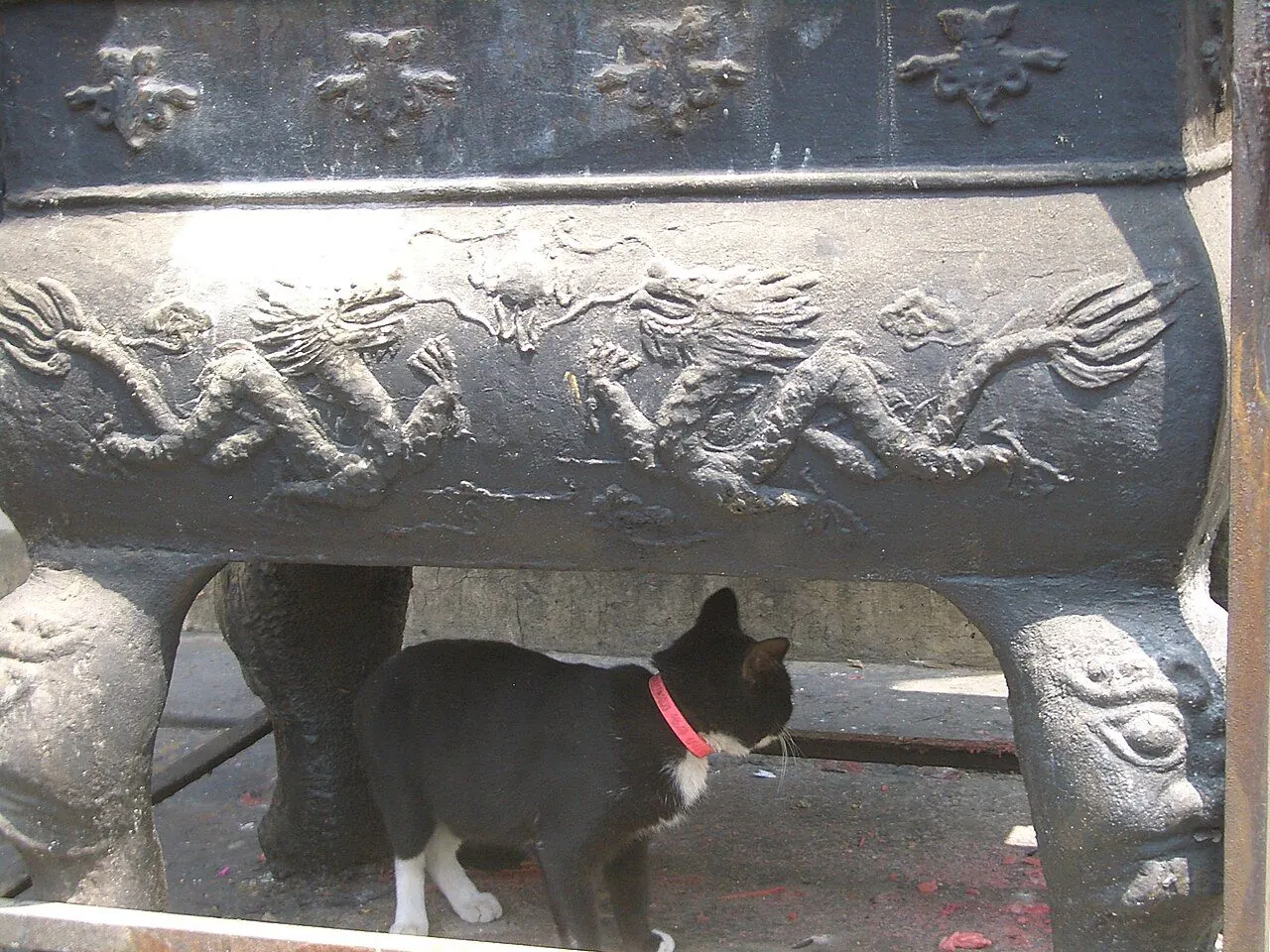
Photo: User:Vmenkov / Wikimedia Commons, CC BY-SA 3.0. Illustrative image.

Partner feature. This article was supplied by a partner and published on doo-nanny.com. It sits outside the editorial sections of the magazine. About partner content.
Incense smoke in a mountain shrine. A toast around a kitchen table. A player taps the same shoe three times before a big game. All these acts seem small. Yet for many people, they feel huge. They feel like a way to invite luck.
This guide explains why people do “rituals of luck,” in holy places and in daily life. It uses clear facts from anthropology, psychology, and history. It shows what these rituals can and cannot do. It also gives simple tips you can use with care.
What do “sacred” and “profane” mean here?
Sacred rituals are acts tied to faith or a holy space. People do them in temples, shrines, churches, mosques, or at holy times. They ask for favor, safety, or a good start.
Profane rituals are not about formal religion. They are daily habits that people repeat for luck or calm. Think of lucky socks, a pre-game routine, or special foods for a new year.
Short answer you can quote: Sacred rituals of luck are religious or spiritually approved acts, like blessings and offerings, used to invite good fortune. Profane rituals are everyday habits, like lucky objects or table customs, used to feel in control when life is uncertain.
Background if you want to read more: the split between “sacred” and “profane” comes from social science, linked to the work of Émile Durkheim. See: Britannica: Sacred and Profane.
Why do luck rituals exist? The uncertainty engine
Rituals grow where risk is high and control feels low. This is a simple human rule. When we cannot control the outcome, we look for a steady act we can control. That act calms us. It makes us feel ready.
Over 100 years ago, anthropologist Bronisław Malinowski saw this in the Trobriand Islands. Fishermen used little magic when they fished in calm lagoons. But they used many rituals when they went out to the wild sea. More risk, more ritual. Source: Britannica: Bronisław Malinowski.
Sports show the same thing. Baseball players repeat special steps or wear “lucky” gear. Anthropologist George Gmelch wrote about this. Players face hard chances and random plays, so they build habits to feel in control. See: Smithsonian Magazine: Why Athletes Are So Superstitious.
Psychology adds more detail. Rituals can lower stress, steady breath and heart, and improve focus. This can lift performance. But note: rituals help your mind and body; they do not change math or physics. Read more: American Psychological Association: The power of rituals and Scientific American: Why Rituals Work. Also see how belief can change feelings: Harvard Health: Placebo effect.
Sacred places: temples, shrines, and blessings
In sacred spaces, luck rituals are part of a full way of life. They are acts of respect, hope, and identity. They link people to family, place, and time.
- Offerings and prayer boards. In Japan, many visitors leave small wooden boards called “ema” at Shinto shrines. They write wishes for health, tests, travel, or work. See background on Shinto here: Britannica: Shinto.
- Pilgrimage to holy sites. People travel to shrines, temples, and graves of saints to ask for help. Pilgrimage is a long, shared ritual. Read more: Britannica: Pilgrimage.
- Blessing of work and tools. In many ports, fishers bless their boats. In some towns this is called the “Blessing of the Fleet.” It marks hope for a safe season. See: Library of Congress: Blessing of the Fleet.
- First fruits and first stones. People bless new homes, first crops, or first day on a job. A leader or elder may say a prayer, pour water, or share bread and salt.
These acts are not “just superstition” to the people who do them. They are deep symbols. They help set a moral frame: who we are, what we value, and how we show care. For a classic view on how ritual shapes order, see the work of Mary Douglas: Britannica: Mary Douglas.
Profane places: kitchens, dining rooms, and the everyday table
“From temple to table” means this: luck talk does not stop at the shrine door. It also lives in food, drink, and home life. Many food customs send hope for long life, wealth, or peace.
- Lunar New Year foods. Many families eat foods with good names and shapes. Long noodles can stand for long life. Fish can stand for “extra” or “surplus.” Read more: Smithsonian Folklife: Lucky Foods for Lunar New Year and Asia Society: New Year Foods.
- Bread and salt welcomes. In parts of Europe, people greet guests with bread and salt. Bread means “may you never be hungry.” Salt means “may life have flavor and last.” See: Britannica: Bread and Salt.
- Avoid bad luck at the table. Some people do not pass salt hand to hand. If salt spills, some toss a pinch over the left shoulder. This is an old ward against “bad luck.” Read a short history: History.com: Throwing Salt.
- Wedding cakes and thresholds. Cutting the cake or carrying someone across a door mark a new start. The acts are small, but the meaning is big: “May this home and bond be sweet and strong.”
Food rituals do more than “bring luck.” They make people sit together, talk, and share. They weave care, hope, and memory into daily life. For context on food as heritage, see UNESCO on Japanese foodways: UNESCO: Washoku.
Thresholds matter: the power of “in-between” time
Many rituals happen at thresholds. A threshold is a change point: New Year, a wedding, a new job, a first home, the first day of a season. Social scientists use the word “liminality” for this in-between state. Things feel open and risky. Old rules pause; new rules start. That is why people add more rituals here. See: Britannica: Liminality.
Modern life: exams, sports, startups, and chance
Today, we still face luck and risk. Think of a student before a test, an athlete before a match, or a founder on launch day. Each might repeat a small set of steps. They might use the same pen, play the same song, or breathe in a set pattern.
Studies show that a short ritual can calm nerves and steady focus. That can help you do your best in tasks that depend on skill. See easy reads here: APA and Scientific American.
But games of chance are not the same as exams or sports. In games of chance, skill has a small or no role. The math of the game sets the long-term result. The “house edge” and random draws decide outcomes over time. For plain guides, see: UK Gambling Commission: How gambling works and Khan Academy: Probability basics.
Also beware of the “gambler’s fallacy.” That is the false idea that a past run of reds means black is now “due.” Each fair spin can still be random. Learn more: Britannica: Gambler’s fallacy.
Luck rituals in gaming and entertainment: belief vs probability
It is fine to enjoy a little ritual when you play a game for fun. Many people have a lucky charm or a small routine. This can be a cue to set a budget, breathe, and enjoy time with friends.
But please keep this clear line: rituals do not change odds. They cannot change the return to player (RTP), the shuffle, or the RNG. They also cannot fix poor service, slow payouts, or weak safety. Careful research can help with those parts.
If you do choose to play, do your homework first. Check the license of the site, the track record, the payout speed, and the tools for safer play. A good, plain guide can help you compare all that. Here is a helpful resource our team keeps up to date: gambling sites guide. It lists rating rules, license checks, and links to help for safer play. Editor’s note: the link above is to our own review resource.
Stay safe and in control:
- Play for fun, not for income.
- Set a budget and time limit before you start.
- Know how variance feels. Long dry spells can happen by chance.
- Read the rules and RTP. Know the house edge.
- Stop if you feel stress, anger, or urge to chase losses.
Need help or advice? Please visit:
- National Council on Problem Gambling (US)
- GamCare (UK)
- BeGambleAware (UK)
Legal note: 18+ only (or your local legal age). Check your local laws before you play.
Ethics, respect, and the mix of old and new
It is easy to joke about rituals. Please do not. For many people, sacred acts are deep and dear. They hold family stories and long history. We should use kind words and show respect.
Also, people mix traditions. This is called “syncretism.” A family may bless a new home with a faith leader and also hang a lucky charm by the door. Culture is not fixed. It adapts. Read more: Britannica: Syncretism.
Practical takeaways: use rituals wisely
- Use simple rituals to calm your mind. A short breath drill, a set warm-up, or a “lucky” pen can cue focus.
- Link the ritual to good prep. Practice, rest, and planning do the heavy lift. The ritual is the start, not the work.
- Keep costs low. Do not buy pricey charms or tools. Meaning matters more than price.
- Use food rituals to bond. Share a meal, say a toast, and tell the story behind the dish.
- Know limits. Rituals do not change math or physics. They cannot move odds in games of chance.
- Be kind to others’ rituals. Do not mock. Ask and learn.
Short FAQs
Do rituals really change outcomes?
Rituals can change how we feel and act. They can lower stress and boost focus. That can help with skills like study or sport. But rituals do not change chance, physics, or the odds in games of chance.
What is the difference between sacred and profane rituals of luck?
Sacred rituals link to faith and holy spaces. They include blessings, offerings, and prayers. Profane rituals are daily habits, like a lucky shirt or a meal for a new start. Both help people feel ready when life is not fully in their control.
Why do athletes and gamblers use so many rituals?
Both face high risk and many random events. Rituals give a sense of order and calm. This can help focus for sports. In gambling, remember: rituals do not change the house edge or random draws. See more on odds here: UKGC: How gambling works.
Are food luck rituals about belief or culture?
Both. Lucky foods carry symbols (like long noodles for long life). They also bring people together. They make a shared meal feel like a fresh start.
Can rituals ever be harmful?
Yes, if they replace real prep, block care, or feed a bad habit. In games of chance, they can hide the truth about odds. Set limits. Ask for help if you feel loss of control. See: NCPG, GamCare, BeGambleAware.
Quick myth vs fact
- Myth: A ritual can force a win. Fact: It can calm you, but it cannot change odds.
- Myth: Rituals are silly. Fact: Many rituals build bonds and give meaning.
- Myth: All rituals are the same. Fact: Sacred and profane rituals work in very different ways and spaces.
If you want to explore more
- Britannica: Sacred and Profane — Background on core terms.
- Britannica: Bronisław Malinowski — Early field work on risk and ritual.
- Smithsonian Magazine: Athlete superstitions — Sports and ritual.
- APA Monitor: The power of rituals — How rituals affect mind and body.
- Scientific American: Why Rituals Work — Simple science explainer.
- Britannica: Liminality — Why thresholds matter.
- Smithsonian Folklife: Lucky New Year foods — Food and hope.
- UNESCO: Washoku — Foodways as heritage.
- UKGC: How gambling works — Odds, RTP, house edge.
- Britannica: Gambler’s fallacy — Why “due” is not real.
- NCPG, GamCare, BeGambleAware — Support and safer play.
Final note
Humans use ritual to face chance with care and meaning. In holy spaces, ritual ties us to faith, place, and time. At home, small acts make meals and moments feel full and safe. In sport and study, a steady routine can calm our nerves. In games of chance, rituals can guide our mood, but not the math. So use rituals with respect. Pair them with real prep, smart plans, and kind hearts.