Partner feature
8 min read
Portraits of Professional Players: Art, Persona, and Myth
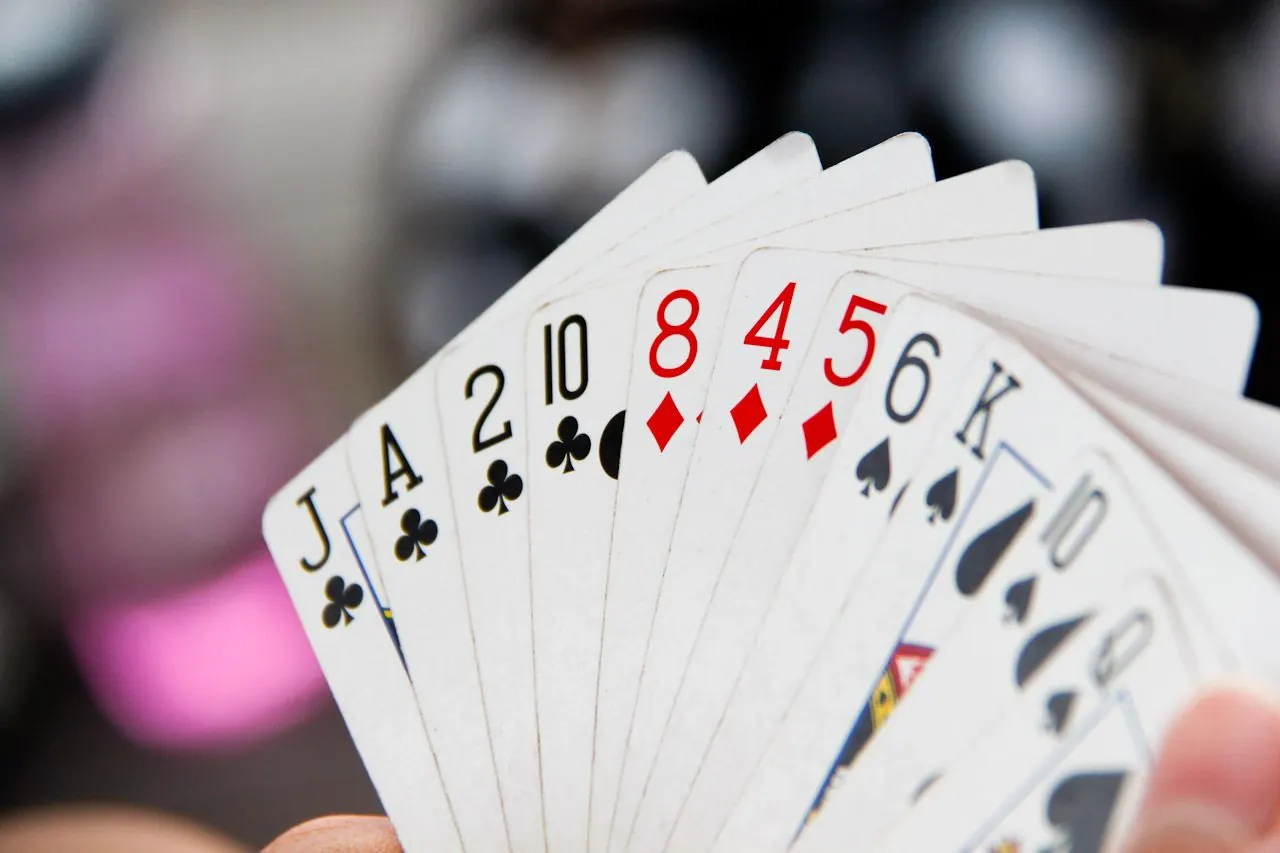
Photo: Jiahui Huang / Wikimedia Commons, CC BY-SA 2.0. Illustrative image.

Partner feature. This article was supplied by a partner and published on doo-nanny.com. It sits outside the editorial sections of the magazine. About partner content.
Byline: Written by Alex Morozov, sports culture editor and portrait photographer. Updated: 2026-05-22.
A face under stadium lights
The tunnel hums. A pro steps out. Noise pours over him like rain. His jaw is still. His eyes fix on a point we cannot see. The lens grazes sweat on his brow, the tiny cut from last week, the strap mark from a headset. In that brief hold, the face becomes a stage. Is this the real person? Or the role he wears to walk through fear? A portrait today does both jobs: shows the face, and shows the act of facing. For a broader view on what a portrait can be now, see what a portrait does now.
Studio notes on performance: pose, light, breath
In the studio, I ask the player to stand the way they rest between plays. Hands low. Shoulders open. We try a pose that feels like their game. The body has a memory, and it leaks truth.
Light is not neutral. A top light makes a cliff of the brow. A soft key sculpts calm. A hard rim cuts like a whistle. Each choice reads as strategy, not just style. How a portrait shapes identity is mapped well in portraiture and identity from MoMA Learning.
We listen to breath. Fast breath tightens the mouth. Slow breath loosens the gaze. I time the frame with their exhale. The mask often slips on the out-breath.
Persona is not the person
Pros carry a public mask. The mask is built from press clips, tunnel walks, and brand shots. It is not fake. It is a tool to manage stress and crowds. In psychology it is the social face we show the world. See the persona in psychology for roots of the term.
Good portraits do a double read. They show the mask as craft, and the human who must hold it up. If we shoot only the mask, we make a poster. If we shoot only the private, we miss why the public self matters.
Myth machines at work
Sport and esports feed on stories that feel ancient: the climb, the fall, the return. Fans want a path they can tell in one breath. Portraits help draw that path in one frame. The arc many know as the hero’s loop still guides a lot of media. For a clear sketch, read about the hero’s journey from the Joseph Campbell Foundation.
Scale adds charge. Esports alone now reaches well over half a billion viewers across the world. That wave pulls more brands, more cameras, more myth. See market context via Newzoo’s view on the global esports audience.
Myth has uses. It gives shape to effort. It also has risks. It can gloss pain, or turn a flawed person into a flat symbol. The portrait can slow that spin and add grain back to the story.
Case file I: The grinder’s light
The grinder is the player who wins by hours. In my notes from a late set, I placed the key light low and warm. The face softened. Hands on cards looked like tools, not tricks. When I took the light high and hard, we lost the years in the skin. It looked like a game, not a job. The first setup felt true.
Props matter. A felt table edge hints at long nights. A small stack of chips says “bankroll,” not “jackpot.” For lineage and names in poker, lean on the WSOP player history. It reminds us these are long careers, not viral clips.
When we show gambling in any frame, we carry a duty. We can mark risk, not just thrill. Safe play rules help guide tone; see the American Gaming Association on responsible gaming standards. A portrait can respect the craft and still be honest about cost.
Sidebar — Where fandom, odds, and images meet
Betting and fantasy talk shape how fans see pros. Odds become part of the story. A camera picks that up: cutaways to hands, to screens, to sponsor boards. It is fine to show that layer, but be clear and fair.
If you follow legal gambling in Sweden and want neutral info, besök Spelport for independent, licensing‑first reviews. This is not a promise of gain. Check your local law. Play only if you are of legal age. Pace your spend. For more on safer habits, the Responsible Gambling Council tracks safer gambling practices.
Anchoring the eye: archetypes you can stage
Archetypes are not boxes. They are lenses. They help art teams, writers, and editors align on mood and risk. Use the table below to plan a shoot, brief a designer, or decode a spread. Check the “Myth risk” cell before you press the shutter. It will save you from cliché.
| The Machine | Calm, repeatable form, data‑led | Futurism, Bauhaus restraint | A high‑volume striker; an esports IGL with huge APM | Top light, tight frame, cool hues, small head tilt | Dehumanizing the subject; hide a smile or quirk to fix | advanced player metrics; open performance data |
| The Trickster | Feints, wit, fast reads | Baroque chiaroscuro (Caravaggist mood) | An elite playmaker; an aggressive poker pro | Sharp contrast, diagonal lines, sly eye line | Romance of risk; add signs of study to balance | WSOP player history |
| The Saint of Grind | Work rate, patience, small gains | Realism, worker portraits | A chess pro deep in prep; a tennis player known for rallies | Soft light, hands, worn gear, long exposure blur | Turning labor into cliché; show rest and family to humanize | long‑form player profiles |
| The Prodigy | Raw skill, young age, bright rise | Romantic youth studies | A 17‑year‑old top laner; a teen sprinter | Cool tone, large props, small figure, open space | Infantilizing; show agency and prep to correct | first‑person player narratives |
| The Strategist | Pattern sense, order, calm | Neoclassical balance | A chess grandmaster; an in‑game shot caller | Frontal light, clean geometry, eye contact | “Cold mind” trope; add warmth with texture or a laugh | portraiture and identity |
| The Heel | Provokes, sells conflict | Pop art mask, media icons | A master trash‑talker; a promo genius | Straight‑on lens, bold color, graphic backdrop | Feeding toxic frames; include code of play to soften | athlete as brand |
| The Return | Comeback, scars, new edge | Renaissance pathos | A veteran after injury; a star back from a slump | Side light on scars, low camera, warm midtones | Melodrama; bring in humor or daily routine | the hero’s journey |
Case file II: The prodigy under pressure
Last spring I shot a young esports star. We kept the room cool and dim. Monitors glowed like small moons. Cables climbed like vines. He sat straight but small in the nest. I asked for his pre‑match ritual. He named it: two songs, one sip of water, one look at the coach. We shot that, not a fake swagger. The frame felt real and kind.
To hear real voices from pros, first‑person essays help a lot. The Players’ Tribune keeps strong first‑person player narratives that add depth to shoots.
When I study angles for a profile, I scan long reads to see what fans already feel. ESPN’s feature desk keeps rich long‑form player profiles. They show rhythm, not just stats. Then I aim to echo that rhythm with light and pace.
Craft interlude: color, lenses, and the feel of myth
Color is mood. Blue cools, red heats, green warns. If a player is “ice,” lean toward cyan and steel. If they burn hot, shift to amber and red. Color theory in art has a long path; see Smarthistory on color in art and meaning for a clean dive.
Lenses steer closeness. A 35mm puts the viewer in the room. An 85mm flatters and calms. Grain adds grit. Clean glass adds polish. None of this is neutral. Pick each tool to match the tale you tell.
Myth vs. market: when branding helps and when it eats
Brand work can boost truth if it funds time and trust. It can harm when it flattens a life to a tag line. Ask: does this logo steal the gaze? Does the pose feel like them? Are we shooting a person, or a product shot?
Sports business now treats many pros as labels with legs. That is not new, but the scale is. For a thought piece on this pull, see HBR’s view of the athlete as brand. Bring that lens to every deck and you will avoid cheap myths.
Numbers and nerves: when data shapes the face
Metrics whisper in the studio. If a guard’s shot chart shows corners, I will let lines in the set point to corners. If a support player’s heat map is central, I center the frame. Stats are not the hero, but they set the frame. For deep hoops data, I scan advanced player metrics. In football, I like open performance data as a check.
Do not turn a person into a graph. Use one number to spark one visual cue. Then step back. Leave room for a sigh, a laugh, a scar.
Field notes: three small lessons
- Let them set one prop. A tape wrap, a worn hoodie, a coin. The thing grounds the scene.
- Count to five after your “last shot.” The best look often lands then, when the show drops.
- Ask for one ritual. Shoot it with care. Rituals reveal persona better than quotes.
Rights, releases, and respect
Get written consent. Credit hair, makeup, and set. If you license images, label the terms. Creative Commons gives a map of common forms; learn the types at CC licenses. When in doubt, ask. When a player says “not this,” stop. Ethics read in the final frame.
Postscript: the look that looks back
Great portraits do a small trick. At first, you look at the pro. Then the look comes back at you. It asks, “What are you here to see?” If your answer feels honest, the portrait is done.
References and further reading
- Tate: what a portrait does now
- MoMA Learning: portraiture and identity
- APA Dictionary: persona in psychology
- Joseph Campbell Foundation: the hero’s journey
- Newzoo Insights: global esports audience
- WSOP: WSOP player history
- American Gaming Association: responsible gaming standards
- Responsible Gambling Council: safer gambling practices
- The Players’ Tribune: first‑person player narratives
- ESPN Features: long‑form player profiles
- Smarthistory: color in art and meaning
- Harvard Business Review: athlete as brand
- Basketball‑Reference: advanced player metrics
- StatsBomb: open performance data
- Creative Commons: CC licenses
About the author
Alex Morozov is a portrait photographer and editor who has profiled athletes and esports teams across Europe since 2014. Work featured in regional sports mags and brand media. Portfolio and contact on request.
Disclosure: This article links to third‑party resources for context. No paid placements. Gambling links are for information only. Please follow local laws and play responsibly.