Partner feature
9 min read
Soundtracks of Fortune: Jazz, Casinos, and the Nightlife Aesthetic
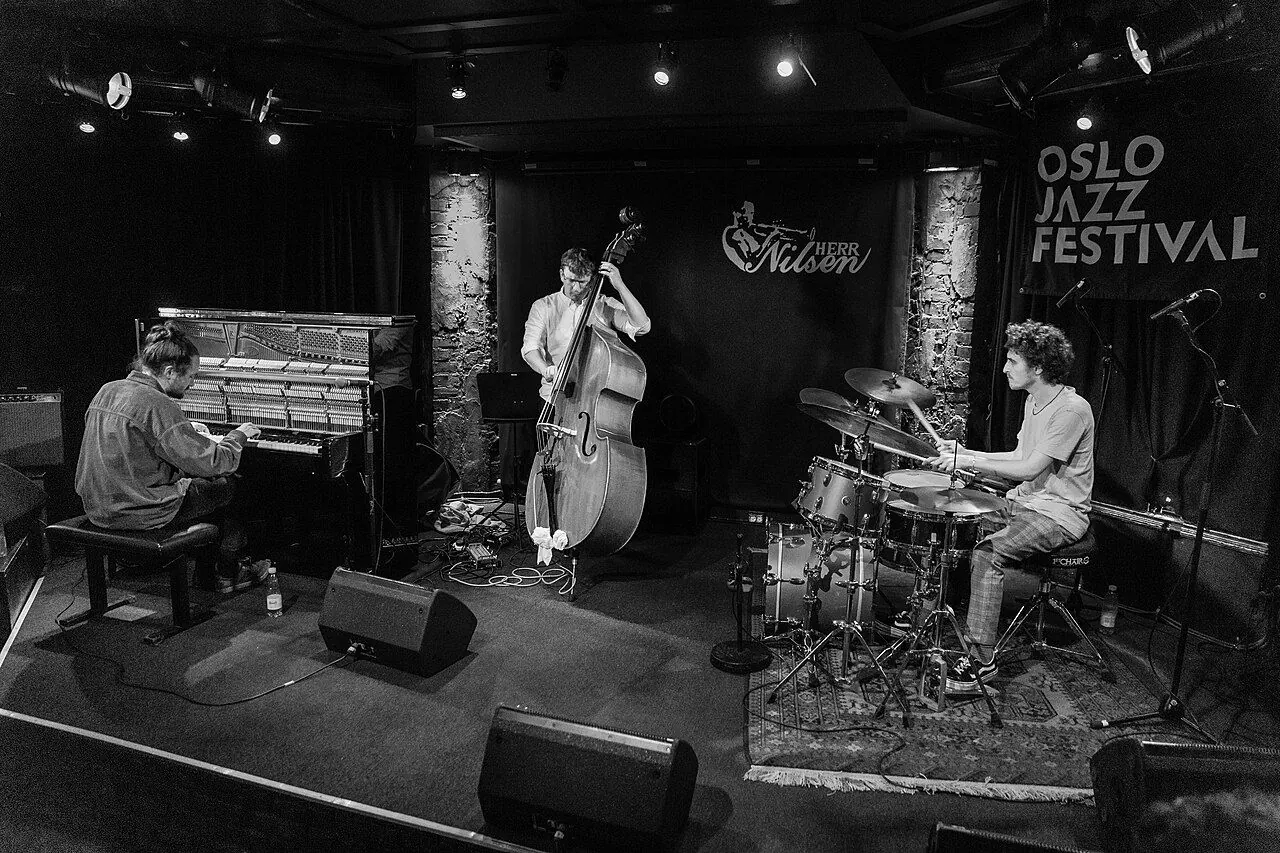
Photo: Tore Sætre / Wikimedia Commons, CC BY-SA 4.0. Illustrative image.

Partner feature. This article was supplied by a partner and published on doo-nanny.com. It sits outside the editorial sections of the magazine. About partner content.
Step into a soft, warm room. Glass clinks. Cards flip. A sax sings low. This is not just music. It is the room’s heartbeat. Jazz makes people slow down, look up, and feel a little bold. Casinos know this. Jazz helps shape the night, the mood, and how long people stay. This guide explains how and why it works, with real history, simple science, and clear tips you can use.
Casino jazz, in simple words: music with swing, smooth rhythm, and rich tone used in casinos and lounges to set a classy, calm, and lucky mood.
Why Jazz and Casinos Belong Together: A Short History
Jazz grew in busy night rooms. In the 1920s, small bands played in secret bars during Prohibition in the U.S. The sound was live, close, and social. People talked, danced, and felt free. That energy moved into hotels and clubs after Prohibition ended.
In the 1950s and 1960s, Las Vegas made this bond famous. The Rat Pack—Frank Sinatra, Dean Martin, and friends—turned lounge shows into a myth of cool. The Sands Hotel’s Copa Room was the place to be. Big band jazz, swing, and smooth crooner songs told guests, “Dress sharp. Stay a while.” You can read about the era and its venues at the UNLV Center for Gaming Research and see historic Sands items at the UNLV Libraries Special Collections.
In Europe, the idea of casino glamour tied in with older high-society rooms. The Casino de Monte-Carlo leaned on class, style, and refined music. It still trades on that image today. See its history and events on the official site of the Casino de Monte-Carlo.
In New Orleans, jazz is the city’s soul. Clubs like Preservation Hall kept the roots alive. Casinos and hotels near the French Quarter learned to blend gaming nights with live jazz culture. The city’s tourism board has helpful guides at NewOrleans.com.
For trusted jazz history facts and context, explore Smithsonian Jazz and the Library of Congress: Jazz on the Screen.
The Science of Soundtracking Luck
Music can guide how people move, choose, and spend time. Research in shops and restaurants gives us clear clues.
- Tempo (speed) can change pace. In classic studies, slower music led people to move slower and often stay longer. See the early work by R. E. Milliman on tempo and shopper behavior (JSTOR).
- Style and mood can change what people pick. A well-known series of studies by Adrian North and David Hargreaves showed music can nudge choice and feeling. A readable overview is in The Psychologist (BPS).
- Volume matters. Too loud can push people away. Too soft can fade into noise. A steady, warm level lets guests talk and feel at ease.
- Familiar songs can relax guests. A classic standard can signal quality and comfort. New jazz can add surprise and edge when the room needs lift.
Casinos translate these lessons into the room plan. Soft swing in the early hours, brighter energy at peak time, then slow, cool tones near last call. Live bands add a special feel. Live music can make a room feel rare and premium, which can help guests stay longer for a full night out.
Curating the Nightlife Aesthetic: Sound, Space, and Style
Good sound is not just the playlist. The room itself shapes the music. Thick curtains, wood, fabric chairs, and soft wall panels soak up harsh echoes. This makes the sax and voice sound warm, not sharp. The Acoustical Society of America shares useful basics on how rooms change sound.
Light helps the sound feel right. Warm light makes brass glow and cuts glare on glossy tables. Good layout puts bands where sight lines are clear, but far enough from the tables so chat stays easy.
Many venues use “sonic branding.” This means using a short sound theme, tone, or style that guests link with the place. Think of it like a logo you hear, not see. Brands do this in ads and apps too. See why sound cues work so well in this NPR explainer on audio branding.
Iconic Jazz Moments in Casino Culture
Film and TV helped lock in the image of jazz and casinos. The 1960 classic Ocean’s 11 showed Vegas cool to the world. The 2001 remake did it again for a new age. You can find film pages at TCM (1960) and Warner Bros. (2001). Martin Scorsese’s Casino (1995) is another strong mood piece; see details on Universal Pictures.
Standards like “Luck Be a Lady,” “Fly Me to the Moon,” and “Night and Day” became lounge signals. You hear them and you see suits, bright bars, and green felt in your mind. For artist timelines and artifacts, check Smithsonian Jazz.
From Lounge to Livestream: Jazz in Modern Casinos and Online Play
Today, the tradition is alive but updated. Some Vegas resort bars still book piano trios and crooners. Others mix DJs with live horns for a fresh swing vibe. Large resorts like Bellagio (MGM Resorts) use music and design to tie luxury rooms, restaurants, and lounges into one feel.
Online spaces also use jazz. Lo-fi jazz and soft beats help many people focus and relax while they play casual games or watch streams. A gentle, steady groove can feel like a “digital lounge.” Brands build curated playlists to carry their identity into that space too.
In all cases, the goal is the same: clear tone, smooth rhythm, and a mood that says, “Enjoy the night. No rush.”
City Spotlights
Las Vegas
Las Vegas blends history and high-tech. You can feel the Rat Pack echoes in vintage photos, while modern resorts use new sound systems and careful acoustic design. There is still space for live jazz, piano bars, and classy lounges next to big clubs. For research on Vegas history, the UNLV Center for Gaming Research is a great starting point.
New Orleans
New Orleans is jazz at the roots. Street horns, small clubs, and proud local bands build the city’s daily soundtrack. Casinos and hotels near the river try to honor that with live sets, brass nights, and heritage themes. Plan visits with the city’s guide at NewOrleans.com and save time for Preservation Hall.
Monte Carlo and Macau
Monte Carlo stands for luxury. Music here leans towards elegance: clean sound, refined sets, and room to speak softly. This is where jazz whispers, not shouts. Learn more at the official site of the Casino de Monte-Carlo.
Macau mixes East and West, old streets and modern mega-resorts. Many venues use gentle lounge jazz at entry and restaurant areas, and brighter music in club zones later at night. For travel info, see the Macao Government Tourism Office.
Building a Jazz-Driven Casino Playlist: A Practical Framework
BPM means “beats per minute.” It is how fast a song feels. Slow songs often sit under 100 BPM. Mid-tempo is about 100–120 BPM. Faster is above that. Here is a simple plan:
- Early evening (Welcome): 90–110 BPM. Warm piano trios, soft vocals, brushed drums. Goal: relax guests.
- Prime time (Energy): 110–130 BPM. Swing, light Latin jazz, nu-jazz with a steady groove. Goal: lift energy without shouting.
- Late night (Cool-down): 70–100 BPM. Spacey trumpet, smooth ballads, soft standards. Goal: close the night gently.
- Volume: Keep talk easy. Guests should not lean in or shout.
- Live sets: Add short live blocks at peaks. Keep quick changeovers. Match keys and tempos so the mood does not break.
- Licensing: Make sure you have the right to play the music. Check rules with your local rights group (for example, ASCAP or BMI in the U.S.).
A Mini-Playlist to Set the Mood
- Frank Sinatra – Luck Be a Lady
- Count Basie – Splanky
- Ella Fitzgerald – Night and Day
- Dave Brubeck – Take Five
- Diana Krall – The Look of Love
- Miles Davis – So What (late night)
- St. Germain – Rose Rouge (nu-jazz lift)
- Parov Stelar – All Night (electro-swing bridge)
- Tom Misch – It Runs Through Me
- Jamie Cullum – All At Sea
Tip: define “house sounds.” Maybe you always open with one classic theme at 6 pm and close with one soft ballad at 1 am. This helps guests remember your place through sound.
Expert Voices: What Pros Watch
- Hospitality sound designers: They balance mood with clear speech. They remove harsh echoes and place speakers so music wraps the room, not blasts it. For room basics, see the Acoustical Society of America.
- Jazz bandleaders: They read the room. If chat grows loud, they shift to a stronger beat. If guests lean in, they soften and slow. They plan sets with smooth key changes and clean endings.
- Venue curators: They weave sound with light and service. They build nightly arcs that match guest flow, from pre-dinner to late drinks.
- Researchers: They test how tempo, genre, and volume change how long people stay and how they feel. See Milliman’s early work on tempo at JSTOR and North & Hargreaves’ overview at The Psychologist.
Responsible Enjoyment and Cultural Respect
Gambling is for adults of legal age only. Set time and money limits. If play stops being fun, stop. For help or advice, see the National Council on Problem Gambling (U.S.), the American Gaming Association: Responsibility, or BeGambleAware (UK). You can also visit GamCare for free support and tools. Please follow your local laws.
Jazz is Black American music. Many of the greats built this art under hard limits and bias. Show respect. Learn the roots. Support live players and local scenes. The Smithsonian Jazz pages are a good place to start.
Where to Explore Quality Casino Experiences and Reviews
If you want clear, human-first reviews, look for guides that check music, live shows, room feel, and safety, not just games. For transparent site reputation notes and plain tips, that link is a helpful place to start. Always read terms, check local rules, and set limits. If a link pays a small fee to the publisher, a clear note should say so.
FAQs
Does music really affect gambling behavior?
Music shapes time and mood. Studies in shops and dining show tempo and style can change how long people stay and how they choose. Casinos apply the same idea with care. See key research via Milliman (JSTOR) and North & Hargreaves (BPS).
What kind of jazz do casinos prefer?
Warm, smooth, and clear styles work best. Piano trios, soft vocals, swing at mid-tempo, and light Latin jazz are common. The goal is classy energy without drowning talk.
Is live jazz still common in Vegas?
Yes, but it varies by venue and night. Some resort lounges keep live sets. Others use DJs with live horns. Check each venue’s calendar. Large resorts like Bellagio share event details on their sites.
What is the difference between lounge jazz and club sets?
Lounge jazz keeps talk clear and sets a smooth mood. Club sets push beat and volume higher for dance and party energy. Some venues blend both over the night.
How do casinos choose music volume and tempo?
They test and listen. Early hours call for gentle, mid-tempo jazz. Peak hours lift speed and groove. Late hours calm down again. Volume should fit easy talk without strain.
Conclusion
Jazz and casinos fit because both play with time, risk, and style. A good soundtrack slows the rush, adds class, and lets the night breathe. History shows how the bond formed. Science shows why it works. Design brings it to life. Use the ideas here to plan a playlist, build a room mood, or pick a venue that feels right for you. Enjoy the music, take care of your limits, and treat the culture with respect.
Sources and further reading: Smithsonian Jazz; Library of Congress: Jazz on the Screen; UNLV Center for Gaming Research; Milliman on tempo (JSTOR); The Psychologist (BPS): Music & consumer behaviour; Acoustical Society of America; AGA: Responsibility; NCPG; BeGambleAware.
Disclaimer: Gambling has risk. Only play if you are of legal age. Set limits and seek help if needed. Some links may point to third-party sites. Please read their terms and privacy policies.