Partner feature
9 min read
Macau’s Cultural Mosaic: Heritage Beyond the Tables
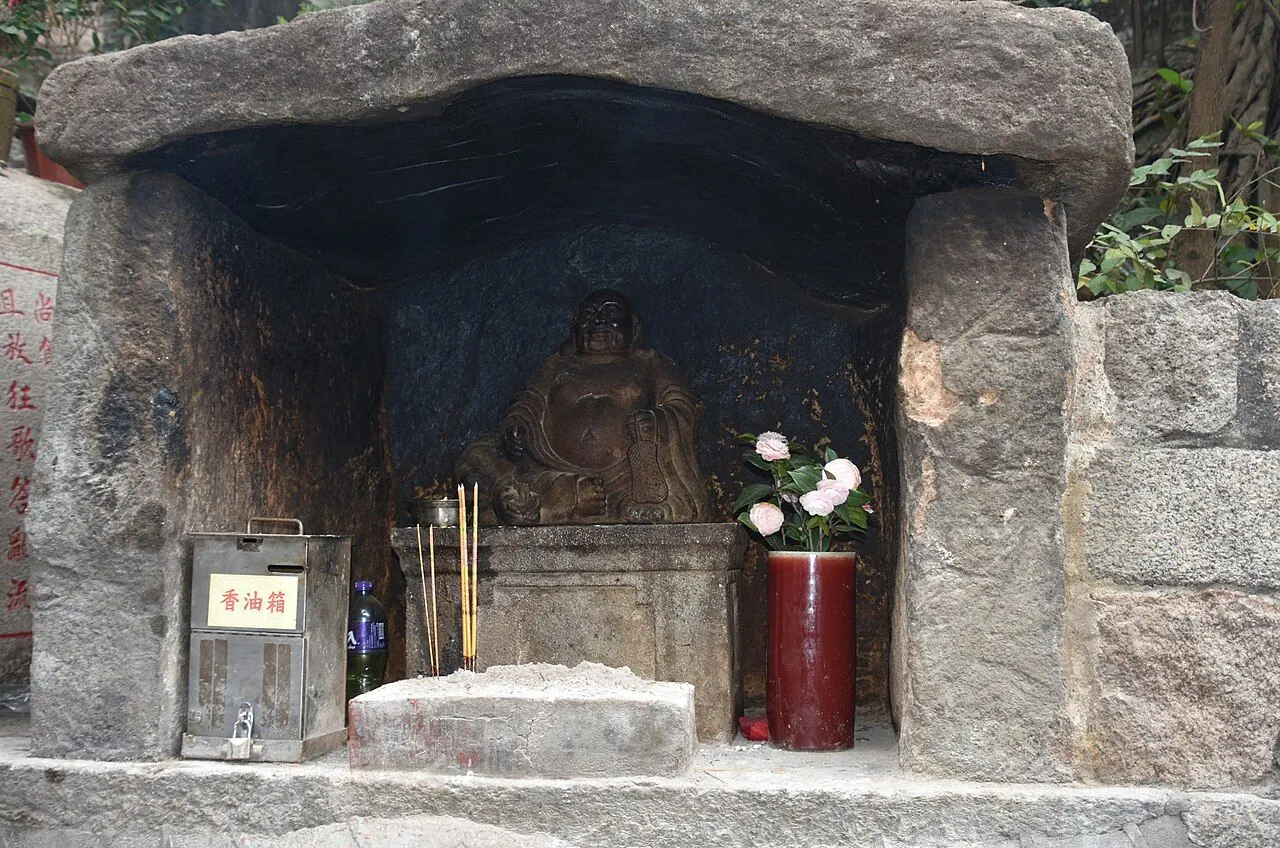
Photo: Richard Mortel / Wikimedia Commons, CC BY 2.0. Illustrative image.

Partner feature. This article was supplied by a partner and published on doo-nanny.com. It sits outside the editorial sections of the magazine. About partner content.
Quick answer: Macau is special because Chinese and Portuguese life mixed here for 400+ years. You see it in the streets, food, faith, and even in the language on signs. This small city holds big culture, not just casinos.
Macau (Macao SAR, China) is tiny, but it shines with color and history. It has old forts, temples full of incense, pastel churches, and tiled squares. It has lively festivals, family recipes, and art in small lanes. This guide shows you how to enjoy Macau’s culture first. It gives simple tips, clear routes, and links to trusted sources so you can plan with ease.
Why Macau’s Heritage Matters Today
Macau was a meeting point for China and Portugal for more than four centuries. In 2005, UNESCO put the Historic Centre of Macao on the World Heritage List. This zone has streets, squares, temples, churches, forts, and houses that show this long story. It is not a theme park. It is a real city where people work, pray, eat, and talk in Cantonese and Portuguese side by side.
You can still feel this mix today. You see Chinese temples next to Baroque churches. You read road signs in two languages. You eat food that uses soy sauce and olive oil in one dish. You watch a dragon dance near a statue of Mary. In this guide, you will learn about famous sites, living festivals, neighborhood walks, and simple, true food. You will also get quick, practical tips to save time and avoid crowds.
The Historic Centre’s Icons: A Walk Through Time
Wear good shoes and bring water. Early morning and late afternoon are the best times. Midday sun can be hard. Most sights are close, so you can walk between them. Here are key stops and easy tips.
Ruins of St. Paul’s and Monte Fort
The facade of St. Paul’s is the famous photo of Macau. It is what is left of a 17th-century church. The stone carvings show East and West symbols together. Go at sunrise or just before sunset to avoid big crowds. Then walk up to Monte Fort for a wide city view. There are shady spots on top. Steps can be steep, so take your time.
A-Ma Temple and Barra
A-Ma Temple is one of the oldest temples in Macau. It honors Mazu, a sea goddess. Light incense with care, keep quiet, and follow locals. The temple sits by the water in Barra. The area has small lanes and seafood spots. It tells the story of Macau as a port. The temple is part of the UNESCO site, so it is well signed. Morning light is soft and calm here.
Senado Square and St. Dominic’s Church
Senado Square has wavy black-and-white stone tiles and pastel buildings. It is great for photos, but it gets busy from 10 a.m. to 5 p.m. Go early. Step into St. Dominic’s Church to see a bright Baroque interior. Look down alleys near the square for snacks, paper shops, and small cafés.
Guia Fortress and Lighthouse
Guia Fortress has the oldest lighthouse on the China coast. There is a light hike to the top. You get breezes and a calm view over the city. There are old tunnels with murals near the hill, which kids like. Bring a hat and water on sunny days.
Mandarin’s House and Lilau Square
Mandarin’s House shows a blend of Chinese Lingnan style and Western ideas. Wood screens, courtyards, and small rooms make cool shade. Check hours, as they can change. Lilau Square is just outside. The fountain here is a nice rest stop.
Practical note: The Macao Government Tourism Office (MGTO) site shows opening times, maps, and routes. Always check there before you go, as hours and access can change.
Living Traditions and Festivals
Macau’s culture is not only in stone. It moves in festivals, costumes, drums, and prayer. Dates can shift with the lunar calendar, so always check the latest event list on MGTO or the Cultural Affairs Bureau (IC).
A-Ma Festival (April/May)
This day honors Mazu. There are offerings, opera stages, and boat rites near A-Ma Temple. Be respectful. Do not block worship paths. Keep voices low. Early arrival gives you the best view.
Drunken Dragon Festival (Lunar date)
This is a bold, noisy event from the fishing guild. Dancers carry a wooden dragon and drink rice wine. It is part of Macau’s Intangible Cultural Heritage. Learn more on the IC list of living culture: Intangible Heritage of Macao. Stand at street corners for the best angles and space.
Procession of Our Lady of Fatima (May)
A calm, moving walk with prayers and hymns. It shows the Catholic roots that still live in Macau. Dress modestly and give way to the procession. Late afternoon light makes beautiful photos.
Dragon Boat Festival and Mid-Autumn
Dragon Boat races bring teams, drums, and cheers to the water. Mid-Autumn brings lanterns and mooncakes in parks. Check dates on MGTO’s events page. Arrive early for a good spot near the water or a park gate.
Macanese Cuisine: A True Fusion Table
Macanese food is not the same as Cantonese or Portuguese food. It mixes both and also brings in spices from old sea routes, like cinnamon and curry. Dishes are warm and homey. They taste like family kitchens.
Dishes to Try
- Minchi: ground meat, diced potatoes, onions, soy sauce, and sometimes Worcestershire. Sweet and salty. Comfort in a bowl.
- African chicken: grilled or baked chicken with a mild chili-peanut sauce. Not from Africa, but from Macanese cooks.
- Tacho: a rich stew with meats and cabbage. Great on cool days.
- Caldo verde: a soft green soup with potato and kale, from Portugal but loved here.
- Serradura (sawdust pudding): cream and biscuit crumbs. Simple and sweet.
Where to Explore
- Taipa Village: small lanes, cafés, and family spots to try minchi and serradura.
- Red Market area: fresh produce and local snacks around it. Good for food photos and small bites.
- Coloane Village: sea breeze, calm streets, and famous egg tarts. Mornings are best before lines grow.
Book tables for dinner on weekends. Bring cash for small places. Many places accept cards, but not all.
Neighborhoods Beyond Cotai
Leave the big resort zone and walk in old streets. You will see daily life and art.
Taipa Village
Taipa has the Taipa Houses–Museum, green-and-white homes by a lake. It also has street art, small museums, and many cafés. It is great in late afternoon and evening when lights come on. More info on the MGTO page for Taipa Houses: Taipa Houses–Museum.
Coloane
Coloane is calm and green. Walk in Coloane Village, see small temples, eat by the water, and visit Hac Sa Beach for a black-sand shoreline. There are easy trails in the hills. Buses go here often; rides take 20–40 minutes from the city.
St. Lazarus District
This area has indie galleries, murals, and craft studios. Streets are narrow and pretty. It is good for slow walks and photos. Look for small signs on doors. Many studios are up one floor, so check hours online.
Museums and Cultural Spaces
- Macao Museum: a clear story of Macau from past to now. Good for kids. See official info: Macao Museum.
- Maritime Museum: models, maps, and sea stories by A-Ma Temple. MGTO has details: Maritime Museum.
- Taipa Houses–Museum: life and home style from old days in Taipa. See: Taipa Houses–Museum.
- Cinematheque・Passion: small cinema and film hub for local and art films. Check the schedule: Cinematheque・Passion.
- Macau Design Centre: shops and shows by local designers. See news and hours: Macau Design Centre.
Pair each museum with a nearby walk and café. This keeps the day light and fun.
Language, Faith, and Identity
Macau has two official languages: Chinese (Cantonese) and Portuguese. You will see both on signs. Some locals also keep Patuá, a creole, alive in plays and songs. Many families visit both temples and churches. This mix is normal here. Read about living culture on the IC site: Intangible Heritage of Macao.
24–48 Hours in Macau: A Non‑Gaming Cultural Itinerary
Day 1 (Historic core):
- Sunrise at Ruins of St. Paul’s, then walk up to Monte Fort.
- Breakfast near Senado Square. Try a local bun and milk tea.
- Visit St. Dominic’s Church and side lanes. Quick snack stop.
- Taxi or bus to A-Ma Temple. Quiet time by the incense coils.
- Lunch in Barra. Try seafood or a Macanese set lunch.
- Late afternoon at Guia Fortress. Sunset view over the city.
- Dinner near St. Lazarus. Explore art spots after.
Day 2 (Taipa + Coloane):
- Morning walk in Taipa Village. Visit Taipa Houses–Museum.
- Lunch in Taipa. Order minchi or African chicken.
- Bus to Coloane. Stroll the village, visit a temple, enjoy egg tarts.
- Late day at Hac Sa Beach or a short hill walk.
- Back to town for a Macanese dinner and dessert.
Time-saver tips: Use buses for longer hops; pay with cash or IC cards if you have one. For walking, pick shaded streets at midday. Check event times on MGTO before you go.
Where Gaming Fits In Macau’s Story—And How to Keep Culture First
Yes, gaming is a big part of Macau’s economy. But many large resorts now add shows, museums, and family spaces. If you plan to stay in an integrated resort, choose one with strong non‑gaming features. Look for live arts, good galleries, and food from local chefs.
Want to compare resorts by their non‑gaming perks in a clear, simple way? See reviews at https://bonanza-slot.com/. The focus is on easy facts you can use, like show options, transport links, and family areas. Disclosure: sponsored links may appear; reviews aim to stay fair and clear.
Practicalities and Respectful Travel
- Money: The local currency is MOP. Hong Kong dollars (HKD) are widely accepted at 1:1 in most shops. Keep small bills for buses and small bites.
- Weather: Spring and autumn are best. Summer is hot and wet. Check the weather at the Macao Meteorology service: SMG.
- Transport: Macau is walkable in the centre. Buses reach Taipa and Coloane. For timetables and routes, see the Transport Bureau: DSAT.
- Religion sites: Dress modestly in temples and churches. Speak softly. Do not touch altar items. Follow photo signs.
- Crowds: Go early to major sites. Take breaks in small squares and side streets.
- Safety: Macau is generally safe. Keep an eye on your bag in busy spots.
- Access: Many old sites have steps. Check access details on MGTO pages before you visit.
FAQs
Is Macau only about casinos?
No. The UNESCO-listed Historic Centre, living festivals, and family food are the heart of the city. You can spend two days here and never step into a casino and still feel full and happy.
What is unique about Macanese cuisine?
It blends Cantonese and Portuguese cooking. It uses soy sauce, olive oil, and spices like cinnamon in one plate. Dishes like minchi and African chicken show this mix in a simple, tasty way.
How many UNESCO sites are there in the Historic Centre?
The Historic Centre is one World Heritage property with many places inside it, like temples, churches, squares, and forts. See the full list on UNESCO’s page: Historic Centre of Macao.
Is English widely spoken?
Cantonese and Portuguese are the official languages. In tourist zones, many people speak some English. Simple words and friendly body language help a lot.
What’s the best month for cultural festivals?
It depends on the lunar calendar. April to June often has the A-Ma Festival, the Drunken Dragon, and Dragon Boat races. Always check current dates on MGTO and IC.
Sources and Further Reading
- UNESCO World Heritage: Historic Centre of Macao
- Macao Government Tourism Office: Official tourism site
- Cultural Affairs Bureau (IC): Museums, events, heritage
- Intangible Cultural Heritage of Macao: Official list
- Macao Museum: Official site
- Maritime Museum (via MGTO): Museum info
- Taipa Houses–Museum (via MGTO): Museum info
- Macao SAR Government Portal: General info and services
- Macao Meteorological and Geophysical Bureau: Weather
- Transport Bureau (DSAT): Bus routes and tips
About the author
Written by a culture-focused travel editor who has worked with Asia experts and museum teams. This guide uses official sources and practical planning tips. It is checked for clear language and current facts. Last updated: 2026-01-09.