Partner feature
9 min read
Indigenous Games of Chance: Heritage, Ritual, and Representation
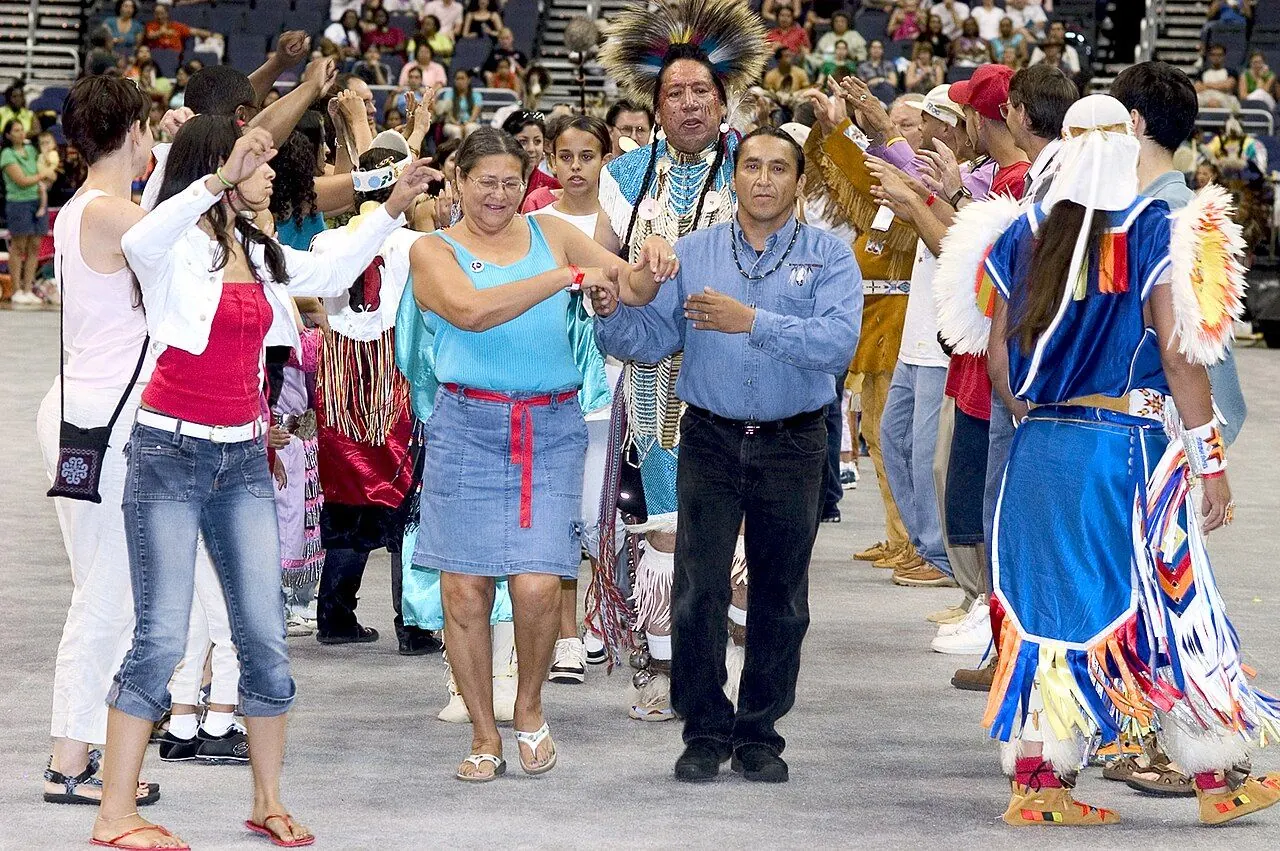
Photo: Smithsonian Institution / Wikimedia Commons, No restrictions. Illustrative image.

Partner feature. This article was supplied by a partner and published on doo-nanny.com. It sits outside the editorial sections of the magazine. About partner content.
Indigenous games of chance are old and rich. They do use luck, but they are not only about winning things. These games bring people together. They can be part of songs, stories, trade, and even peace talks. In this article, we look at what these games are, why they matter, how they are shown in books and museums, and how they live on today. We also explain how they differ from modern gambling. We use simple words and trusted sources so you can learn with care and respect.
What do we mean by “games of chance” in Indigenous contexts?
In simple words, a game of chance is a game where luck plays a big part. You do not fully control the outcome. But in many Indigenous cultures, luck and skill mix. A song can guide the team. A hand sign can trick the other side. Rules can be tied to seasons, clans, or events. In some places, a game can be part of a ceremony or a social deal.
There is no single “Indigenous” way. Each people has its own games, rules, tools, and songs. Please do not treat one example as the same for all. When we name a game here, we also try to name the peoples or regions where it comes from. For a broad view of traditional games in North America, you can browse the Smithsonian and museum sources (for example, the classic but dated study by Stewart Culin at the Smithsonian Contributions to Anthropology: PDF, and the National Museum of the American Indian: NMAI).
Why they matter: ritual, reciprocity, and community
These games are not only for fun. Many have roles in life events and community bonds. Some help share goods in a fair way. Some help settle small disputes. Some bring families and friends together after long travel. Some are part of healing or mourning. When people play, there can be song, humor, and respect.
In many places, the key idea is reciprocity. This means “I give, you give, we balance.” People may wager blankets, beads, tools, or food, not to get rich, but to move goods between families. This can help those in need and build care. It is not the same goal as modern profit. Museums like the Canadian Museum of History and the Royal BC Museum share how these values shape games across regions.
Case studies: games, meanings, and materials
Slahal (Bone Game), Pacific Northwest
Slahal (also called the bone game or stick game) is played by many First Nations and Tribes in the Pacific Northwest and Plateau. Peoples include Coast Salish, Nlaka’pamux, Nimiipuu (Nez Perce), and others. Teams face each other. One side hides a small marked bone in one hand and an unmarked bone in the other. The other side must guess where the marked one is. Sticks are used to keep score. Songs give power and lift team spirit. Drums set the pace. Hand signs and body moves are part of the bluff.
Stakes can be small gifts or larger items, depending on the event and local rules. Some gatherings hold tournaments. You can read museum notes for context from the Royal BC Museum and the National Museum of the American Indian. Please note: some songs, stories, or images are not for public use. Always ask for consent if you wish to film or share.
The Moccasin Game, Great Lakes and Plains
The moccasin game is common among Anishinaabe/Ojibwe and other Nations in the Great Lakes and Plains. A small item (like a bone or token) is hidden under one of several moccasins or bundles. The other team must guess where it is. There is a lively mood, with teasing, drum, and play. People may wager goods, but the goal is social joy and ties between families.
For community views, see pages by Indigenous groups such as the Mille Lacs Band of Ojibwe. They host and teach the game to youth at events. These programs show how games pass on language and values.
Patolli, Nahua/Aztec Mesoamerica
Patolli was a major board game in central Mexico in Aztec times. Players used beans marked like dice. They moved pieces around a cross-shaped board. Wagers could include mantles (cloth), precious items, and food. The game had ritual links and social rules. Spanish colonial rule pushed it down, but records remain in codices and reports. Today, scholars study the rules and meaning. For academic context, see journals like Ancient Mesoamerica.
Patolli shows how chance, number, and social rank could meet in one space. It was not just “play.” It was part of a whole world of order, time, and duty.
Chunkey, Mississippian and Southeastern traditions
Chunkey was played across Mississippian cultures and later in parts of the Southeast. A player rolled a round stone across a field. Others threw spears or sticks to land near the moving stone. People often bet on the throws. The game could draw large crowds. It had a public and even political side. Leaders could show skill and win favor. For site context and artifacts, see the Cahokia Mounds State Historic Site, one of the key Mississippian centers.
Chunkey reminds us that a game can be part sport, part ceremony, and part theater. It could shape how people saw status and luck in public life.
Arctic and Subarctic dice and knucklebone games (select notes)
In Arctic and Subarctic regions, some groups played chance games with carved bones or small dice, often in winter. These games fit long dark seasons and tight community life. Rules and tools vary. As with all examples here, learn from reliable, local sources. Check museums and cultural centers for each Nation’s own guidance, such as exhibits and lesson plans from the Field Museum or the NMAI. Do not assume one set of rules for all.
Beyond the game: representation in museums, scholarship, and media
Early writers, like Stewart Culin in the late 1800s, tried to list and sort many games. His work is useful but must be read with care. It came from a time when outsiders often spoke over Indigenous voices. Today, more museums and schools work with communities to tell their own game stories and to set rules on what can be shared. You can see this shift in programs at the National Museum of the American Indian, the Royal BC Museum, and the Canadian Museum of History.
Films and TV can also show these games, but they can be wrong. They may cut out the songs or reasons that make a game matter. A good rule is to ask: Does this show name the Nation? Does it explain consent for images and songs? Does it give proper context? For broader ethics in museums, see the ICOM Code of Ethics. For Indigenous rights in culture, see the UN Declaration on the Rights of Indigenous Peoples.
Contemporary revitalization and public events
Many communities teach these games to youth today. Schools, language camps, and festivals use them to pass on words, songs, and values. Tournaments bring elders and kids together. University clubs sometimes host open nights, with clear rules and consent. These events show that culture is alive, not just in books. For news, check community and tribal pages like the Mille Lacs Band of Ojibwe or national groups like the NMAI.
When you visit, ask before taking photos or videos. Some parts of a game, like a prayer or a song, may be private. Ask who can join in, and who cannot. Respect the rules of the host Nation.
Modern gambling vs. traditional games: key differences and overlaps
Modern gambling and these old games both use chance. But their goals and frames are not the same. Traditional games often move goods to balance needs and build bonds. They can be part of ceremony or healing. They follow community rules and duties. Modern gambling is a business. It is regulated by state or tribal law. It aims for profit. It can be risky for health if not done with care.
There are also overlaps. Some modern casinos are run by Tribes under laws like the U.S. Indian Gaming Regulatory Act (see the National Indian Gaming Commission). These operations can fund schools, clinics, roads, and culture programs. Still, they are not the same as a Slahal circle or a moccasin game at a family event. Please do not mix them up.
Responsible gambling: Modern commercial gambling carries real money and health risks. If you choose to gamble, do it legally and set limits. Help is available: U.S. National Council on Problem Gambling ncpgambling.org; UK BeGambleAware begambleaware.org; Canada Responsible Gambling Council responsiblegambling.org. In an emergency, contact local hotlines in your area.
Further resources (modern markets): If you study today’s regulated betting markets and consumer rules, you can compare betting sites. Note: this resource covers modern commercial gambling only. It is separate from the cultural games in this article. 18+ only. Check your local laws. This is a sponsored link.
Legal and ethical considerations
Laws differ by place. In the U.S., tribal gaming is under federal and tribal rules (see the NIGC). In Canada, provinces and First Nations have their own frameworks. Many countries have their own rules too. Traditional games at a cultural event may be under community law or protocol, not state gambling law.
Ethics matter. Some knowledge is not public. Do not record or post sacred songs, prayers, or private rules. Ask to use images. If you plan to host a demo, work with the Nation and get consent. For rights and care in research and data, see the CARE Principles. For Indigenous-led control in Canada, see the OCAP Principles. For legal help on sovereignty, see the Native American Rights Fund.
How we reported this (method and care)
We built this guide from trusted sources: museum collections, academic journals, and community pages. We name the peoples and regions when we can. We avoid pan-Indigenous claims. We also avoid sharing sacred details. When we are not sure, we say so and point to community sources. We invite feedback from community members for updates and corrections. If you spot an error, please reach out so we can fix it with care.
FAQs
Are Indigenous games of chance the same as gambling?
No. These games can include wagers, but they often serve community goals like sharing, healing, or peace. Modern gambling is a commercial service with a profit aim and strict rules by states or tribes.
What is Slahal and why is it important?
Slahal is a team guessing game with bones, songs, and drums in the Pacific Northwest. It builds unity, joy, and balance. It can also be part of larger gatherings and ceremonies. See museum context at the NMAI.
Did colonial powers ban these games?
In many places, yes. Colonial rule limited or banned games, songs, and gatherings. Some games went quiet or changed. Still, many lived on through families. Today, many are being taught again. For history and policy context, browse the Canadian Museum of History and NMAI.
Can visitors take part?
Sometimes yes, with permission. Always ask the host Nation or event guide. Follow local rules. Do not record or post without consent. Some parts are not for guests. Respect a “no” if that is the answer.
Where can I learn more?
Start with museum and academic links below. Then look at tribal cultural pages for local guidance. Ask your library to help you find print books by Indigenous authors and curators.
References and further reading
- Stewart Culin, Games of the North American Indians (Smithsonian Contributions to Anthropology): PDF
- National Museum of the American Indian (Smithsonian): americanindian.si.edu
- Royal BC Museum (collections and stories): royalbcmuseum.bc.ca
- Canadian Museum of History: historymuseum.ca
- Cahokia Mounds State Historic Site (Mississippian context): cahokiamounds.org
- Mille Lacs Band of Ojibwe (community resources): millelacsband.com
- Ancient Mesoamerica (journal): cambridge.org/core/journals/ancient-mesoamerica
- Society for American Archaeology – American Antiquity: saa.org/publications/american-antiquity
- International Council of Museums – Code of Ethics: icom.museum
- UN Declaration on the Rights of Indigenous Peoples: un.org
- CARE Principles for Indigenous Data Governance: gida-global.org
- OCAP Principles (First Nations): fnigc.ca
- National Indian Gaming Commission (U.S.): nigc.gov
- National Council on Problem Gambling (U.S.): ncpgambling.org
- BeGambleAware (UK): begambleaware.org
- Responsible Gambling Council (Canada): responsiblegambling.org
Cultural care and permissions
Note: Some knowledge lives with families and elders and is not for public sharing. If you plan to teach, post, or film any game, first ask the host Nation. Follow their guidance. When in doubt, leave it out. Respect is the base rule.