Partner feature
10 min read
Poker Faces: Portraiture, Psychology, and the Theater of Bluff
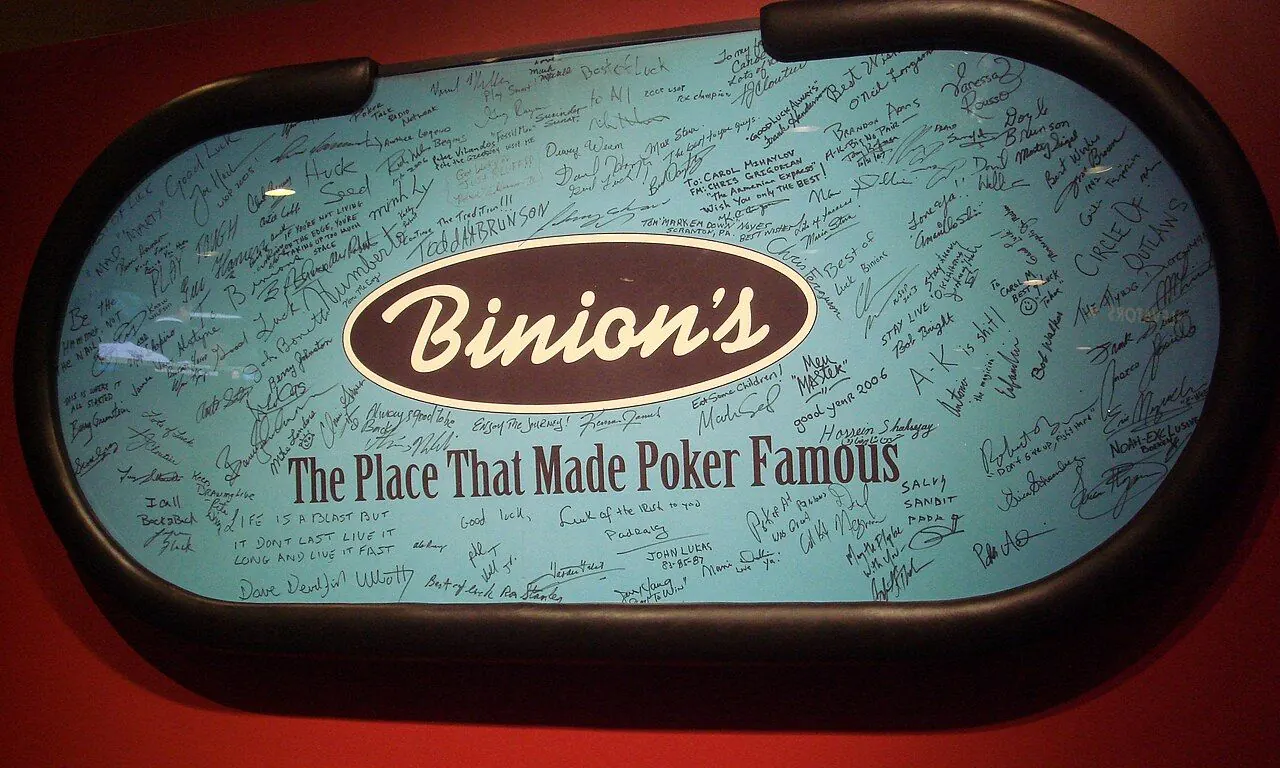
Photo: Bobak Ha'Eri / Wikimedia Commons, CC BY 3.0. Illustrative image.

Partner feature. This article was supplied by a partner and published on doo-nanny.com. It sits outside the editorial sections of the magazine. About partner content.
A poker face is more than a blank look. It is a mask, a message, and a story under pressure. Photographers try to show it. Psychologists test it. Players train it. This piece joins three worlds: portraits, mind science, and the drama of bluff. We keep the claims clear and honest. We use what research supports, what art can show, and what play at the table teaches.
Why Poker Faces Captivate Us: From Canvas to Card Table
The myth and reality of a “stone face”
People think a perfect poker face shows nothing. In truth, a face always shows something. It may show control. It may show focus. It may show calm. But small signs can still slip. Muscles move. Eyes blink. Breath changes. A “stone face” is not magic. It is trained emotion control plus a steady body. The goal is not zero feeling. The goal is to keep feeling from leaking into your choices.
Poker in art, film, and popular culture
Portrait art has long tried to catch a private self in a public mask. In a portrait, light, pose, and timing hint at the person inside. That is why poker faces fit so well in photos and film. They are public masks over private risk. For context on portraits as an art form, see the Tate’s short guide to portraiture (Tate). For the game’s roots and culture, see Encyclopedia Britannica on poker history (Britannica).
The Psychology Behind the Poker Face
Emotion regulation and microexpressions
Emotion regulation means you notice a feeling and guide your response to it. It is a skill. You can learn it. The American Psychological Association gives a simple overview here (APA). Players use slow breath, short breaks, and simple focus cues. These tools can lower stress and keep the face steady.
Microexpressions are very fast facial moves. Some experts link them to hidden feelings. Paul Ekman’s work is the classic source (Paul Ekman). But most people do not spot these tiny moves well in real time. And even if they do, the meaning is not always clear. A twitch can mean stress, not a lie. It can mean a bad back, not a bluff. So be careful with big claims.
Cognitive load, stress, and tells
When you hold a lie, your brain works harder. This extra work is called cognitive load. High load plus stress can cause “leaks”: a shaky hand, a tight jaw, odd timing. But this is not a sure read. People also show these signs when they are tired, cold, or excited. See APA writing on lie detection limits (APA) and a classic meta-study on low accuracy in reading lies (Bond & DePaulo, 2006). The lesson: be humble. Look for patterns across time, not one odd move.
Signaling and bluffing in game theory
Bluffing is a form of signaling. You send a sign about your strength. The sign can be true or false. Good signals have a “cost” that makes them hard to fake. This idea comes from signaling theory. For background, see the Nobel Prize page on Michael Spence (Nobel Prize) and the Stanford Encyclopedia of Philosophy on game theory (Stanford Encyclopedia). Classic roots are in von Neumann and Morgenstern (Britannica). In poker, a bet size, a pause, or a seat choice can act like a signal. Strong players plan these signs as part of a story, not as random moves.
Portraiture of Deception: How Photographers Render the Unreadable
Light, angle, and lens choice for ambiguity
Portraits can suggest mystery without saying “this person lies.” Low-key light with shadows adds doubt. A side light can split the face: part seen, part hidden. A longer lens flattens space and feels calm. A wider lens adds tension. For a clear primer on light and perspective, see Cambridge in Colour (Cambridge in Colour) and a simple guide to Rembrandt lighting (Wikipedia).
Timing: micro-moments between control and slip
Great portrait timing often sits between poses. The mouth is about to smile but does not. The eye shifts left, then holds. These “between” moments feel honest because control and slip meet. This idea links to Henri Cartier-Bresson’s “decisive moment” in photo history (MoMA). In poker portraits, wait right after a bet, or right before chips move. The body often resets then.
Case notes: how editorial portraits suggest tension
Editors often ask for a strong but neutral look. Try a still head, soft breath out, eyes to camera, shoulders down. Ask the subject to think of a steady scene, like a lake. Then add a small break in the mask: a slight brow lift, a half turn of the chin. This hint of change suggests a mind at work. For broader portrait craft, Magnum’s advice is simple and direct (Magnum Photos).
Body Language and Behavioral Cues: What the Evidence Actually Says
Reliable vs. unreliable tells
Movies make tells look easy. Real life is not. One cue is not proof. A better path is a baseline. Watch a player when the pot is small. Note their normal breath, blink, chip touch, and talk speed. Now, in a big pot, if two or more things change at once, maybe it matters. But even then, treat it as one piece of a larger story. Research shows people are not very good at reading lies from body language alone (APA; Bond & DePaulo).
Cultural and individual variability
Culture shapes how we show and hide feelings. Some groups smile to cover stress. Others look serious to show respect. Even within a group, people differ. So be careful with “universal” claims. See APA’s overview on culture and emotion (APA). Also note: newer research debates how “universal” facial signs are (PNAS). This means you should learn the person, not just the pose.
Online poker “tells”: timing, bet sizing, rhythm
Online, faces vanish, but rhythm stays. Look at action time, bet size paths, and how fast a player reacts when the plan changes. Quick calls can mean auto-decisions. Long tanks can mean split choices. But again, treat each sign as weak on its own. Your best tool is data over time. Keep notes. Build profiles. Update them as the game shifts.
Building Your Own Poker Face — Ethically
Attention, breath, and neutral baselines
A calm face starts with a calm body. Try this simple drill, five minutes a day:
- Sit tall. Feet flat. Hands still.
- Inhale for four counts. Exhale for six counts. Do ten rounds.
- Pick a neutral point to rest your eyes (top of chips or felt logo).
- Relax jaw and brow. Keep lips gently closed.
- Practice speaking in a low, even tone when asked a simple table question.
These steps lower stress and make a steady “baseline.” Baselines matter more than tricks.
Rituals, clothing, and self-presentation
Small rituals help focus. Stack chips the same way. Place cards the same way. Wear clothes that feel normal and warm. Cold hands shake. Bright lights glare. Tools like hats or glasses can be fine if the venue allows them. Keep it fair and within the rules.
When to break the mask strategically
A perfect mask can look fake. At times, a small break in the mask helps your story. A planned sigh when you bet big can sell “tired call mode.” A short smile in a small pot can reset table mood. Use these moves with care. Do not angle. Do not stall. Respect the game and the people.
The Theater of Bluff: Table Dynamics and Storytelling
Narrative consistency in betting lines
Poker hands are short stories. Your bet sizes, your pace, and your table talk must match the hand you claim to have. If you say “weak” but bet big, your story breaks. If your story has clear steps street by street, it sells better. Keep it simple. Keep it the same across hands when you can. Simple, sane stories get respect and folds.
Stacks, seating, and stagecraft
Stacks and seats act like a stage set. A big stack can “play bully,” but that plan must match your image. The button seat has power; your lines should show that. Your chip stacks, card hold, and bet motion all add to the “show.” Make them neat and calm. Avoid messy grabs or splash bets. Good stagecraft builds trust. Trust makes future bluffs work better.
Iconic bluffs: what portraits reveal in hindsight
Think of the 2003 boom and the bold bluffs that followed. Photos from those eras show a mix of calm eyes and tight mouths. They show the mask and the person under it. For a sense of modern poker history, see the World Series of Poker news archive (WSOP) and ESPN’s coverage pages (ESPN). Look at the portraits. You can feel the strain and the craft at once.
Collecting and Curating Poker Portraits
For photographers: consent, releases, editorial ethics
Live rooms have rules. Some do not allow photos. Some allow press only. Always ask. If your portrait is for use beyond news, get a model release. The American Society of Media Photographers has a clear primer (ASMP). If you work as a photojournalist, follow the NPPA Code of Ethics (NPPA): be honest, do not stage news, respect privacy.
For editors and brands: rights, captions, and context
Keep rights clear. Label edits. Captions should state place, date, and any limits on what the scene shows. Add context so readers do not over-read a face. A neutral look is not proof of guilt, fear, or deceit. It may be focus. It may be rest. The more honest your frame, the more trust you build with your audience.
Body and Mind Tools You Can Train
Here is a short plan you can use for four weeks. Keep it simple. Track results in a small notebook.
- Week 1: Breath and posture. Ten minutes a day. Note how your face feels after.
- Week 2: Eye focus and blink rate. Practice steady gaze on a point for 30–60 seconds. Rest. Repeat.
- Week 3: Voice. Read a short text out loud in a low, even pace. Record it. Aim for calm, not flat.
- Week 4: Table drills. Play with friends. Ask them to try to read you. Get feedback. Adjust.
Do not chase “perfect.” Aim for steady and kind. People remember how you act, not just how you look.
Resources and Further Reading
- Paul Ekman on basic emotions and microexpressions: paulekman.com
- American Psychological Association on emotion regulation: apa.org
- Bond & DePaulo (2006) meta-analysis on lie detection accuracy: SAGE Journals
- Daniel Kahneman on decision making (profile): Princeton
- Erving Goffman on self-presentation: Britannica
- Signaling theory overview: Nobel Prize; game theory background: Stanford Encyclopedia
- Portrait craft guides: Cambridge in Colour; Magnum Photos
- Culture and emotion: APA; debate on universals: PNAS
- Maria Konnikova, The Biggest Bluff (book site): mariakonnikova.com
Editor’s note: If you research where to play with small, careful deposits, you can review minimum deposit options that list room reputation, terms, and safety checks. Always follow local laws. Set firm limits. Take breaks. Help is available if play stops being fun (see below).
FAQs
Do poker tells actually exist?
Some do, but they are weak on their own. One cue means little. Patterns over time matter more. Start with a baseline. Look for two or more changes in big spots. Even then, trust math and position first, not a twitch.
Can you train a reliable poker face?
You can train better control. Breath, posture, and steady routines help. You can also plan how you act in tough spots. No face is perfect, and that is fine. The goal is to act the same with strong and weak hands in key moments.
Is wearing sunglasses ethical at the table?
It depends on house rules. Many rooms allow them. They can cut eye tells, but do not abuse them. Do not stall. Do not hide cards. Be polite. If the room bans them, follow the rule.
Are microexpressions readable in real time?
Most people cannot read them well under pressure. And even if they spot a tiny move, the meaning is not clear. Use them as a small hint only. Focus on betting stories and numbers.
How do online tells differ from live tells?
Online tells are about timing and patterns. Track action speed, bet size paths, and how a player reacts when plans change. There is no face, so data over many hands is key. Keep notes and stay patient.
Responsible Play and Help
Gambling should be fun, social, and within limits. If you feel stress, anger, or the urge to chase losses, take a break. Set time and money caps before you play. Use tools to lock in those caps. If you need help, visit:
- BeGambleAware (UK): begambleaware.org
- National Council on Problem Gambling (US): ncpgambling.org
- Gambling Help Online (Australia): gamblinghelponline.org.au
- Gamblers Anonymous (global): gamblersanonymous.org
This article is for education. It does not promise wins. Check your local laws before you play.
Conclusion
A poker face is not a trick. It is careful self-control, clear signals, and honest stagecraft. Portraits can show its tension without claiming to decode it. Psychology can guide us, but it warns us not to over-read. At the table, the best story wins when it fits the math and the mood. Train your calm. Respect others. Build trust. Then use that trust wisely when the time is right to bluff.