Partner feature
9 min read
Crafting the Casino Atmosphere: Interior Art that Drives Emotion
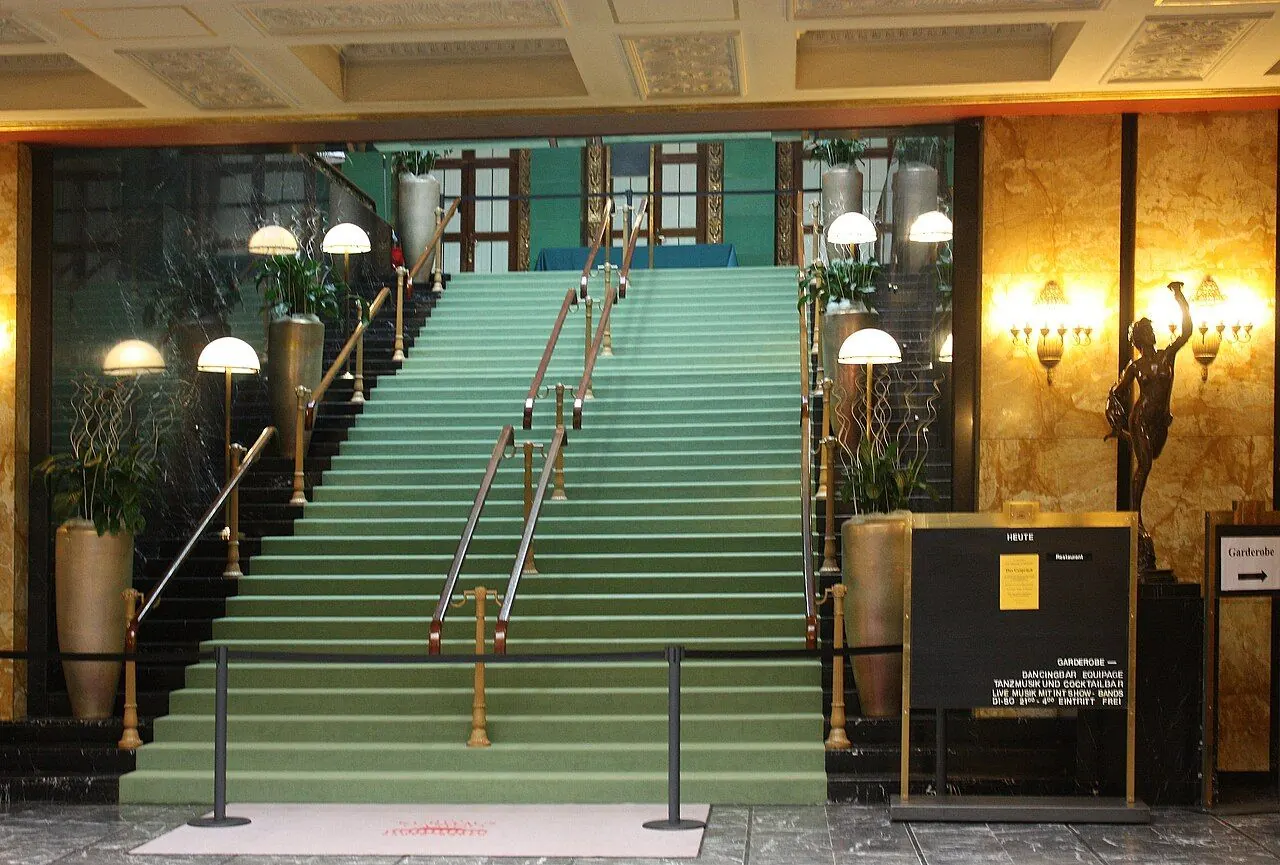
Photo: Dguendel / Wikimedia Commons, CC BY 4.0. Illustrative image.

Partner feature. This article was supplied by a partner and published on doo-nanny.com. It sits outside the editorial sections of the magazine. About partner content.
Step into a good casino and you can feel it at once. The room is warm, light is soft, music has a gentle beat, and the art seems to smile at you. This is not an accident. Design teams plan every detail to guide mood, focus, and comfort. In this guide, we show how interior art, light, color, sound, scent, and space work together. We base the tips on research and real places, and we keep ethics and guest care at the center.
Why emotion matters in casino interiors
Rooms change how we feel. This is part of environmental psychology. A well-known idea in this field is the Mehrabian–Russell model, or PAD model. PAD stands for Pleasure, Arousal, and Dominance. In simple words: how good you feel, how awake you feel, and how in control you feel. You can learn more about the PAD model here: ScienceDirect overview.
In a casino, these three states link to real results. When guests feel good and at ease, they tend to stay longer, move with less stress, and remember the brand better. Good design can help them find what they want faster and rest when they need. Staff work better too. For context on casino research and history, see the UNLV Center for Gaming Research.
Note: design should not push people past their limits. The goal is comfort, safety, and trust. Clear paths, kind light, and art with a story support this goal.
The role of art as atmosphere, story, and guide
Art is not only a picture on a wall. In a casino, art sets the tone, tells the brand story, and can guide your steps. A large work at the entry can say “welcome” and show the theme. A calm piece near a lounge can say “rest here.” A bright piece near a bar can say “energy here.”
Art also helps “soft wayfinding.” When guests see a stand-out piece, they remember that spot. They can use it as a landmark. This makes the floor feel easy, not like a maze. For a classic example of art and decor used to cue luxury and calm, see Wynn Las Vegas and Encore, whose interiors were led for years by designer Roger Thomas. Read more about his approach to narrative and craft in interviews and archives, for example at Architectural Digest and his own site at rogervthomas.com. Wynn’s public spaces often include floral art and custom pieces that make strong, joyful landmarks. Explore the resort’s design ethos at Wynn Las Vegas.
Tips for art placement:
- Use signature pieces at thresholds (main entry, route from hotel to gaming, VIP entry).
- In long halls, space art in a rhythm so people keep moving with ease.
- In gaming pits, use art as accent, not glare. Keep sight lines clear.
- In lounges, pick warm, low-contrast art to encourage calm talk and rest.
Color psychology and materiality
Color sends fast signals. Warm colors (amber, soft red, terracotta) feel cozy and social. Cool colors (blue, teal, sage) feel calm and clean. Strong, bright color can add energy in small areas. Too much can tire the eye. The key is balance.
Materials also “speak.” Velvet and wool say soft and quiet. Wood says warm and human. Marble and brass say formal and special. Mirrors can add sparkle, but use them with care so they do not confuse movement.
Two simple palettes:
- Premium calm: soft beige base, walnut wood, matte brass, deep teal accents, art in gentle tones.
- Energetic play: warm gray base, oak wood, polished metal trim, coral or saffron accents, bold graphic art in small doses.
Do small mockups and test with real guests. Short A/B tests can show which palette leads to more comfort and less visual fatigue. For design inspiration across hospitality, browse Hospitality Design.
Lighting that shapes mood and focus
Light is one of the strongest mood tools. Use layers:
- Ambient light: the base level that sets the overall feel.
- Task light: for tables, counters, and staff stations.
- Accent light: to highlight art and key features.
- Focal light: to draw gentle focus to zones like a bar or stage.
Color rendering matters for art. A high CRI (color rendering index) makes colors look true, so art and finishes look as planned. Learn more here: U.S. Department of Energy on color rendering.
Glare hurts comfort. Design to lower UGR (Unified Glare Rating) so eyes do not get tired. See guidance from the CIE here: CIE on discomfort glare.
Casinos run 24/7, so “circadian” light is tricky. In some zones (like lobbies, dining, corridors), give guests access to light that respects day-night cues. This can help well-being. For standards on light and health, see the WELL Building Standard (Light).
Practical tips:
- Keep ceilings warm and dim to avoid harsh shine.
- Use narrow beams for art so walls glow, not glare.
- Test light on chips, cards, and glossy finishes to avoid reflections.
- Give lounges lower light and warmer tones than active pits.
Soundscapes and acoustic comfort
Sound shapes pace. A steady, moderate tempo helps flow. Too fast can stress. Too slow can drag. Change the music by zone: lively near bars, mellow near lounges, neutral on the floor. Keep lyrics clean and avoid sharp highs that tire ears.
Room acoustics matter. Without treatment, hard floors and ceilings bounce sound and make a blur. Use acoustic panels, soft fabrics, and smart ceilings to lower echo. Add sound masking where needed to keep speech private without raising volume. Read basics on room acoustics at the Acoustical Society of America.
Scent and multisensory branding
Smell ties to memory. A light, clean scent can make a place easier to recall. But it must be subtle. Too much can bother guests and staff. Choose blends that fit culture and brand, and test for allergies. See an overview of scent in marketing at the American Marketing Association and a research review in Frontiers in Psychology.
Ethics tip: never use scent to push longer play. Use it to support comfort and cleanliness only. Offer scent-free zones when possible.
Spatial flow, wayfinding, and micro-zones
Old myths say casinos should feel like a maze. Modern design is more guest-first. Clear paths lower stress and help people find what they need fast. Landmarks, like a bold art piece or a unique light, help people know where they are and where to go next. For fundamentals on wayfinding, see the Society for Experiential Graphic Design: SEGD: What is Wayfinding?
Create “micro-zones”:
- High-energy play: brighter accents, stronger music, bold art.
- Rest zones: softer light, warm colors, calm art, plush seats.
- VIP: quiet, simple, high finish, private art moments.
- Dining: clear light on food, low glare, speech privacy.
Make paths wide enough for wheelchairs and carts. Use clear signs with large type and good contrast. Avoid shiny floors that slip or confuse depth. For accessibility rules, see the 2010 ADA Standards.
Responsible design: comfort without manipulation
Good casinos care for guests. Design can help. Add breakout spaces to rest. Let some zones have daylight. Put clocks in dining and lobbies so guests can pace their time. Show help info in a calm, clear way. Train staff to spot stress and offer support.
Strong ethics build trust. Over time, trust builds a better brand. For help and info on responsible play, see the National Council on Problem Gambling (US) or BeGambleAware (UK).
Case snapshots: what leading casinos get right
Wynn Las Vegas and Encore (Las Vegas, USA): These resorts are known for lush, curated interiors that mix fine art, custom furniture, and joyful floral works. The layout uses wide paths, clear sight lines, and signature moments at key thresholds. The effect is calm luxury. Learn more at Wynn Las Vegas. For context on design shifts from older “maze” models to guest-forward layouts, compare ideas in Bill Friedman’s classic text (see the University of Nevada Press listing for “Designing Casinos to Dominate the Competition”) with modern practice; overview at University of Nevada Press.
Casino de Monte-Carlo (Monaco): This icon shows how art and craft can tell a long story. Belle Époque halls, frescoes, and sculpture build a sense of place. The main rooms use high ceilings and rich materials to slow the pace and invite awe. Explore the venue at the official site: Casino de Monte-Carlo.
MGM Cotai (Macau, China): The “Spectacle” atrium connects to dining and gaming with a vast media art space. It serves as a landmark and mood anchor. The design blends modern art, light, and tech to guide flow without stress. See the Spectacle at MGM Cotai.
From brick-and-mortar to digital: translating atmosphere online
Online platforms can borrow the same ideas. Use a clear visual path from “entry” to game to help. Keep motion smooth and not too fast. Use sound only when it adds calm feedback. Make settings and help one tap away. Add tools for time and budget control in plain view. For UX best practices, see the Nielsen Norman Group.
Brand art can live in icons, badges, and lobby scenes. Keep contrast high and text large for all users. Test with screen readers.
Where to see design done well (and how to judge it)
Want to compare venues or platforms that care about design, access, and safety? Check independent reviews that rate UX, ambiance, and responsible play, not just bonuses. We keep such notes at Casino Juggler, where we look at design quality along with licenses, payments, and player tools.
When you judge a space, ask:
- Do I feel calm and in control within one minute?
- Can I find key areas without asking staff?
- Are light, sound, and scent gentle and even?
- Are help signs easy to find?
- Does the art fit the brand story and local culture?
Practical checklist for casino design teams
- Brand story: Write a one-page story that art and design will express.
- Art curation: Mix local artists and commissioned pieces. Plan placement at thresholds and rest zones.
- Mockups: Build a full-scale light and material mockup. Test for glare, color shift, and wear.
- Lighting specs: Set targets for CRI (high), CCT by zone (warmer in lounges), and UGR (low). Include dimming and scene control.
- Acoustics: Model RT60 (echo time). Add panels, carpets, and soft seating to hit the target.
- Sound plan: Make zone playlists by tempo and time of day. Cap volume levels.
- Scent policy: Pick a low-intensity blend. Test for allergies. Offer scent-free areas.
- Wayfinding: Use clear signs, large type, high contrast. Add art landmarks. Test with first-time guests.
- Accessibility: Follow ADA. Check routes, heights, lighting contrast, and tactile cues.
- Responsible play: Place clear help info and time/budget tools. Train staff on support steps.
- Post-occupancy: Run guest surveys at 30, 90, and 180 days. Track dwell time, stress reports, and wayfinding errors.
- Maintenance: Plan cleaning and repair cycles for art, fabrics, and lights so the look stays true.
FAQ
How does interior art influence casino behavior?
Art sets the tone. It can calm, excite, or guide. As landmarks, art helps people find their way and feel safe in the space.
What lighting keeps casinos inviting without eye fatigue?
Use layered light with high CRI, low glare, and warm tones in rest zones. Dim where you can. Avoid shiny hotspots.
Which colors work best in high-energy vs. VIP areas?
High-energy: warm accents with bold hits. VIP: muted palette, rich texture, and soft contrasts.
How can scent be used ethically?
Keep scent light and clean. Test for allergies. Offer scent-free zones. Use scent for comfort, not to drive longer play.
What are common mistakes in casino wayfinding?
Weak landmarks, low-contrast signs, shiny floors, and blocked sight lines. These cause stress and lost time.
How do designers measure if a casino atmosphere “works”?
They test before and after opening. They track guest comfort, dwell time, wayfinding success, complaints, and staff feedback.
Can online casinos copy the feel of physical spaces?
They can echo it with art, color, motion, and sound used with care. Good UX and clear tools are key online.
Conclusion: designing emotion with integrity
Great casinos do more than shine. They use art, light, color, sound, scent, and space to care for people. When design builds warm feelings and clear paths—and respects limits—guests remember and return. That is the power of atmosphere done with skill and heart.
References and further reading
- UNLV Center for Gaming Research
- Mehrabian–Russell (PAD) model overview
- Bill Friedman: Designing Casinos to Dominate the Competition
- Roger Thomas: design archives and insights
- DOE: LED Color Rendering
- CIE: Discomfort Glare in Interior Lighting
- Acoustical Society of America: Room Acoustics
- AMA: The Power of Scent
- Frontiers in Psychology: Ambient Scent Review
- 2010 ADA Standards for Accessible Design
- Nielsen Norman Group: UX Guidelines
- Hospitality Design Magazine
- Wynn Las Vegas (official)
- Casino de Monte-Carlo (official)
- MGM Cotai: Spectacle (official)
Responsible play resources
- National Council on Problem Gambling (US)
- BeGambleAware (UK)
- Gamblers Anonymous
Disclaimer: This article is for design and education. It does not promote excessive play. Always set limits. If you need help, use the resources above.