Partner feature
9 min read
Stagecraft of Suspense: Set Design that Deals in Risk
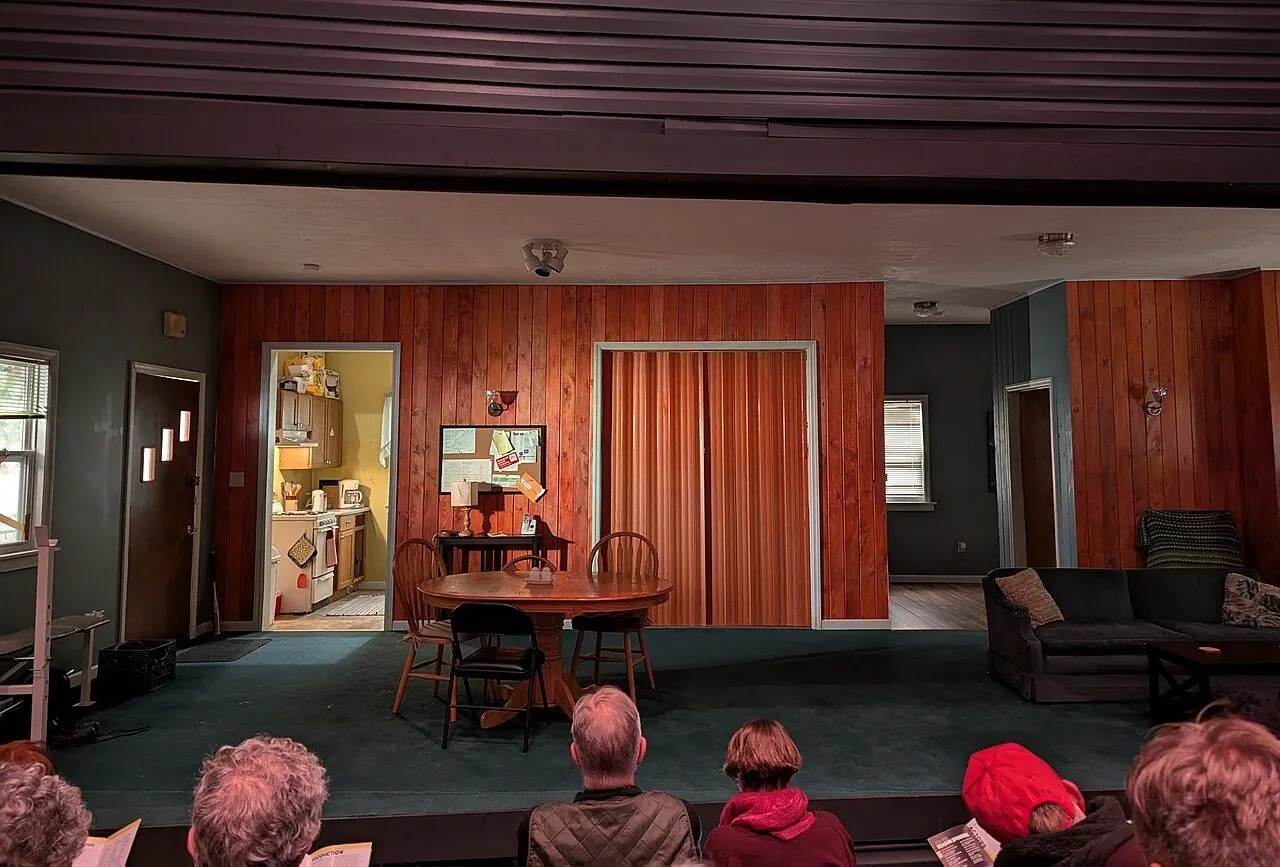
Photo: Sdkb / Wikimedia Commons, CC BY-SA 4.0. Illustrative image.

Partner feature. This article was supplied by a partner and published on doo-nanny.com. It sits outside the editorial sections of the magazine. About partner content.
Suspense is not only about story. It sits in the space. Walls, doors, shadows, and sound all shape how we feel. As set designers, we can build rooms that make the heart beat fast while keeping people safe. In this guide, you get clear steps, tools, and checks to craft suspense on stage, on set, and in immersive worlds.
This article keeps language simple. We use a few key terms. We explain them in plain words. We also link to trusted sources so you can go deeper.
What is “risk‑forward set design”? It is a way to plan space, sightlines, light, sound, motion, and time to make the audience feel unsure for a moment, then reward them with a reveal. It looks risky but it is actually safe.
Why suspense is a spatial problem: the psychology of risk
People feel suspense when they are not sure what is coming, but think it matters, and feel low control. Space can send these signals. A narrow hall, a blocked view, a slow door, or a strange color can raise tension fast.
Risk science backs this up. Psychologist Paul Slovic has shown that feelings guide risk more than facts for most people. See his work and profile at Oregon Research Institute. Prospect Theory, by Daniel Kahneman and Amos Tversky, says we fear loss more than we seek gain. Read a clear explainer at Encyclopedia Britannica. These ideas help us design moments that feel risky but stay safe.
In mise‑en‑scène (the whole stage picture), the set points the eye and the body. Where can I go? What can I see? What is hidden? If the set hints at many paths but shows only part of the truth, the audience leans in. That is suspense.
Principles of risk‑forward set design
Negative space and obstruction
Empty space can be louder than a prop. A dark void, a long gap, or an angled wall holds secrets. Use partial blocks like slats, columns, half walls, or stacked crates. These delay information by a beat or two. That tiny delay builds suspense.
- Layer corridors so the audience cannot see the end at first.
- Use set “teeth” (jagged edges) to create peeks and hides.
- Check sightlines for each seat. Learn the basics at Theatrecrafts: Sightlines.
Sightlines and controlled reveals
Sightlines are the paths that light and eyes take. Map them early. Plan where a person in Seat A gets a hint, and Seat B sees the full reveal a second later. That staggered timing boosts suspense without changing the script.
- Use scrim to hide and show with light. See what scrim does at Rose Brand: Scrim.
- Try shutters, sliders, or louver panels to “blink” the set.
- Mark “no see” zones on your plan. Test with tape and a chair in the shop.
Texture, scale, and material honesty
Strange scale feels risky. A door that is too small. A stair that is too high. A room that is too clean feels wrong for a threat. A room that is too rough feels unsafe. Use that tension, but be honest about material limits and loads.
- Let wood look like wood. Let metal be metal. Fake only where you must.
- Use surface sound: thin metal rings, rough wood creaks. These sounds cue risk.
- Load test any weight‑bearing part. Use standards from ESTA Technical Standards.
Color, contrast, and shadow
Cool colors can feel distant. Warm colors can feel near and alive. High contrast can punch the eye. Deep shadow can hide action and spark fear. Control dimmer curves to shape how fast light rises and falls. Learn about dimming basics at Dimmer curves (overview).
- Use a cool wash with warm hot spots to pull focus where you want.
- Keep a “shadow budget.” Do not black out without a reason.
- Gloss paint near eye level can flash. Matte paint can keep secrets.
Sound‑baked scenery
Sound changes how space feels. Build it into the set. A hollow tread can creak on cue. A panel can buzz at a certain note. Sync these with your sound cues in QLab. Learn QLab basics at QLab.
- Hide contact mics in floors and doors for soft, real sounds.
- Use resonance boxes behind thin panels to make small sounds feel big.
- Keep a mute plan so no noise leaks at the wrong time.
Kinetics without chaos
Moving walls and tracks can raise tension. Fog, blinds, fans, and drops can too. But moving parts add risk. Use stops, guards, and emergency kills. Have a trained operator. Follow safety rules.
- Hire certified riggers. See the ETCP program for pros.
- Set and test travel limits. Use sensors for auto stops.
- Write a pre‑show check. Log checks in every show report.
Time as a set element
Time can live in the set. A clock that ticks. A shutter that closes a little each scene. A cue stack that gets faster. Shorter gaps feel riskier. You can make time visible and audible, and the audience will feel it in their bodies.
- Program delays between lights, doors, and sound.
- Use a real metronome tick buried in the sound bed.
- Show time loss: dust falling, lights dimming, panels sliding.
Case studies: suspense built into space
Theatre
Wait Until Dark uses a simple apartment plan. The reveal is all sightlines, doors, and light. The Woman in Black leans on empty space and sound. In both, the set is not huge. It is smart. You can study sightline tricks and staging ideas at Theatrecrafts.
Film and TV
Bond films often use long, clean lines, strong color, and big scale to build tension. Explore official production design features at 007.com. Squid Game builds risk with color codes, child‑like shapes, and forced paths. Read how the team designed the games at Variety and Netflix Tudum.
Immersive and experiential
Punchdrunk shows use “choice architecture.” Many doors invite you. Few pay off. You feel risk with every step, but staff and systems keep you safe. Learn more about their work at Punchdrunk. For wayfinding and signs that guide choice, see SEGD (Society for Experiential Graphic Design).
Game shows and casino environments
Game shows and casinos tune light, sound, color, and space to make risk feel fun. Bright focal points pull you in. Paths curve so you slow down. Sounds rise before key moments. This is suspense with comfort. For a clear view of how real casinos shape risk and reward for players, see independent ratings of popular gambling brands. Their notes on color, pacing, and user cues match many stage design tactics here. Only use gambling sites where it is legal, and play with care.
Safety vs. perceived risk: ethics and compliance
Our job is to make danger feel real but to keep people safe. This is ethical and also the law. Start with a risk review for each moving part, height, edge, flame, and power tie‑in. Use a simple risk matrix: what can go wrong, how likely is it, how bad is it, how do we reduce it.
- Use trusted safety guides from USITT and the OSHA Theatre eTool.
- Follow fire and egress codes from NFPA.
- Use a certified rigger for loads, lines, and lifts. See ETCP.
- Plan fight calls and safety calls with the team. See the SAFD for best practice.
- For worker health topics in performing arts, see NIOSH: Performing Arts.
Write it down. Note who checked what, when, and what changed. Share the plan with stage management. Repeat each day. Real safety lowers stress. Lower stress gives better timing and better suspense.
From script to stage: a simple workflow
Here is a clear path you can follow on any show:
- Script map. Mark every “risk beat” in the script. A risk beat is a moment of doubt, delay, or reveal. Note what the audience knows vs. what they do not know.
- Reference lookbook. Gather images for light, space, color, and texture. Add sightline sketches. Keep the lookbook tight. One page per beat.
- Pre‑vis and tests. In SketchUp or Vectorworks, draw a plan and quick 3D. Drop in “cameras” for seat views. Do a masking test with cardboard and tape in the shop.
- Cross‑team plan. Meet with lighting, sound, props, and stage management. Decide who triggers each cue and when. Build a cue map with timing.
- Tech and refine. In tech, tweak sightlines, heights, and light angles. Adjust dimmer curves and sound fades. Shorten gaps. Make reveals clean.
- Budget smart. Use high‑impact, low‑cost tools: scrim, shutters, paint tricks, and timed sound. Save motors and custom builds for one or two key moments.
Toolkit: materials, tech, and tricks
- Scrim. Looks solid from the front with light. Goes see‑through when you light behind. Great for ghostly reveals.
- Shutters and louvers. Simple wood or aluminum blades that open or close a view fast.
- Mirrors and mylar. Concealed mirrors can double space or hide action. Mylar is light and flexible.
- Textured flats. Add depth with foam, burlap, or carved wood, then paint with high contrast.
- QLab and DMX. QLab runs sound and video cues. DMX drives lights and effects. Cue short delays between them to add tension.
- Sensors. Use limit switches, IR beams, or pressure mats for safe, repeatable triggers.
- Atmosphere. Haze, fans, and dust can show light paths and time. Use within safety and venue rules.
Measuring impact: did suspense land?
Do not guess. Measure.
- Audience notes. Ask three short questions at the exit: Where did you feel tense? Was any moment confusing? Did any reveal feel late or early?
- Heatmaps in immersive shows. Track where people stop or rush. A cheap way is to log times on a floor plan after each run.
- Show reports. Add a “suspense timing” line. Note cue times and any drift.
- Critics and peers. Pull quotes that name set, space, and tension. Save these as proof for your next pitch.
Common mistakes and how to avoid them
- Too much stuff. Clutter kills tension. Keep only what helps the beat.
- Unclear goals. Every shadow and block needs a reason. If you cannot say why, cut it.
- Unsafe motion. Moving walls without stops or guards are a no. Fix the rig. Or fake the motion with light and sound.
- Telegraphed reveals. If the audience can see the trick device in pre‑set, the reveal dies. Mask it, paint it, or move it.
- All dark, no shape. Darkness alone is not suspense. Use contrast, edges, and timing.
Quick checklist you can print
- List risk beats by scene with goals.
- Mark sightlines for three seats: left, center, right.
- Plan one “peek” and one “payoff” per beat.
- Choose color logic: cool for distance, warm for threat or comfort.
- Set dimmer curves and sound fades for timing.
- Design one moving element with hard stops and e‑stop.
- Run safety checks: loads, edges, egress, fire rules.
- Program cues with short delays (100–400 ms) for tension.
- Test, measure, and cut clutter.
FAQs
How can I create suspense on a low budget?
Use light, shadow, and sightlines. A $20 roll of black wrap can make shutters. A $40 scrim remnant can give you one great reveal. Time your cues well. Good timing beats big gear.
What materials are best for reveals?
Scrim is top for reveal. Mirrors and mylar can also hide and show. Louver panels can open fast. Use paint to blend seams. Test under show lights before you lock the plan.
How do I balance safety and the illusion of risk?
Make the danger visual and sonic, not real. Use sound, light, and blocked views. Keep loads within spec. Follow OSHA Theatre eTool and ESTA standards. Add daily checks.
What’s different between theatre and film set suspense?
Theatre has fixed seats and shared time. You design for many angles at once. Film has a camera, so you control each shot. In theatre, use layers and live timing. In film, design for the lens and edit.
What is a simple way to test sightlines for a reveal?
Tape the set plan on the floor. Put a chair at three seat spots. Raise a phone to eye height. Walk the path of the reveal. What can you see? Adjust walls and masks until the timing feels right.
Conclusion
Suspense lives in space. With smart sightlines, honest materials, tight timing, and strong safety, you can make risk feel real without real danger. Start with one risk beat, design a clear peek and payoff, and measure the effect. Keep what works. Cut what does not. Your audience will lean in, and your team will feel safe and proud.
Sources and further reading
- Paul Slovic (risk perception)
- Prospect Theory explained
- USITT safety and education
- OSHA Theatre eTool
- ESTA Technical Standards Program
- ETCP: Certified Entertainment Technicians
- NFPA Codes and Standards
- Theatrecrafts: Sightlines
- Scrim basics (Rose Brand)
- QLab
- Variety: Squid Game production design
- Netflix Tudum: Squid Game design
- Punchdrunk
- SEGD: Wayfinding and experiential design
- NIOSH: Performing Arts Safety
- 007.com: Production design features