Partner feature
9 min read
Casino Murals and Public Art: Narrative Walls of Fortune
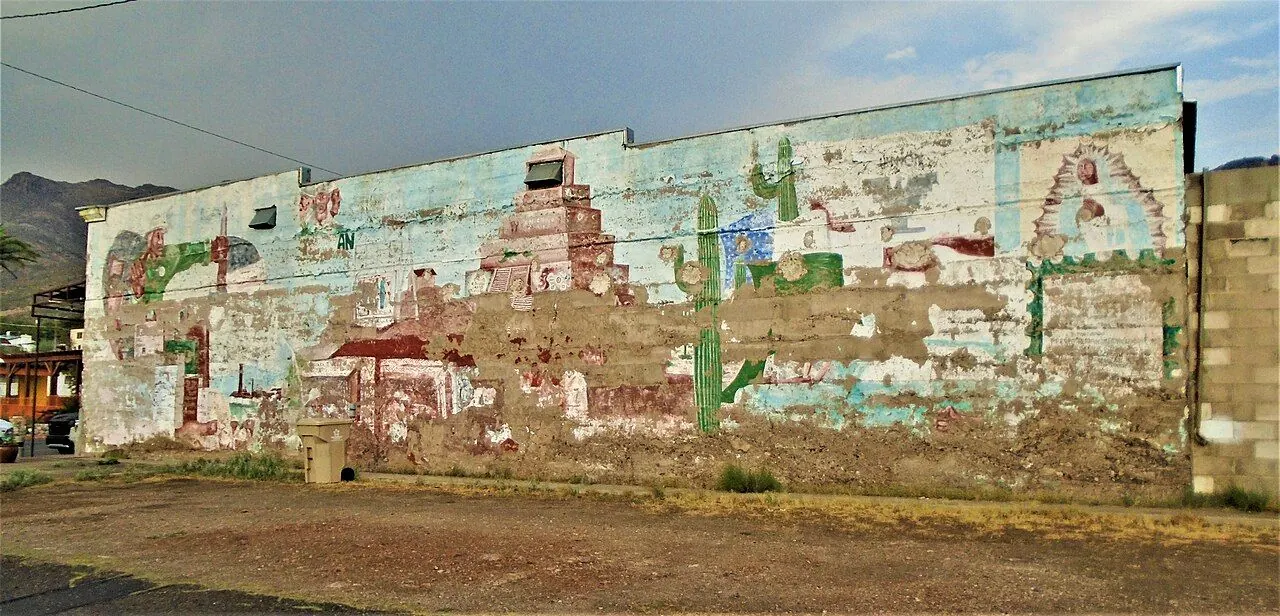
Photo: Beyond My Ken / Wikimedia Commons, CC BY-SA 4.0. Illustrative image.

Partner feature. This article was supplied by a partner and published on doo-nanny.com. It sits outside the editorial sections of the magazine. About partner content.
Big walls can tell big stories. In casino towns, walls do more than fill space. Murals and public art guide your steps, set the mood, and share the soul of a place. You can enjoy them even if you never place a bet. This guide shows what these works are, why they exist, where to see great ones, and how to enjoy them with care.
What Are Casino Murals and Public Art?
A mural is a large painting on a wall or a ceiling. Public art is art you can see in shared spaces. In and around casinos, you will find murals, light pieces, sculpture, and ceiling art. Some are outdoors on the street. Some are inside lobbies, halls, and shops.
Many of these works tell stories of luck, risk, and hope. Some show city icons. Some use classic styles like fresco (paint into wet plaster). Others use bold street art. Together, they make “walls of fortune.” They turn walkways into stories you can follow with your eyes.
Why Casinos Invest in Murals
- Place and story: Art gives each property a clear look and voice. A wall can say “old world” or “neon dream” without a word.
- Wayfinding: A bright wall helps you find your way. “Turn left at the mural” is easy to remember.
- Photos and buzz: Striking art becomes a photo stop. Guests share pictures. This brings more visits.
- Community links: Many casinos hire local artists. This builds trust and pride. It also supports the city’s art scene.
- Care and rules: Good teams check that images do not push risky play or exclude people. Art can be bold and still be safe and fair.
A Short Visual History: From Belle Époque to Neon Modern
In the late 1800s, places like Monaco dressed gaming rooms with gold trim, painted ceilings, and myth scenes. This look set a tone of theater and class. You can still see that at the Casino de Monte‑Carlo.
Las Vegas built on theater. Resorts told big themes. Caesars Palace mixed Rome style with fresco-like art. The Venetian used painted skies and arches, a nod to Italy’s old masters. The Forum Shops even has an indoor “sky” that shifts tone through the day.
In the 2000s, some resorts built formal art programs. The ARIA Fine Art Collection placed museum-level works in public paths. The Bellagio Gallery of Fine Art hosts rotating shows. Wynn displays pieces by major artists in calm, bright spaces.
Street art rose too. In Downtown Las Vegas, festivals and city support led to large murals on blocks near Fremont Street. You can browse the city’s public art map here: City of Las Vegas Public Art Map. Reno grew its own scene with big walls and an annual mural event. Atlantic City used murals to boost local pride and draw walking tours. In Macau, new “integrated resorts” added giant digital art and crafted spaces you can enjoy for free.
Where to See Standout Casino Murals and Public Art
Las Vegas
Downtown murals (near Fremont Street): Many blocks east of the Fremont Street Experience hold murals by global and local names. Look for large faces, neon themes, and desert life. Murals change as new works go up. Use the city map to plan a short loop: Interactive Public Art Map. The Downtown Container Park area and The Neon Museum zone also offer strong photo spots, though the Neon Museum is about historic signs, not murals.
On-Strip art moments:
- ARIA Fine Art Collection (free to view in many areas). Look for sculptures and wall works along promenades.
- Bellagio Gallery of Fine Art (paid entry; curated shows). The Conservatory is free and very visual.
- The Venetian ceilings and colonnades, with painted sky scenes. Free to walk and shoot.
- Caesars Palace halls and shops, with fresco-style motifs and statues.
How to see it: Go early morning for clear shots. Ask a guard which areas are open to all. Some halls are 24/7 and free.
Planning a visit to these resorts? For simple casino overviews, dining notes, and how the floors feel, see https://playcanadaslots.com/.
Reno
Circus Circus Reno Mural Marathon: This is a set of huge walls on and around the casino’s parking structure. Artists paint new works in cycles, so each year can look fresh. See the event page for updates: Circus Circus Reno Mural Marathon. The city’s arts page lists more public art downtown: Reno Arts & Culture.
What to look for: Big, bright forms, strong lines, and themes of play and motion. Many pieces are great for wide-angle shots.
How to see it: Daylight is best. Parking garages can be busy; keep to marked paths and stay aware of cars.
Want quick notes on Reno properties and what is near each wall? Try https://playcanadaslots.com/ for clear, short reviews.
Atlantic City
48 Blocks murals and public art: The Atlantic City Arts Foundation leads this city-wide art push. You will find murals near the Boardwalk, on side streets, and in mixed zones between casinos and homes. Themes often honor local people, sea life, and hope.
How to see it: Start with the ACAF map and plan a safe route by daylight. Mix in a Boardwalk walk for easy access and food stops.
Comparing Boardwalk casinos for food, rooms, and easy art stops? See short guides at https://playcanadaslots.com/.
Macau
Taipa Village and resort art: In the old lanes of Taipa, you will find small galleries and murals that show local life. Start at Taipa Village Macau and the Art Space. In the resorts, look for large, free-to-view art features:
- MGM Cotai “Spectacle”: a vast atrium with giant moving LED art and natural light.
- Wynn Macau art collection: curated works in public paths.
How to see it: Resorts post open hours on their sites. Many lobbies are open to all. Save time for short walks in Taipa’s lanes between visits.
For an easy way to compare Macau resorts, see the clear, no-fluff notes at https://playcanadaslots.com/.
Monaco
Painted rooms of the Belle Époque: The Casino de Monte‑Carlo is a jewel box. Ceilings show myth scenes, gold leaf, and fine trim. It feels like a palace. Dress codes and entry rules may apply; check the site before you go. The Monaco tourism office lists hours and tips.
How to see it: Go on a weekday morning for fewer crowds. If a room is closed for an event, ask staff what is open. Be quiet and respectful; these are formal spaces.
Need a simple snapshot of nearby gaming options and what each place offers? Check https://playcanadaslots.com/ before you plan.
How Casinos and Artists Collaborate: From Brief to Brushstroke
Good murals start with a clear brief. The property picks a theme and a spot. A curator or design lead writes goals: mood, colors, and safety needs. They invite artists to send ideas. Shortlisted artists share sketches and a plan for the wall, lifts, and prep.
Once the team signs a contract, crews clean and prime the wall. They set lifts and mark safe zones. The artist transfers the sketch, then paints in layers. Big works may need a week or more. If the wall is outdoors, they watch the weather. A clear top coat can protect the paint. Inside, teams tune the lighting so colors read well day and night.
Many groups help: operations, security, legal, marketing, and city permit staff. A small ribbon event or a behind-the-scenes video can bring the community in. These steps turn a blank wall into a shared win.
Designing Responsible, Inclusive Murals in Gaming Spaces
- Do not glamorize harm: Skip images that push binge play or show unsafe acts.
- Be inclusive: Show people and symbols that welcome many groups. Avoid stereotypes.
- Keep paths clear: Photo spots must not block exits or games. Add floor marks if needed.
- Think access: Use good contrast so text is easy to read. Keep signs at a readable height. Make sure routes near art fit mobility needs.
- Use gentle cues: Art can help with wayfinding. A color or icon can nudge people to lobbies, restrooms, or exits.
Tips for Visitors: Seeing and Photographing Casino Art Respectfully
- Go early or late for fewer people.
- Ask staff which areas are open to the public.
- Do not use flash if signs say no flash.
- Do not block seats, tables, or paths.
- If you post a photo, add the artist’s name if a plaque lists it.
- Mind private spaces. If a door is guarded, ask first.
For Property Teams: A Quick Guide to Commissioning a Mural
- Define the purpose: Is it for brand, wayfinding, or community good? Write one clear sentence you can test each choice against.
- Map the site: Measure the wall. Note sun, shade, vents, and traffic. List rules: lift access, quiet hours, safety lines.
- Set budget and time: Include artist fees, lifts, paint, primer, top coat, lighting, doc crew, and a light meal plan. Add a weather buffer for outdoor work.
- Curate and contract: Invite 3–5 artists with the right style. In the contract, set rights, credit lines, touch-up terms, and what happens if the wall must come down later.
- Execute and tell the story: Share sketches, time-lapse, and short notes from the artist. Add a plaque with the artist’s name and a QR code to a page with more info.
- Maintain and measure: Clean on a set schedule. Track guest photos, press hits, dwell time, and survey scores. Plan a small refresh every few years.
ROI tip: A good wall can raise dwell time, spark word of mouth, and earn press. These effects stack with each new piece.
FAQs
Are casino murals free to view?
Most outdoor murals are free. Many indoor pieces are in public paths and are free. Some galleries, like the Bellagio Gallery of Fine Art, charge a fee.
Can non‑gamblers see these art areas?
Yes. Lobbies, shops, and promenades are open to all. If in doubt, ask staff which parts are public.
Do casinos rotate murals or are they permanent?
Both. Some walls last for years. Others change with events or new seasons. Check venue pages for current shows.
How much does a large casino mural cost?
Costs vary by size, site, and artist. A big pro mural can run from tens of thousands to more, plus lifts and coatings. Ask for itemized quotes.
Who owns the rights to a mural in a casino?
The contract sets rights. Often the artist keeps copyright. The property gets use rights for display and promo. Always credit the artist.
What symbols appear on “walls of fortune”?
You may see dice, cards, stars, laurel wreaths, gods of luck, and city icons. Many artists also use abstract forms to show motion and chance.
Responsible Play Note
Public art is for everyone, with or without play. If you choose to gamble, set a budget and time limit. If you feel stress, step away. Help is here:
- Canada: ConnexOntario Problem Gambling (24/7)
- USA: National Council on Problem Gambling (Call or text 1‑800‑522‑4700)
- Global self‑help: Gamblers Anonymous meetings
If you are under the legal age in your area, do not gamble.
Authoritative resources and official pages
- ARIA Fine Art Collection
- Bellagio Gallery of Fine Art
- Wynn Las Vegas Experiences and Art
- Circus Circus Reno Mural Marathon
- Atlantic City Arts Foundation – 48 Blocks
- Taipa Village Art Space (Macau)
- MGM Cotai – The Spectacle
- Wynn Macau Art Collection
- Casino de Monte‑Carlo (Monte‑Carlo SBM)
- City of Las Vegas Public Art Map
- City of Reno Arts & Culture
- The Venetian – Art and Architecture
- Caesars Palace – Official Site
- Visit Monaco – Official Tourism
Conclusion and Next Steps
Casino murals and public art turn halls and streets into a story book. They link luck, risk, and place in color and light. Plan a walk, look up, and let the walls guide you. If you are building a trip, and want quick, clear notes on casinos near these art stops, compare options at https://playcanadaslots.com/. Share your favorite walls, and credit the artists who bring them to life.
Last updated: