Partner feature
9 min read
The Architecture of Temptation: Casino Design as Cultural Statement
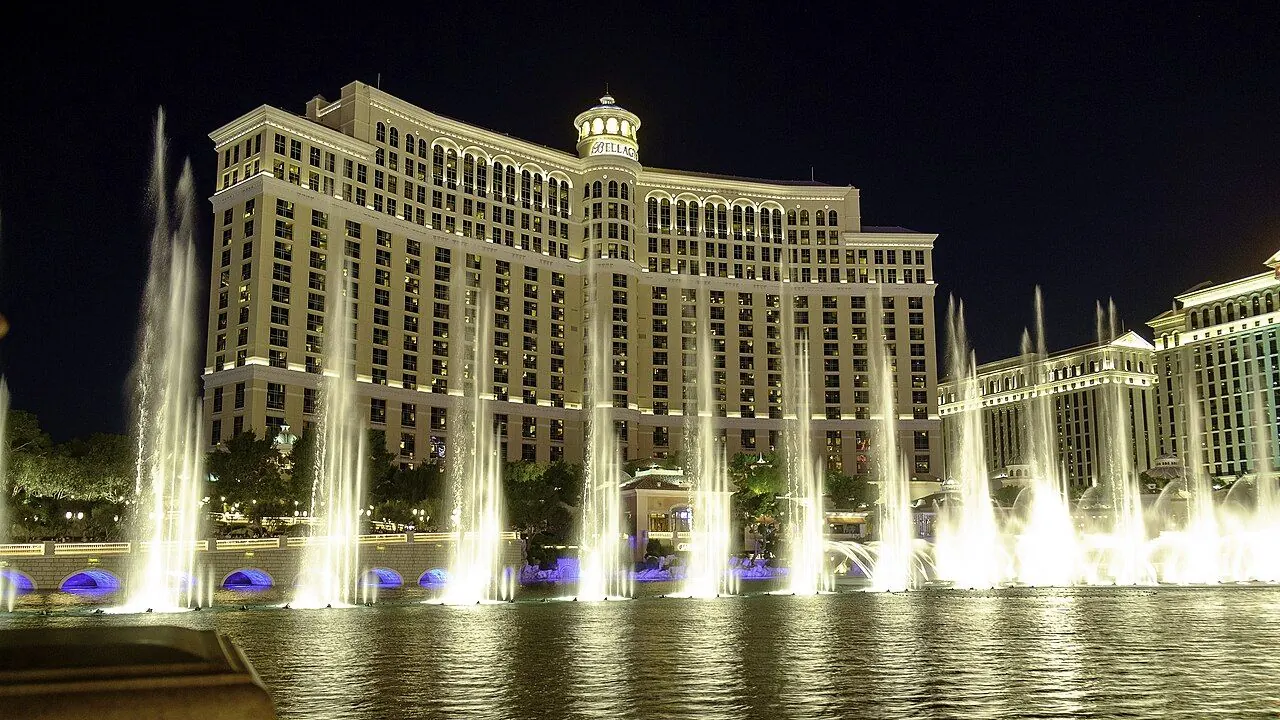
Photo: Hardscarf / Wikimedia Commons, CC BY-SA 4.0. Illustrative image.

Partner feature. This article was supplied by a partner and published on doo-nanny.com. It sits outside the editorial sections of the magazine. About partner content.
Cold open: the lobby that lies
The door slides. The air is cool. The floor is soft and thick. Lights glow low and warm. Corners curve. The path bends left, then bends right. I look for a clock. There is none. I look for a window. The walls say no. Music hums at a steady beat. I move forward without thinking why.
This is not only a plan to take my time. It is a stage set for the city’s story. Every line and light tells me what this place values. Is it old grace, loud joy, quiet wealth, or civic pride? In short: the casino floor is culture, not only commerce. Few rooms say more about a place than the gaming hall at the heart of its Las Vegas research.
Thesis in plain sight
Casinos are mirrors. They show what a city wants to be. The geometry, the pace of light, the path of your feet, the nearness of food and show, the hush of a salon, the flare of a dome—each move sends a signal. Monaco bows and asks you to mind the rules. Vegas smiles wide and says bring friends. Macau builds big and says power lives here. Singapore stands tall and says we are a world city.
We know this is not new. We saw it in the classic study Learning from Las Vegas. But the lesson keeps changing. The floor is now part museum, part mall, part arena, part spa, part data lab. Yet the core still holds: design sets mood, mood sets choice, choice sets culture.
Field notes from the floor
Wayfinding first. You think you wander. You do not. Signs sit low. Paths bend, not break. You see the next point before you leave the last. Fonts are simple and bright. Icons beat words at long range. Carpets carry arrows in their weave. The body reads all this fast. It is the grammar of place. For a full look at how this craft works in public space, see the group for wayfinding and environmental graphics.
Smell next. Many floors pump a light, sweet scent. It cuts smoke. It marks the brand. It sets calm or lift. Some studies say scent can shape mood and time-on-site. Claims on spend are mixed. Still, the link is clear enough to use with care. For a plain read on the science, start with open work on ambient scent research.
Sound too. A soft ceiling lowers the ring of slots. Baffles hide in beams. Music holds a beat that fits the room’s pace. Loud near bars, soft near tables, warm near high-limit rooms. Bad sound makes stress. Good sound makes stay. The basics of this are well known in the acoustic design in hospitality field.
Sidebar: the psychology cheat sheet
Here is a short guide to the tools you feel but do not see. Use it as you walk a floor. For deeper notes on how space can shape choice, the APA overview on environmental cues is a helpful start.
- Light: Warm light (about 2700–3000K) says stay. Cool light says move on.
- Ceiling height: Low for focus. High for awe. Blend for rhythm.
- Path: Curves slow you. Straights speed you. Mix to pace the trip.
- Color and pattern: Bold on floors guide feet. Calm walls rest eyes.
- Seating: Close seats raise buzz. Space between seats lowers stress.
- Clocks and windows: Fewer means soft time. Some new spaces add day light to cut fatigue.
- Scent: Light, clean notes signal care. Heavy notes tire fast.
- Adjacencies: Bars and food near games add breaks and keep you near.
Case files: when culture designs the casino
Case file A — Monte Carlo: ritual in a gilded room
Monte Carlo wears rules like jewelry. Rooms are salons, not pits. You step through marble, gold, and hush. The dress, the tone, the trim say this is a rite. Chairs are not too soft. Light is not too dim. You do not roam; you proceed.
The house brand tells this story with care. It invites you to enter a set piece from another time. The feel is old world, yet kept new. See the official note on Monaco’s casino heritage to sense the frame.
Case file B — Las Vegas: from neon joy to curated ease
Vegas built a language of light. Neon gave way to LED. The Strip grew into a ring of shows, pools, clubs, and malls, with gaming in a calm core. Floors like Bellagio and Wynn set art, gardens, and scent as the mood. The path from porte-cochère to table is a glide, not a dash.
The art program is not a side note. It signals taste and range. It lets guests who do not play still take part. One good mark of this shift is the Bellagio Gallery of Fine Art right off the floor.
Brand tone backs the plan. Materials, light, and service form a calm luxury that is grown-up, not loud. A look at Wynn’s design philosophy shows how this plays out across rooms and years.
Case file C — Macau: monument and the private room
Macau builds at civic scale. Halls are vast. Ceilings soar. Facades shine. It is the theater of size. Yet the true stage sits behind doors: VIP salons, tea service, private cashiers. The layout hides wealth in plain sight, with smooth, guarded routes.
For a ground view on laws, revenue, and shifts, the UNLV Center for Gaming Research has deep files on the region.
Policy now pushes change. Junket firms fell. Mass market grew. Design follows, with more public show and less back room flow. For a clear recap, see this Reuters explainer on Macau’s crackdown.
Case file D — Singapore: the city as brand
Marina Bay Sands sets a new note: a resort that looks like the city it sells. The sky park is a civic sign. The base is a mall and museum as much as a floor. Daylight reaches deep in public zones. Landscaping cools the walk. It is a machine for events, not just play.
For drawings and an architect’s lens, see the ArchDaily case study of Marina Bay Sands.
Case file E — Tribal casinos in the U.S.: place, people, pride
On sovereign land, many properties weave in art, language, and local craft. Wood, stone, and pattern tie the room to the tribe. Revenue funds schools, health, and jobs. The floor is not just a market; it is a means to a civic end.
For law and oversight, the National Indian Gaming Commission site sets out the framework and the public role.
Interlude: the choreography of time
Casinos shape how you feel time. Curves and soft light slow the clock. A bar at the bend gives you a pause, then a push. Noise rises near a crowd, then fades near cashiers. The space rewards small moves: a free seat, a near win, a cool drink, a view of a show. These are nudges inside the plan.
Time sense is a field of its own. If you enjoy the science, browse the time perception research that maps how brains keep tempo.
The working table: devices, effects, and signals
Use this table when you want to “read” a floor fast. It links a design device to its likely effect and the message it sends. It also points to where you can see it in the world.
| Curved pathways from lobby to floor | Slow pace; extend dwell | We value ease over rush | Bellagio (Las Vegas), Wynn (Las Vegas) | Common in resort plans; links to lower stress load |
| Warm 2700–3000K lighting over slots | Calm mood; longer stays | Comfort is part of play | Resort properties across U.S. and Asia | Lighting guides note warm light extends sit time |
| Carpet with directional motifs | Guide feet without signs | We steer with a soft hand | Most major floors; view near entries and cashiers | Wayfinding best practice; lowers choice friction |
| Slot pods in semi-circles | Safe “nooks”; micro privacy | We respect your bubble | Macau mass halls; U.S. locals casinos | Pods break up sightlines; raise comfort |
| VIP salons set off main floor | Status; control; quiet | Power sits behind the veil | Macau, Monaco, Singapore | Adjoins private cage and F&B via short paths |
| Daylit public zones near retail | Relief from fatigue; family use | We are a civic venue too | Marina Bay Sands; CityCenter Las Vegas | Daylight boosts mood; blends non-gaming spend |
| Acoustic baffles over tables | Cut echo; clear speech | We value calm focus | High-limit rooms; salons | Room acoustics 101; lowers stress and error |
Sources blend field notes with peer work such as the Gaming Research & Review Journal. Claims on cause vs. link are stated with care.
Counterpoint and ethics
There is a line between care and control. No clocks can help you relax. They can also hide time. Curves can ease flow. They can also keep you from a door. Good design should hold both truths. It should lift choice, not take it.
If play is not fun, or if you need help, please use national responsible gambling resources. A safe trip is the best trip.
There is also the planet and the staff. Air, light, noise, and shift work shape health. New builds aim for better standards. Many now use green guides like USGBC LEED to cut energy, clean air, and raise daylight in back-of-house and guest space alike.
Futures: cashless floors, live domes, and quiet data
Cashless play is here. It changes habits and sightlines. Fewer kiosks mean more open paths. Identity checks move to the screen. Rules shape each step. For current policy notes, see the Nevada Gaming Control Board.
Data will tune the floor in small ways. Heat maps can shift a bar ten feet. A buffet can move to split a crowd. Light scenes can change by hour. None of this should feel like a trick. It should feel like care.
Big show tech will merge with play. Think live screens, wrap sound, and seats that sway. A model is the new Sphere in Vegas, where art and sound fill the shell. For a clear view, read the BBC report on the Sphere opening.
Field guide: how to “read” a casino in ten minutes
Start at the door. Note the first turn. Is it a curve or a straight? Look up. How high is the ceiling now vs. ten steps in? Smell the air. Warm? Floral? Clean? Listen. Does talk carry, or does the room swallow sound? Watch the carpet. Do lines point a way? Track what you pass before you see the main floor. Count bars, food, and shops on the edge. Find the first quiet room. See if there is a seat to rest within sight of games. Check for a clock or a window. You just read the room’s values.
If you want a tour by venue, with maps, floor traits, and player perks, you can browse https://mymobicasino.com/. Use it to compare how design feels across cities and brands.
Sources, thanks, and open questions
This piece draws on open studies, design guides, corporate notes, and public archives. Old plans and photos help show how floors have changed. A rich trove sits in the UNLV Libraries casino collections. Gaps remain. Scent and spend links need more proof. Long-term staff health in low-light areas needs more open data. This page will update as new work comes out.
Author and method
Byline: Editorial Team. We study architecture, city life, and hospitality. We review plans, public case studies, and operator notes. We aim for clear, sourced claims. We welcome fixes and new sources.
Method: desk research; review of public floor plans and brand standards; synthesis of peer-reviewed work; site photography where allowed; last cross-check of links and facts on the date below.
Last updated: 06 September 2026
Note: If you or a loved one need help with gambling harm, please visit your local support line or the U.S. national resource listed above.