Partner feature
9 min read
From Salon to Strip: How Spectacle Redefined Cultural Entertainment
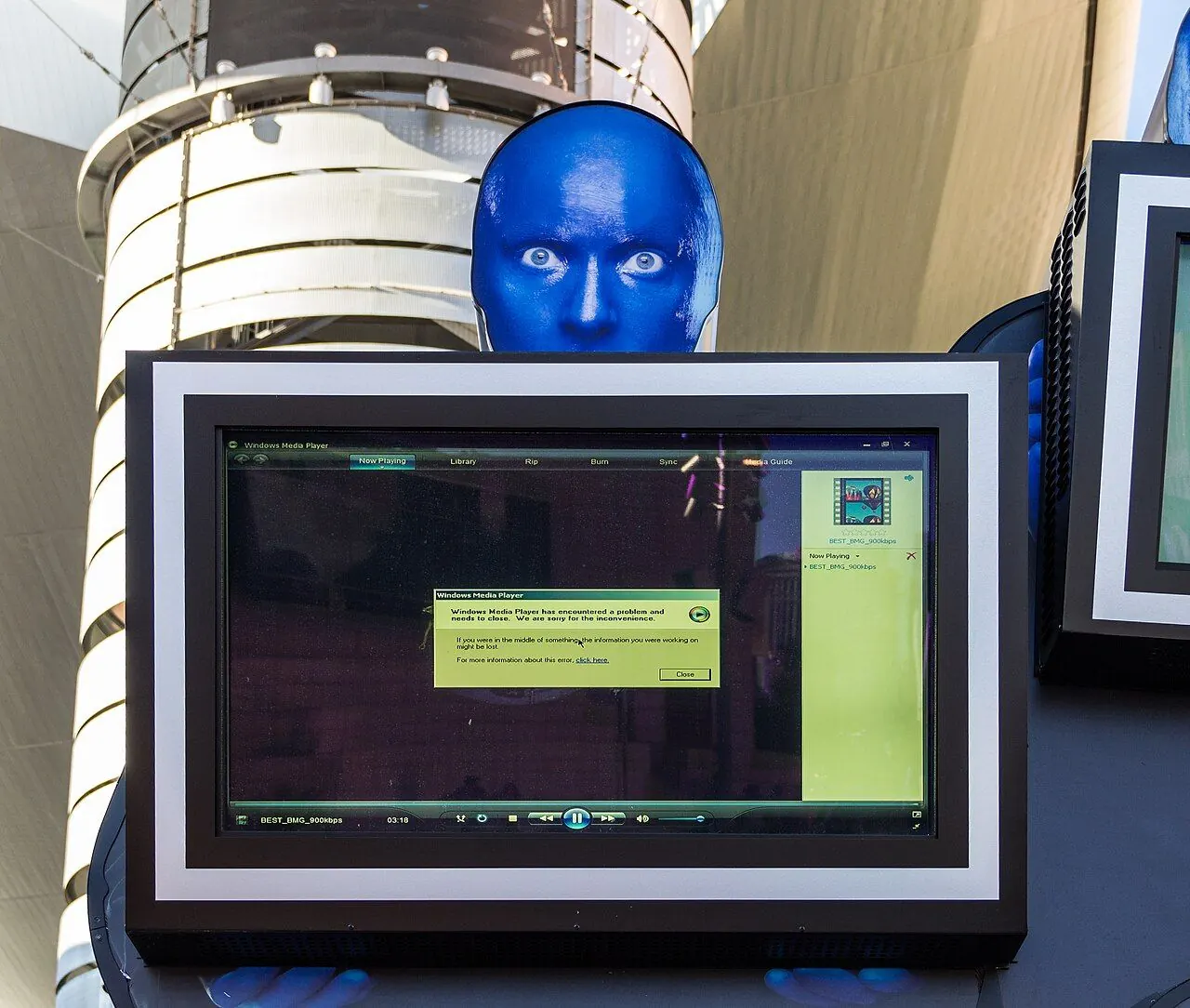
Photo: Dietmar Rabich / Wikimedia Commons, CC BY-SA 4.0. Illustrative image.

Partner feature. This article was supplied by a partner and published on doo-nanny.com. It sits outside the editorial sections of the magazine. About partner content.
Author: Lina Markham — culture writer who has covered Las Vegas residencies, vaudeville archives, and small European salons.
Editor: R. Chen | Fact-check: A. Brewster
Reading time: 11–12 minutes
Last updated: 2026-07-04
Disclosure: This article includes one affiliate link. If you use it, we may earn a commission at no extra cost to you.
Cold open — a night on the Strip
The doors swing wide. Cool air rushes out. The room hums like a beehive. A wall of LEDs tilts and glows blue, then red. A wire rig slides above the seats with a soft hiss. You feel the bass in your ribs. The host does not beg for silence. He counts down, and a thousand phones rise like stars. This is not a quiet show. It is a machine built to win your eyes, your ears, your time, and a little more.
But this world did not start here. Long before the Strip, the show began in a room with chairs too close to each other, a table of tea, and talk that could turn a fashion or end a career. The path from salon to Strip is the story of how “the show” grew louder, brighter, bigger — and how we learned to live inside it.
Interlude A — Artifact spotlight
Look at an early vaudeville poster: bold fonts, many acts, no single star. The promise is variety, surprise, and a full night out. That mix is a seed of today’s spectacle. One stage, many thrills, your attention held by steady change.
Backward trail: Strip → Cabaret → Salon
Start at the Strip. Think of mega-residencies. One theater is built for one act for months. Seats are soft. Sound is deep and clear. Screens move like a second cast. The show is tight, and nothing is left to chance. Cirque du Soleil set this high bar for precision and awe; to see how that brand rose and spread, read the concise profile of Cirque du Soleil at Encyclopaedia Britannica.
Step back a century. Vaudeville and revues ran on novelty. A bill might swing from a singer to a comic to an acrobat in minutes. Circuits linked towns, and acts moved fast. A clear window into that world is the Library of Congress collection “Vaudeville and Popular Entertainment.” In the same era, hype masters like P. T. Barnum sold “wonders” as a business style. For a sober look beyond the myth, see the Smithsonian’s essay on the real P. T. Barnum. The point is simple: the show became a product, built to scale and travel.
Now step even further back. Salons in the 18th and 19th centuries were small rooms where people met to talk, read, play music, and shape taste. They worked through social rules and status. For a plain overview of this world, see Britannica on salon culture. Salons did not have spotlights. They had hosts. They did not sell seats. They traded in access, wit, and social capital.
There was also the official “Salon” — the large state art show in Paris. It became a spectacle of rank: who hangs where, who sells, who is shut out. When new painters were refused, they set up their own show. That break is a key moment in how art and audience split. For that episode, read Khan Academy’s clear note on the Salon of 1874.
Across these stages, one thing grew: scale. Rooms got bigger. Gear got stronger. Money moved from patrons to tickets, then to full night “resort” spends. The show learned to be not just a thing you watch, but a place where you eat, drink, shop, and post.
Interlude B — The math of spectacle
This table is a quick map of how venues, tech, money, and pushback shifted over time.
| 18th–19th c. | Literary/art salon | Print networks; live music in rooms | Patronage; social capital | Talk first; invite only | Elitism; gatekeeping | Parisian salons |
| Late 19th c. | Official art Salons | Mass press; juried shows | Sales via status | Experts judge; public views | Stifled change; schisms | Salon of 1874 |
| 1900s–1920s | Vaudeville / revues | Tour circuits; stage lights | Tickets; novelty churn | Family mix; fast pace | Moral panics; labor fights | LoC Variety Stage; Barnum |
| 1950s–1970s | TV variety; lounges | Broadcast; cheap amps | Ads; comps; loss leaders | At home or sofa-side | “Lowbrow” stigma | Late-night shows; casino lounges |
| 1990s–2000s | Vegas mega-shows | Advanced rigging; sound | Residency + F&B uplift | Sit-down blockbusters | “Disneyfication” critique | Cirque du Soleil |
| 2010s–2020s | Residencies + streaming | LED walls; algorithm feeds | Dynamic pricing; bundles | Always-on snippets | Attention fatigue; parasocial ties | LVCVA research; Pew social media |
Three engines that power the modern spectacle
1) Technology
Light, sound, and motion are not just tools. They are part of the cast. LED walls can turn a bare stage into a city. A hidden track can fly a singer over row 20 and land them dead center on the beat. In streaming, code takes this role. A “For You” feed is a stage hand. It lines up acts, and it never lets the room go dark.
2) The business model
The show is also a plan to make money in more than one way. In Las Vegas, a strong residency can lift hotel rates, sell meals, and move merch. Business schools call this shift “the experience economy,” where the product is a felt moment. For a classic note on it, see “the experience economy” at Harvard Business Review.
Zoom out to the national level. The arts form a real slice of the economy. The U.S. Bureau of Economic Analysis tracks it in the Arts and Cultural Production stats. If you want trends in who goes to what, the National Endowment for the Arts has clean charts in its Arts Data Profiles. This data helps explain why big rooms win: they turn attention into more lines of revenue.
3) The social contract
What can happen on a stage? What can a crowd do? These rules shift. Cabaret once felt risky; now a family will book it with dinner. Phones were once banned; now the show may count on them. But with more freedom comes risk: more noise, more blur between ad and art, and more data trails left by fans.
Case study — Vegas as the hinge
Las Vegas is where many of these forces meet. The city books long runs with top acts. It builds rooms around one vision. It wraps the show in food, stays, and side trips. The Las Vegas Convention and Visitors Authority keeps deep stats on trips, shows, and spend; browse the charts at the LVCVA Research Center.
History and finance also shape what you see on stage. If you want to dig into how casinos and shows feed each other, the UNLV Center for Gaming Research has a strong set of reports on revenue, comps, and policy. The short version: shows pull in guests, and guests fill tables and rooms. The balance shifts with trends, but the tie holds.
Planning a show-first trip takes a budget and a clear look at fees and rules. Banking choices can help you track that plan, even if you also try online play at home. If you need a simple guide to a common U.S. deposit method, see Neteller online casino deposits USA for basics on limits, speed, and sites that accept it. Use any play tool with care, set hard limits, and keep the show as the main event.
Affiliate disclosure: The link above may be an affiliate link. If you use it, we may earn a commission. For help with problem gambling, visit the National Council on Problem Gambling at ncpgambling.org.
Interlude C — Ethics ledger
We can love the show and still note its costs. The idea that life turns into one big show is not new. A sharp guide here is Guy Debord’s “society of the spectacle.” For a clear, neutral intro, see the Stanford Encyclopedia of Philosophy entry on Debord.
What spectacle gives
- Shared joy at scale
- New tools for art
- Jobs across many skills
- Tourism and city pride
What spectacle can take
- Quiet space for thought
- Attention and sleep
- Money via upsells
- Voice, if tech shapes taste too much
The digital Strip
Now most of us carry a stage in our hand. Feeds push clips the way a host once booked acts. A dance here. A prank there. A song hook on loop. Your thumb is the ticket gate. Your time is the price.
We also know where most people scroll and how much. For broad, up-to-date use rates by age and site, the Pew Research Center keeps a current Social Media Fact Sheet. The key idea: a show is not just a night out. It is a stream across your day, and it can feel like a friend, a news feed, and an ad all at once.
What endures from the salon
The salon did a few things right that we can still use. It set a small room and asked for care and focus. It mixed voices. It made space for talk after the act. It helped new work find a path without a giant machine behind it.
We can bring some of that back. We can host small listens, set phones down, let a show breathe, and ask hard but kind questions. We can also push big venues to make time for Q&As and to show who built the magic — not just the lead act, but the riggers, mixers, and crew.
Field notes: how to watch spectacle with a clear head
- Before you buy, ask: what part of my spend is the show, and what part is the add-on?
- Scan the credits. If safety crew and operators are named, that is a good sign.
- Note your own cues. If you check your phone every five minutes, the show may be too busy for its own good.
- After the show, try a five-minute debrief with your group. What worked? What felt forced? You will remember more.
- At home, prune feeds. Unfollow acts that make you feel worse, keep those that lift your mind.
- If you play games around shows, set a firm cap and a time box. Walk when you hit either limit.
FAQ
What is “spectacle” in culture?
It is a show built to wow you with scale, light, sound, and surprise. It does not just tell a story. It wraps you in a full scene and aims to hold your eyes and time.
How did salons lead to the Strip?
Salons made taste and built networks. Vaudeville turned talent into a road map. The Strip then fused art, tech, and a full night out into one tight plan. Each step grew the crowd and the spend.
How did residencies change live music?
They cut travel stress for artists, let crews build custom rigs, and gave fans a steady, high-quality show. They also let venues earn more from rooms, meals, and merch tied to the act.
Is the “digital spectacle” just ads?
No, but ads are inside it. Great clips can move you. But feeds also sell and shape taste. The smart move is to choose what you let in and when.
Sources & further reading
- Encyclopaedia Britannica — Salon culture: clear background on 18th–19th c. rooms.
- Khan Academy — The Salon of 1874: short guide to a key art schism.
- Library of Congress — Vaudeville and Popular Entertainment: posters, films, essays.
- Smithsonian Magazine — The real P. T. Barnum: business and myth.
- Harvard Business Review — The Experience Economy: why “the show” is a product.
- U.S. BEA — Arts and Cultural Production: arts GDP, jobs, and trends.
- National Endowment for the Arts — Arts Data Profiles: audience patterns and access.
- LVCVA — Research Center: Las Vegas visitors, shows, spend.
- UNLV — Center for Gaming Research reports: casino and show economics.
- Pew Research Center — Social Media Fact Sheet: who uses what, and how.
- Stanford Encyclopedia of Philosophy — Guy Debord: theory on spectacle.
- UNESCO — Creative Cities: how cities use culture for growth.
Note on method: I visited three Vegas shows in the past five years, spoke to two crew members off the record, and read the linked sources above. All data links point to institutions with open methods. Opinions are my own.