Partner feature
8 min read
Luck as Narrative: Storytelling Structures Borrowed from Games
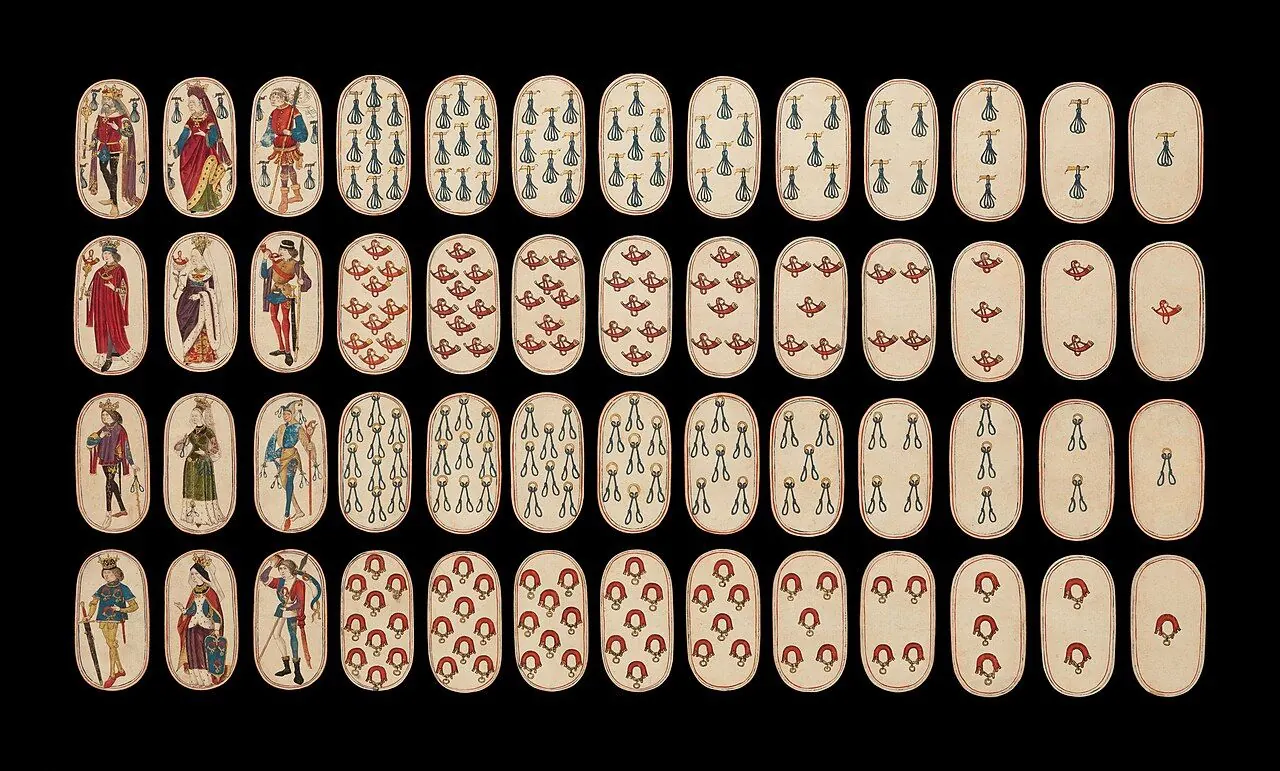
Photo: author not stated / Wikimedia Commons, CC0. Illustrative image.

Partner feature. This article was supplied by a partner and published on doo-nanny.com. It sits outside the editorial sections of the magazine. About partner content.
Luck is not just random stuff that happens. In games, luck has rules. It has odds. It has a shape. That shape can guide strong stories. In this guide, you will learn simple ways to use “chance” from games to build plot, raise stakes, and grow your characters. You will also see clear steps, real examples, and tools you can use today.
Why luck works as story
Stories need risk and surprise. Luck gives both. When we do not know what will happen, we lean in. This is true in books, films, and games.
- Uncertainty creates focus and flow. When the task is hard but fair, we feel “in the zone.” See the “flow” idea here: APA Dictionary: Flow.
- Near-miss moments feel strong. We almost win. We almost lose. This keeps us hooked. See research on near-miss here: NIH: The Near-Miss Effect.
- Games and stories can mix rules and play. Read more on this idea here: MIT Press: Rules of Play and here: MIT Press: Half-Real.
So, luck in a story should not be pure chaos. Make it “controlled chance.” Set clear odds. Show costs. Show what each try teaches the hero. This turns chance into meaning.
Game-born structures you can borrow
The run-based arc (roguelike structure)
Many games use “runs.” You try. You fail. You learn. Then you try again and get a bit better. Each run has a small arc. All runs build a big arc. This is like “fail forward” in story.
Basic beats for a run:
- Setup: goal is clear; rules are clear.
- Rising limits: space gets tighter; time runs low; resources drop.
- Turn: a boon or a bust changes the odds.
- Run climax: last push.
- Meta step: the hero learns a lesson, skill, or truth that stays.
How to use it in writing:
- Write chapters like runs. Each one has a clear goal and a new limit.
- Let failure teach. The hero gains a skill or insight that helps next time.
- Keep a “run log.” After each draft pass, jot what the hero learned.
Want to see this in action? Look at Hades (a game about many runs). See design talks on it: GDC: Game Developers Conference and the studio site: Supergiant Games Blog. For a space roguelike, see FTL: Subset Games: FTL.
Push-your-luck rhythm
In many games, you can stop and “bank” a win, or push and risk it all. This shape is great for scenes. It forces a clear choice: walk away or go on.
Basic beats:
- Safe start: small gains, low risk.
- Compounding gains: wins stack up.
- Risk spike: if you keep going, loss will hurt more.
- Choice: stop now or push.
- Result: win big, or pay the price.
How to use it:
- Heists: do we grab one more bag?
- News story: do we run the piece or double-check the risky source?
- Romance: do I send that bold text?
Tip: hint at odds before the choice. Let the outcome show the hero’s values. If they risk for a friend, that says who they are. If they chase ego, that says a lot too. For human choice under risk, see this: Nobel Prize: Work by Daniel Kahneman.
Information asymmetry and bluffing
In card games, players hide info. They bluff. Others read signs. This shape fits court scenes, spy tales, and family drama.
Basic beats:
- Secret: one side hides key info.
- Signals: they send hints (true or fake).
- Read: the other side reads right or wrong.
- Reveal: truth lands and turns the scene.
How to use it:
- Plant small tells early (speech, habits, slips).
- Let the wrong read have a cost.
- Keep the reveal fair. The reader should say, “Ah, I see it now.”
For how games use hidden info and social rules, see this classic text: MIT Press: Rules of Play.
Permadeath and irreversibility
Some games have “one shot” stakes. If you fail, it is over. This can be strong in war, survival, or tragic love stories. But use with care.
Basic beats:
- One-shot stakes: clear and high.
- Careful plan: hero checks tools, allies, time.
- Point of no return.
- Outcome that cannot be undone.
How to use it:
- Do not shock just to shock. Let the cost fit the theme.
- Let the choice feel real and fair. The hero knows the risks.
- Show grief or fallout. Honor the cost.
Loot tables and generosity curves
Games use “drop rates” to pace rewards. You can use a simple version of this for clues, mentors, tools, or chance meets. It helps you time reveals.
Basic beats:
- Set clear hope: what might “drop” next?
- Reveal at a fair pace: not too fast, not too slow.
- Let each drop change the plan.
How to use it:
- Map when key clues should “drop.”
- Mix common drops (small tips) with rare drops (big breaks).
- Do not spam wins. Let dry spells build need and push growth.
If you want more theory on how rules can shape stories and meaning, see “procedural rhetoric” here: MIT Press: Persuasive Games.
From RNG to meaning: make chance serve theme
RNG means “random number generator.” In games, it picks outcomes. In story, you can use “chance” but still serve a theme. Do this:
- Tie chance to a big idea. Fate vs. free will. Merit vs. luck. Class and luck. See a deep read on “moral luck” here: Stanford Encyclopedia of Philosophy: Moral Luck.
- Foreshadow the odds. Give the reader a sense of risk. Use simple numbers or signs.
- Make choices under risk show values. The “why” should matter more than the “what.”
- Keep outcomes fair. If a coin decides, set up why the coin matters to the character.
Great touchstones:
- The coin toss in “No Country for Old Men” (odds made moral).
- Two-Face’s coin in Batman (chance as belief system).
- The Dice Man as a warning (do not make chance the only driver).
Practical tools you can use today
- Constraint-led draft: Use a six-sided die to pick which lead fails in a chapter. Write the scene around that fail. Then ask, “What did my hero learn?”
- Probability map: For a key scene, note three outcomes and rough odds (for kids, you can say “low,” “medium,” “high”). Practice writing all three. Pick the one that best fits theme.
- Run log: After each chapter, add one line: “What new skill or truth did my hero gain?” This builds the meta-arc.
- Risk pacing: Mix safe choices with risk spikes. This keeps the reader alert. For basic odds, this free course helps: Khan Academy: Probability.
- Fair hints: Plant two small signs for each big turn. Readers feel you “played fair.”
Ethics: use luck with care
Chance can be fun. But risk can harm in real life. If you use gambling in your story, do not glamorize compulsion. Show real costs. If you share links about gambling, add help links and age notes. For support, see: BeGambleAware, GamCare, and the U.S. helpline at NCPG.
Evaluating fairness: what writers can learn from games of chance
In real games of chance, “fair” is not a guess. It is checked. Slots and tables use RNG. Labs test the code. Sites post return-to-player (RTP) ranges. Regulators audit payouts. Learn the language of fairness here: eCOGRA (testing lab), GLI (testing lab), and UKGC: RTP explained.
Now map that to your story craft:
- Signal the odds in-scene. Even a simple line like “one-in-five chance” helps the reader feel the risk.
- Show the “house rules.” What can your world do? What can it not do? Be clear and stick to it.
- Audit your own “RNG.” Ask a beta reader if the big turn felt fair. If not, add hints or adjust odds.
If you want to see how reviews judge fairness in the real world, you can read independent reviews that check licenses, labs, and RTP posts. You can also compare sites and see who is clear about testing and payouts. Use that same “check the rules” mindset in your story. When readers know the odds, they trust the ride more.
Note: Gambling has risks. If you choose to play, set limits, use licensed sites, and seek help if needed: BeGambleAware, GamCare.
Case studies
Dungeons & Dragons and actual play
Dice add swing to each scene. A failed roll can make a problem worse. But that failure also builds heart, humor, and growth. Listen to how table groups turn dice into arcs. For a broad view of tabletop design ideas, see this talk hub: GDC.
Hades: learning across runs
Hades makes failure part of the story. Each run gives new lines, new plots, and small boosts. This keeps you trying and keeps the arc fresh. Read studio insights here: Supergiant Games Blog.
FTL: risk in a map of stars
In FTL, each jump has risk. Fuel can run out. Fights are hard. You choose your path. Stakes are clear. See the game site here: Subset Games.
Common pitfalls and how to avoid them
- Pure randomness: If chance just “happens,” it feels cheap. Tie it to theme and goals.
- Over-explain: Too much math kills mood. Hint at odds, do not lecture.
- Constant permadeath: If every turn can end the tale, readers get tired. Vary risk levels.
- Deus ex machina: Do not drop a win from the sky. Plant clues so the turn feels earned.
Quick worksheets
Design a push-your-luck scene
- Goal: What is the gain if they stop now?
- Risk spike: What new cost kicks in if they go on?
- Odds: Low / Medium / High (pick one).
- Choice line: One clear line that shows why they choose.
- Aftermath: One line that shows who they are now.
Run log template
- Run number:
- Goal this run:
- New limit:
- Key fail or boon:
- Lesson that stays:
Further reading and sources
- MIT Press: Rules of Play (Salen & Zimmerman)
- MIT Press: Half-Real (Jesper Juul)
- MIT Press: Persuasive Games (Ian Bogost)
- Stanford Encyclopedia of Philosophy: Moral Luck
- Nobel Prize: Prospect theory and decision-making
- APA Dictionary: Flow
- NIH: The Near-Miss Effect
- GDC: Talks on narrative design
- Supergiant Games Blog: Hades insights
- Subset Games: FTL
- eCOGRA: RNG testing
- Gaming Laboratories International
- UK Gambling Commission: RTP explained
- BeGambleAware
- GamCare
- National Council on Problem Gambling (US)
FAQ
Is randomness just a gimmick?
No. If chance is tied to theme and goals, it adds real stakes and depth.
Do I need dice or apps?
No. But small rules can help you try new paths and avoid the same old beats.
How is this not deus ex machina?
You foreshadow odds and plant clues. Outcomes feel earned, not forced.
Can I use these tools in non-genre fiction?
Yes. Family drama, workplace tales, romance, all use risk and choice. Shape them with chance.
Conclusion
Luck is not a cheap trick. It is a tool to shape plot, test values, and reveal truth. Use run-based arcs to build growth. Use push-your-luck to frame sharp choices. Use fair odds to win trust. Start small: pick one tool above and try it in your next scene. Let chance teach your hero—and your reader—something real.