Partner feature
9 min read
Board Games, Card Games, and the Fine Line to Fine Art
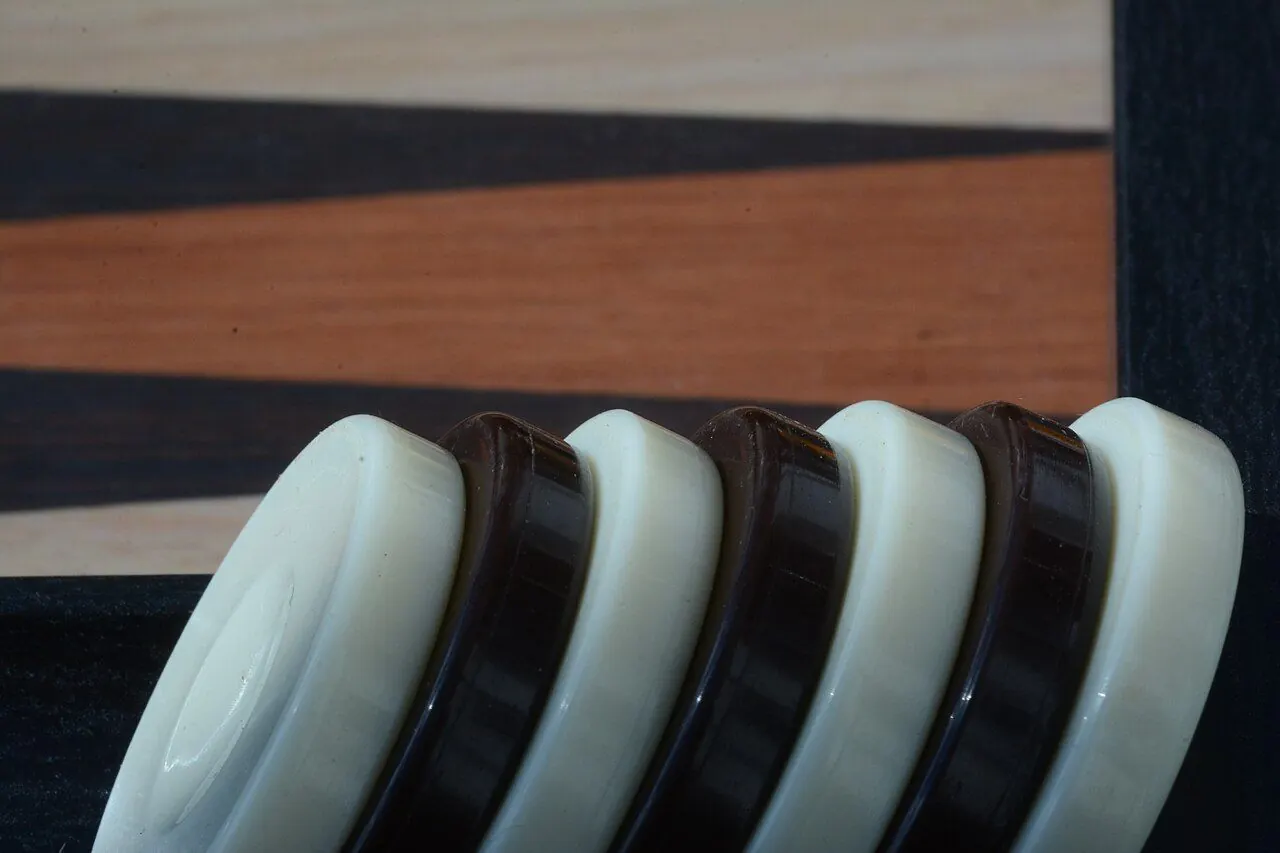
Photo: Clint Budd / Wikimedia Commons, CC BY 2.0. Illustrative image.

Partner feature. This article was supplied by a partner and published on doo-nanny.com. It sits outside the editorial sections of the magazine. About partner content.
Picture two scenes. In one, a museum light shines on a chess set made from carved ivory and gold. In the other, a worn deck of cards sits on a kitchen table, soft at the edges from many games. Both objects invite hands and minds. Both carry stories, symbols, and skill. So here is our big question: when does a game rise from “just play” to “fine art”?
This article gives clear ways to think about that line. We look at looks and feel (the art you can see and touch), and at rules and systems (the art you can play). We point to real museums and archives that show games as culture. We share a simple framework you can use when you look at your next board game or deck. We also add tips to collect and care for these objects like art. By the end, you will have tools to see play with new eyes.
Why Games Belong in the Art Conversation
Art is more than paint on canvas. Art is about ideas, form, and craft. Design is how things work and how we use them. Play is action with rules and goals. Board games and card games sit where these meet.
Think about rules like a music score. The score is not the concert. But it tells players how to make a show. A game’s rules shape time, choice, and feeling. They lead to drama and tension, much like a story or a symphony. In this sense, “mechanics” (how the game works) are an art form.
Play is also a type of performance. Players move, speak, and react. A chess match can look like dance. A poker hand can feel like theater. This is why many museums collect games, and why scholars study them as culture, not just toys.
The Visual and Tactile Aesthetics of Play
Illustration, typography, iconography
Look at the pictures on a card deck or a board. They set mood and tell small stories. The “court” cards (King, Queen, Jack) show dress, tools, and faces from a time and place. Some decks are hand-painted and rare. The Visconti–Sforza tarot at The Met is a famous example. Icons and symbols also matter. Good iconography turns complex rules into small, clear marks you can read at a glance. Type and numbers must be balanced so your eye can move with ease. These choices are like the layout of a poster or a book.
Materials, craft, and form
Form can lift play into art. Think of the cool weight of stone go stones, the shine of inlaid wood on a chess board, or the smooth snap of high-grade playing cards. Museums hold many such objects, like the Lewis Chessmen at the British Museum. Craft makers push card quality too. The United States Playing Card Company sets long-running standards for stock, cut, and finish. Modern studios like Theory11 use foil, emboss, and detailed tuck boxes to turn decks into art objects. Good craft is not just looks. It changes how the game feels in your hands and how long it lasts.
Edition, scarcity, and collectibility
Art often comes in editions. Games can too. Some decks come in small, numbered runs. Some chess sets are artist-made one-offs. Scarcity adds cultural weight and care. It also builds a scene of collectors who track history and value. For deep card history and makers, see The World of Playing Cards.
Mechanics as an Artform: Rules as the “Score”
Rules guide what you can do and what you feel. Good rules have rhythm. They pace your turns, your choices, and your risks. They also design “negative space,” the time you do not act but plan and watch. This is like silence in music or empty space in a painting. It frames the next move.
Rules can speak to ideas. Some games model trade, trust, or bluff. Some model war or peace. When a system creates meaning, and not just fun, it moves closer to art. In board games, designer names matter too. Like authors of books, they bring voice and style across many works. When a game shows strong voice and new forms, it argues for art.
When Does a Game Cross into Fine Art? A Practical Framework
Intention and cultural dialogue
Ask: Did the maker try to say something, not just make a pastime? Does the game join a bigger talk about culture, history, or craft?
Originality and formal innovation
Ask: Is there something new in the look, the build, or the system of play? New forms push the field ahead. That is a mark of art.
Context of exhibition and reception
Ask: Has the work been shown in a museum, gallery, or curated show? Are scholars, curators, or critics writing about it? Context can lift how we see a thing.
Craftsmanship and materiality
Ask: Are the materials and build at a high level? Does touch add meaning? Does the piece invite slow looking and care?
- Quick checklist: Clear intent beyond “just fun”. Fresh visual style or new mechanics. Curated context or serious reception. High craft in materials and make. Lasting impact on how others make or play.
- Clear intent beyond “just fun”.
- Fresh visual style or new mechanics.
- Curated context or serious reception.
- High craft in materials and make.
- Lasting impact on how others make or play.
- Clear intent beyond “just fun”.
- Fresh visual style or new mechanics.
- Curated context or serious reception.
- High craft in materials and make.
- Lasting impact on how others make or play.
Museums, Archives, and Exhibitions
Many top museums hold games as design and art. You can see and study them online:
- The British Museum: playing cards and game objects
- The Metropolitan Museum of Art: playing cards in the collection
- Victoria and Albert Museum: playing cards
- Cooper Hewitt, Smithsonian Design Museum: games as design objects
- Bibliothèque nationale de France (Gallica): historical playing cards
- The Strong National Museum of Play: games and play history
- The Art of Chess exhibition coverage (The Guardian)
- The Art of Chess (Saatchi Gallery)
These links help prove that games can sit in serious art and design spaces. They also let you trace styles, makers, and change across time.
Card Games: From Court Decks to Casinos
Playing cards began long ago and changed many times. Early European decks were hand-made and rich with color and gold. Over time, makers added corner indices and standard courts to speed play and make reading the cards easy. For deep history and examples, start with museum pages above and the research site The World of Playing Cards.
Tarot decks show the art side well. Some decks were used for games. Some were used for image study or belief. The Met holds parts of the grand Visconti–Sforza deck. The BnF holds many early French decks. Today, artists make limited tarots as art prints on cards.
Card backs and stocks also matter. Good backs hide marks and help fair play. Quality stock and finish change the feel in shuffles and fans. Companies like USPCC and studios like Theory11 push printing, emboss, foil, and cut. These touches show the line between “tool for games” and “object of art.”
Responsible side note: where gambling enters the picture
Some card rooms online let adults play for real money. If you look at that world, start with safety, law, and fair play. Independent review resources like naughty-poker.com compare sites by license, game fairness, and player tools. Play only if it is legal for you and you are 18+ (or the legal age where you live). If you ever feel stress from gambling, seek help: NCPG (US), UK Gambling Commission, and BeGambleAware.
Collecting, Displaying, and Preserving Games as Art
If you collect, treat games like art on paper and wood. For paper cards, keep them dry and cool. Aim for steady humidity and no sunlight. Use acid-free boxes and sleeves. For wood boards and boxes, avoid heat and wet air. Do not store in attics or damp basements. See the Library of Congress guide to caring for paper and the Canadian Conservation Institute tips for wooden objects.
Display with care. UV-safe glass can protect framed cards. Use supports that do not press or bend cards or tiles. If you frame a single card, note that a full deck has more value as a set. For very old items, wear cotton gloves and handle as little as you can. Document where and when you got each item, and keep maker notes and receipts.
The Counterargument — And a Rebuttal
Some people say, “Games are design, not fine art.” It is true that games are designed tools for play. But “design” and “art” can live in one work. A silver tea set can be both. A chair by a top designer can be both. Games can be both too, when they show clear intent, new forms, strong craft, and a place in culture. Museums and galleries already show this. See the links above to The British Museum, The Met, the V&A, Cooper Hewitt, and “The Art of Chess.” Context and authorship matter. So does impact. When a game can change how we think, look, and act, it crosses that line.
How to Evaluate Your Next Game Through an Art Lens
- Look and feel: Do the visuals and materials invite slow looking and touch?
- System: Do the rules create arcs of tension and release, like music or story?
- Voice: Can you feel a maker’s style or point of view?
- Context: Is it shown, studied, or collected by serious bodies?
- Impact: Did it start new trends or ideas others copied?
- Care: Is it made to last, with craft in stock, cut, and build?
Conclusion: When Play Becomes a Gallery
The line between games and fine art is thin and alive. It runs through rules, images, symbols, craft, and play. It shows up in museums, in private shelves, and on tables at home. With the simple checks in this guide, you can spot when a game is more than a pastime. You can also care for it like the art it is. If you have a favorite game or deck that fits this idea, share it with others and say why. That is how the conversation grows.
FAQ
Are board games art or design?
They can be both. A game is a designed system you can use. But it can also be art when it shows intent, new forms, strong craft, and impact on culture. Many museums collect games as design and as art. See examples at the Cooper Hewitt and the V&A.
Have museums exhibited board or card games?
Yes. Major museums hold and show them. The British Museum and The Met have large card and game collections. “The Art of Chess” showed artist-made chess sets in galleries. See the British Museum, The Met, and Saatchi Gallery links.
What makes a playing card deck collectible?
Factors include age, condition, art quality, maker, print run size, and story. Limited editions and artist decks tend to rise in value. Good craft, like foil, emboss, and special stock, also adds appeal. See makers like USPCC and studios like Theory11 for examples.
How do game rules function as art?
Rules shape time, choice, and emotion. They can build tension and release, surprise and calm, like music or film. When rules carry ideas and create meaning, they act like the “score” of a performance. Players “perform” the piece each time they play.
How should I store vintage card decks?
Keep them cool, dry, and dark. Use acid-free boxes and sleeves. Avoid bending and oils from hands. Do not place them in direct sun. For guidance, see the Library of Congress care for paper. For wooden boxes or boards, see the Canadian Conservation Institute tips.