Selling Art at Festivals
Juried applications, show fees, a sales tax permit and a weatherproof booth are what stand between a maker and a first good weekend of sales.
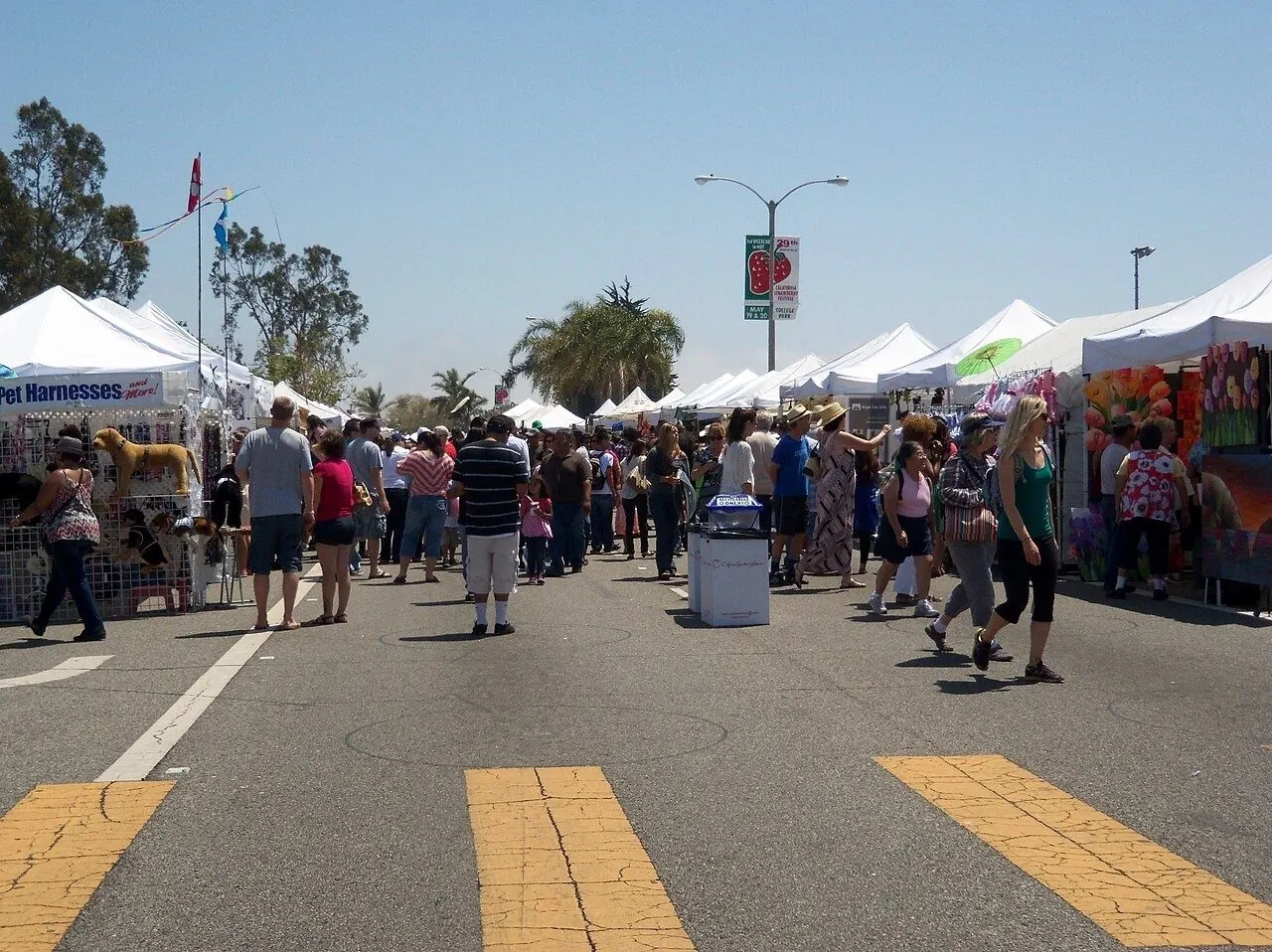
Photo: Clotee Allochuku-Albritton / Wikimedia Commons, CC BY 2.0. Illustrative image.
Selling your art at festivals and fairs comes down to three things: applying to the right shows through the right platform, budgeting for fees and setup, and meeting your state's tax rules. Get those right and the booth itself becomes the easy part.
Applying to Shows
The first step is to find the right shows and apply the way each one asks. Most established art fairs are juried, and one of the most widely used application systems is ZAPP, which lets artists apply online to multiple art shows through one central website. ZAPP is free for artists, but shows charge their own application fees and booth fees. Once you've submitted your applications, the My ZAPPlications page lets you see their status, track payments and access event information.
Read each show's Event Information Page carefully, because the rules differ from one event to the next. It lists the application open date, any early-bird and late-fee deadlines, the application deadline and the notification date, along with image requirements, application fees, how many applications one artist may submit, booth details, rules and jury information. Many shows ask for a set number of images plus a booth shot, a photo of your full display. Follow the guidelines exactly, and contact the organizer through the listing if anything is unclear.
Costs and Paperwork
Application and booth fees are charged by the individual events, not the platform, and on ZAPP they are paid through its online checkout: the application fee when you apply, the booth fee once you're accepted. Application fees are often nonrefundable, so apply only to shows that fit your work. Fees and deadlines change, so check each show's own listing at the time you apply.
On top of that, you'll need to consider sales tax. Rules vary by state, so check with your state's tax agency and the show's organizer before you sell. In Texas, for example, sellers at fairs, festivals, markets and shows, including sellers from outside the state, are engaged in business and must have a Texas Sales and Use Tax Permit if they sell taxable items or services. The permit can be obtained through the Texas Online Tax Registration Application, by mail or in person at a field office.
Setting Up the Booth
Once you've been accepted, it's time to plan the booth. The specifics depend on the venue, so follow the show's guidelines. The basics include:
- A tent or canopy that meets the show's size rules
- Walls, panels or racks to hang and display work
- Weights or tie-downs to anchor the tent
- A table, packaging and bags for sales
- A way to take card payments as well as cash
Be prepared for unpredictable weather, including wind and rain, and keep small, valuable pieces where you can see them. Be mindful of price points, too: a range from small works or prints to major pieces lets more visitors buy something. Collect contact details from interested buyers so you can follow up after the show.
Before every event, double-check the application page and prospectus for deadlines and instructions, expect last-minute changes, and follow the booth rules. Careful preparation is what turns a first booth into a repeat invitation.