No-Budget Filmmaking Guide
How filmmakers finish a film with borrowed gear, free locations and friends, and why the paperwork matters as much as the camera.
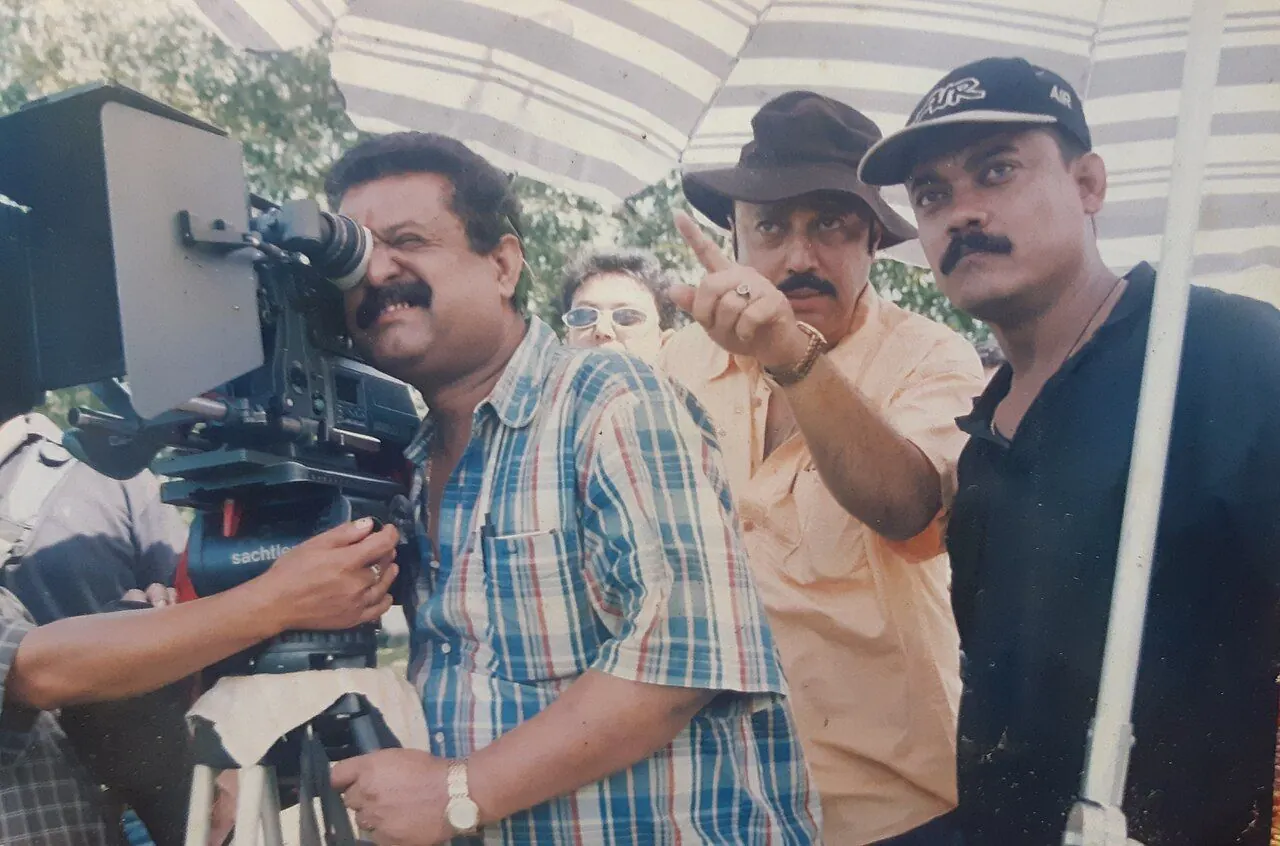
Photo: Laitkorian / Wikimedia Commons, CC BY-SA 4.0. Illustrative image.
No-budget filmmaking means writing the film around what you already have, keeping it small enough to control, and spending effort instead of money on the two things that cannot be faked: clean sound and clear permissions. A modest story, done well and fully cleared, can travel much further than an ambitious one that stalls.
Write around what you already have
Start from an inventory, not an idea: the places you can use for free, the props and clothes already in reach, the friends who can act, and the gear you own or can borrow. Reuse friends' clothes and props rather than investing in period costumes, and shoot in locations you can get permission for, not in famous places that would be too expensive. Keep the cast and the number of locations small; every extra person and move adds a day, a meal and a chance for the shoot to fall apart.
The best-known case is Robert Rodriguez's El Mariachi, shot in two weeks in Ciudad Acuña, Mexico, for a total of about $7,225, part of which he raised by taking part in drug trials at a medical research facility. According to the Sundance Institute, a lead actor's family connections opened up a ranch, a bus, bars and a jail for free, most shots were done in a single take, actors doubled as crew between takes, and real security guards appeared in their own uniforms so no costumes were needed. The film won the Audience Award at the 1993 Sundance Film Festival, and the Library of Congress added it to the National Film Registry in 2011.
Sound first, then picture
Poor sound is one of the first things audiences notice, so take care of it before you worry about art direction. A borrowed external microphone placed close to the actors, a quiet room and a minute of recorded room tone at each location will do more for the film than a better camera. Borrow gear before you rent it, and rent only what you truly cannot borrow. Feed the people who work for free, credit them properly and give them a copy of the finished film; on a no-budget shoot, goodwill is the budget.
Releases and music rights
Paperwork is free, and skipping it can keep a finished film out of festivals and off platforms. The basic releases are:
| Release | What it covers | Who signs |
|---|---|---|
| Location release | Permission to film on a property and use it in the film | The owner or the person responsible for the place |
| Appearance (talent) release | Use of a person's image and voice | Each actor and crew member who appears; a parent or guardian for anyone under 18 |
| Materials release | Artwork, props or footage owned by someone else | The owner of the material |
| Music release | Use of a specific piece of music | The composer or rights holder |
Music may seem simple in the no-budget world, but it requires careful handling. Using an existing song takes two permissions: a synchronization license for the composition and a master-use license for the recording, which may belong to different owners. Recording your own version of a composition still requires the sync license unless the composition is in the public domain. The cheapest safe routes are original music written for the film by a friend who signs a release, tracks licensed for film use, or public-domain compositions performed by your own musicians; keep proof that anything you use is public domain.
The practical takeaway: a no-budget film survives by getting the story small, the sound clean and the paperwork signed before it tries to look bigger than it is. If you can get the clearances sorted and the audio right, a film can hold an audience even with borrowed clothes and found props.