Partner feature
8 min read
The Card Table in Impressionism: Light, Leisure, and Luck
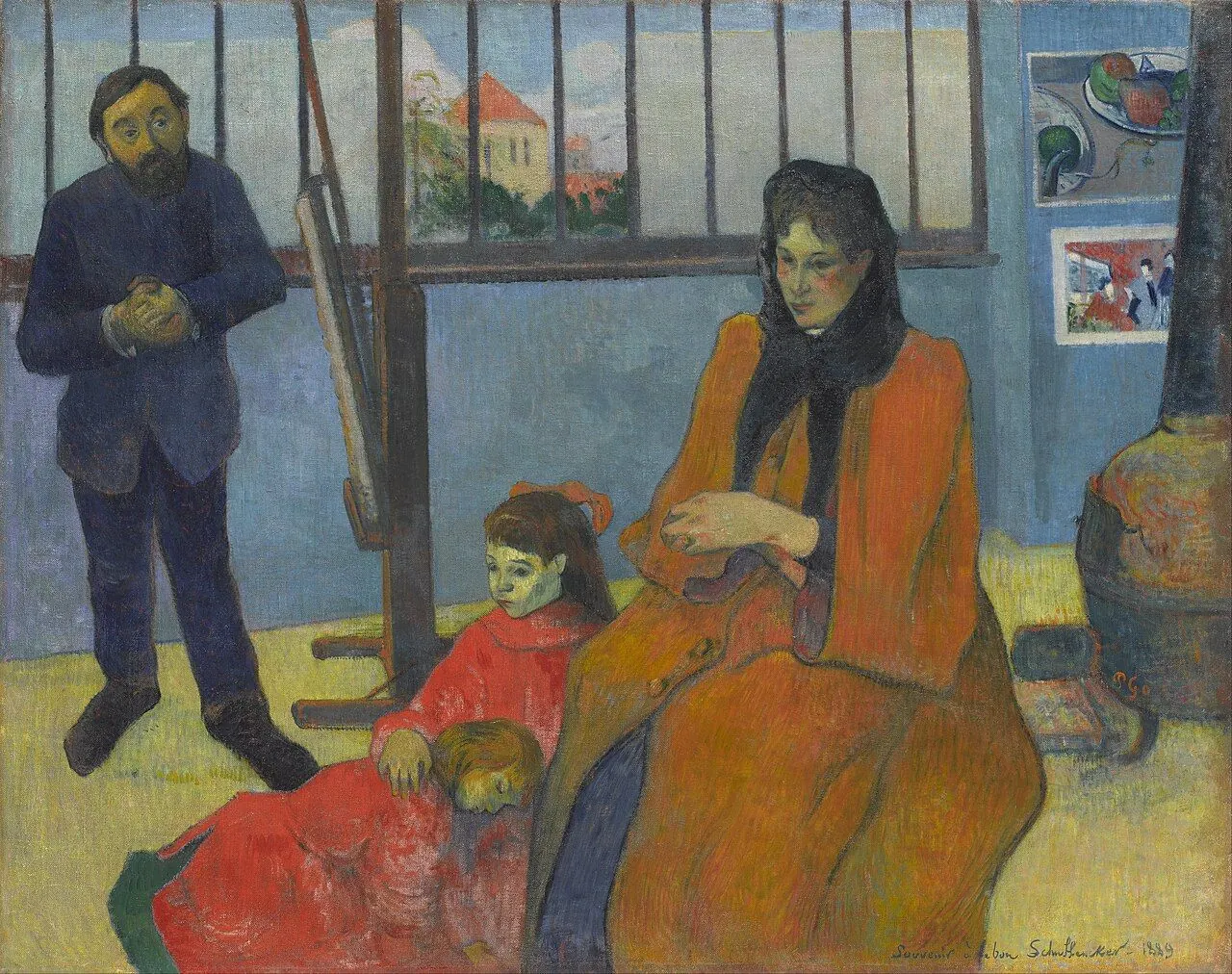
Photo: Paul Gauguin / Wikimedia Commons, Public domain. Illustrative image.

Partner feature. This article was supplied by a partner and published on doo-nanny.com. It sits outside the editorial sections of the magazine. About partner content.
A room you can almost hear
The room is small. Wood creaks. Two men lean in. Cards slide. A pipe glows at the edge of the frame. A bottle throws a dull shine. The light is not loud. It sits on sleeves, on hats, on the pale grain of the table. No one smiles. Time hangs. You feel it: chance lives here, but in a quiet way.
A plain claim
This is our path: in Impressionist art, the card table is more than a game. It is a stage for light, a code for class and leisure, and a sign of luck and risk. We will look close, slow down, and read what the brush says about how people met, played, and thought about chance in a new age.
The room around the table: 1870s–1890s
In late 19th‑century France, life sped up. Trains cut through fields. Boulevards spread. People met in cafés, homes, and new clubs. The card table sat between work and rest. It bridged habits of the village and dreams of the city. Painters tracked this shift. They watched how light touched cloth, glass, paper, and skin. They turned simple rooms into maps of modern life. For a wider frame on this mix of art and daily life, see the Met’s Impressionism and modern life timeline essays.
In the gallery, you sense two worlds. One is soft, warm, inside the home. The other is bright, fast, in the street or the café. Both feed the card table theme. Artists tried to fix this split in paint. If you want an easy, non‑technical start to the movement, the National Gallery has a clear gallery overview of Impressionism.
The café also shaped the scene. Mirrors, smoke, and noise made a strange stage. Drinks and songs blurred into play and flirt. While not a card scene, Manet’s famous bar shows this charge of light, glass, and gaze; it helps read the mood around leisure. A quick, rich primer sits at Smarthistory: Manet’s bar at the Folies‑Bergère.
Light as the dealer
In many of these works, light deals the hand. Brush marks catch a knuckle or the lip of the table. A cool patch of wall calms the eye. A warm patch of sleeve warms the room. Shadows hold the players in place like soft straps. You see chance and focus at once: a flash here, a hush there. The feel is not drama. It is steady, hushed work, like shuffling itself.
We also meet risk in small signs. A glass near the edge. A bent card. A coin half seen. Such tiny notes tell us the stakes are real, even when faces look calm. You may not know the rules. Still, you read the scene. Your eye goes card—hand—light—back again. That loop is the game.
Close looking I: Cézanne’s Card Players
Let’s sit with Paul Cézanne. His series The Card Players (1890s) is quiet, almost stern. Two or more men lean over a plain wood table. The space is tight. The paint is thick. The colors sit low: ochres, cool blues, dull reds. If the café is a stage, this is a workshop. Cézanne strips the scene to weight and balance. Shoulders are blocks. Hands are tools. The game reads like labor—slow, exact, repeatable. For deep notes on one version, try the Courtauld’s Card Players research.
The series changes across versions, and those changes matter. In one, two men play in near silence. In others, more figures join, but no one breaks the spell. The hats, the pipe, the bottle: they shift place but still mark calm and measure. You can compare a major version in Philadelphia; the Barnes Foundation’s version shows how weight, gaze, and edge control shape the whole mood. Count the beats: table edge, card angle, fold of sleeve, bottle neck. It is almost musical.
Close looking II: Not only Cézanne—interiors and bezique
Other painters keep the theme but change the tune. Gustave Caillebotte paints a well‑lit room where friends play bezique. We feel soft daylight from the side, neat clothes, clear glass, fine wood. It is a code for an upper‑middle‑class home. No smoke storm. No bar noise. Just skill and ease. For context on this era and artists tied to it, the Musée d’Orsay catalogue entry pages help.
Renoir turns up warmth. His players glow a bit. Flesh tones are rosy. Edges blur. The table is a place for talk and charm. Pissarro, by contrast, brings the game to the village. The men are peasants. The light is wide and gray. It is a hard day’s rest. Class shows in hands and coats. Chairs, hats, and the size of the room tell us who these people are. The game stays the same, but the world around it shifts with each brush.
A field guide to card tables on canvas
Use this table as a quick map. It lists what to scan when you stand before a card‑table scene: light, place, class codes, and small signs of chance. It is not a full list of works. It is a guide to looking.
| Paul Cézanne | The Card Players (one version) | c. 1890–1895 | Rural/domestic | Cool, steady light; muted earth tones; firm edges | Quiet focus; labor‑like play; no show | Clay pipe, bottle, hats, thick cards | Notable: Courtauld; Barnes; versions in other major collections | Large zoom on museum sites and Google Arts & Culture | Conservation and formal studies stress weight and balance |
| Gustave Caillebotte | The Bezique Game | c. 1880–1881 | Bourgeois interior | Side‑window daylight; soft fabrics; clear glass tones | Etiquette, calm talk, polite leisure | Bezique cards, score pad, pen | Seen in major Impressionist surveys; check museum catalogues | Zoom on museum pages; some versions on GA&C | Curatorial notes often link it to Paris home life |
| Pierre‑Auguste Renoir | The Card Players | 1890s | Domestic | Warm glow; rosy skin; soft edges | Ease, charm, mild talk while playing | Decanter, cards, fruit dish at times | Various collections; check museum catalogues | High‑res on museum sites | Essays note the social warmth vs quiet focus |
| Camille Pissarro | The Card Players | 1890s | Rural | Diffuse day light; gray‑blue air; simple wood | Peasant rest; dignified calm | Hats, work coats, plain cards | Several versions in European and US museums | Zoom on museum pages | Notes stress class, labor, and rest |
| Edgar Degas (context) | Café scenes (not card‑centric) | 1870s–1880s | Café | Sharp indoor light; mirror tricks | Urban pace; private acts in public | Newspapers, glasses, menus | Major museum collections | Zoom on museum sites | Use as a mood key for café settings |
So, which game is it?
Many 19th‑century scenes show bezique. It is a trick‑taking game with a special score for card pairs. It needs attention and a bit of memory. If a pad and pencil sit near the deck, that is a clue. For a clear, short read, see Britannica’s page on what is bezique.
Card style and decor also tell a story. Fancy backs mean a home game. Brown, worn cards fit a village. Some scenes might show écarté or other games. The exact rules matter less than the social frame. For a fast look at how cards changed as objects, the V&A’s history pages on the history of playing cards help you spot types and dates.
From smoke to screen: why this still matters
Why care now? The card table is still with us. It moved from oak to glass, from glass to screen. The ritual stayed: sit, focus, weigh risk, read the room, hold your nerve. Today, “the room” may be a lobby in an app. You still need trust and a fair deal. If you look at platforms with a cool head, a simple, criteria‑led view helps. One place that keeps it plain is Winningbetpronostici.com. Read for clarity on license, game lists, payout speed, and basic safety. No hype, just checks you can verify.
Modern rules matter too. Clear tools for limits and self‑exclusion are not a side note. They shape the whole scene of play, online and off. If you want the baseline in the UK, see the UK Gambling Commission guidance. For industry data and standards in the US, the American Gaming Association report is a good hub. Culture, light, and chance do not live in a void; they live in rules and habits we agree to keep.
Back a step in time: cheats and symbols
Before Impressionism, painters often cast card play as a moral tale. Think of dark rooms, sharp stares, a hidden ace. In such works, the point was vice, not leisure. A famous early case is Georges de La Tour’s trick scene—see the Wallace Collection note on La Tour’s The Cheat. In contrast, the Impressionist card table is less about sin and more about looking. It asks: how does light sit on hands and wood? How do people share time? What do small risks say about a life between work and rest?
Visit notes: how to see these works well
Stand a bit off‑center first. Catch the table edge in your side view. Then step close and watch the paint skip on a knuckle or glass rim. Step back again to see the rhythm of shapes. If you cannot travel, many museums share zoomable high‑res images online. On a laptop, dim the room, set the view to full screen, and scan edge to edge. Let your eyes move like a slow pan across a film shot.
Quick Q&A
Why did Impressionists paint card tables so often?
Because the theme let them study light on flat planes, hands in action, and quiet social ties. It gave shape to the new culture of leisure.
Which game shows up the most?
Often bezique. You can spot it by the score pad and by pairs that matter for points. Yet some scenes may show écarté or other games; props and pose help you guess.
How does light change the meaning?
Side light with cool tones makes a calm, sober mood. Warm glow with soft edges hints at talk and ease. Harsh café light adds buzz and public tension.
Where can I see these paintings now?
Major museums in Europe and the US hold them. For a safe start: the Courtauld and the Barnes (for Cézanne), plus large Paris and London museums for related works. Many offer high‑res online views.
What sets Cézanne apart from Renoir or Pissarro?
Cézanne treats play like work: weight, balance, strict edges. Renoir warms the room and softens edges. Pissarro brings rural life and quiet dignity to the table.
Sources, notes, and how this was built
This article draws on museum essays, collection entries, and standard art‑history surveys. Facts on artists, dates, and themes were checked against museum pages and reference sites named above. For a short, structured primer on the movement, see MoMA Learning’s overview of Impressionism (MoMA). All links were current at the time of writing. Paintings named here sit in more than one version or collection; confirm the exact object on the museum site before you visit.
About the author: Art writer with coursework in 19th‑century painting, regular visits to European and US collections, and many hours of “close looking” in front of Cézanne, Renoir, and Pissarro. This piece was fact‑checked against public museum resources.
Last updated: 2026‑07‑11