Partner feature
8 min read
Monte Carlo’s Belle Époque: Where Culture Met the Casino
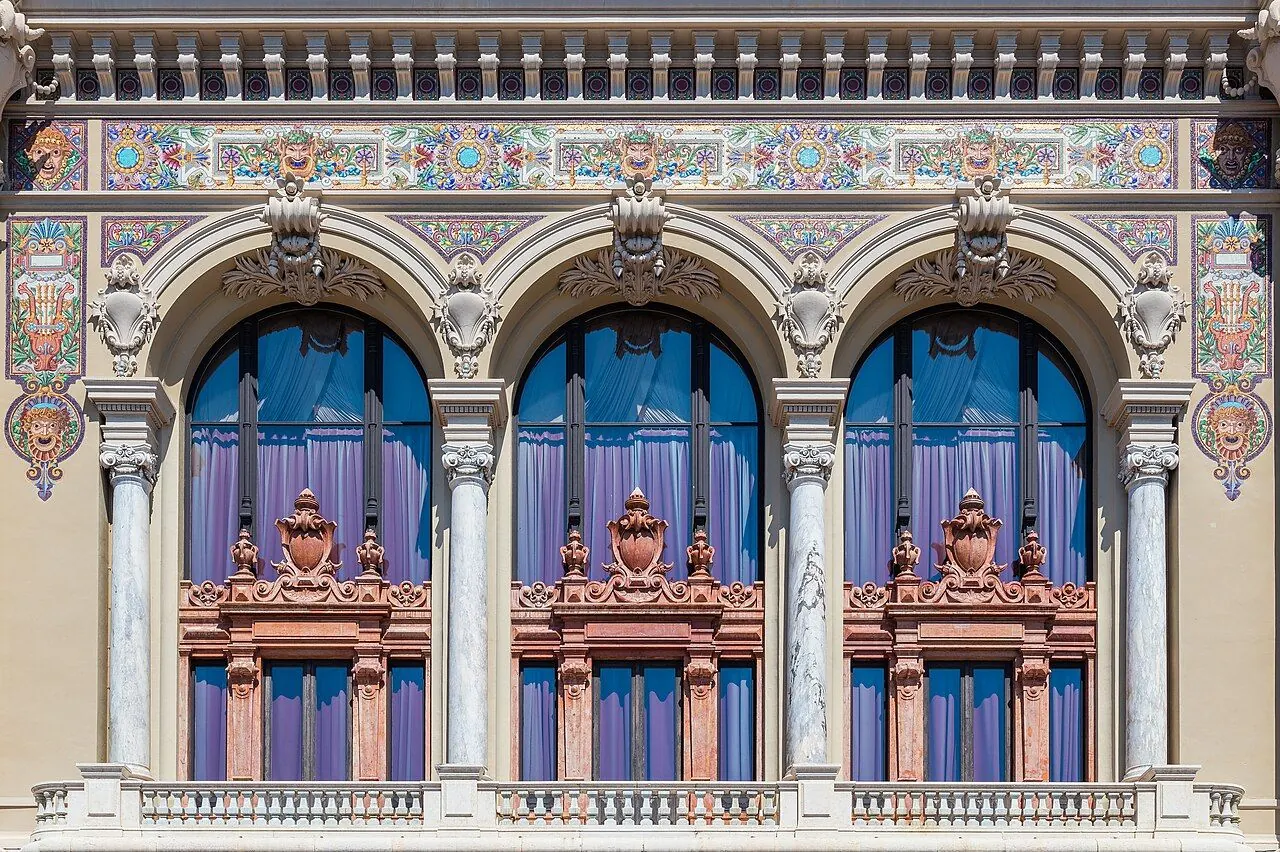
Photo: Diego Delso / Wikimedia Commons, CC BY-SA 4.0. Illustrative image.

Partner feature. This article was supplied by a partner and published on doo-nanny.com. It sits outside the editorial sections of the magazine. About partner content.
Picture bright lights, fine music, and people in evening dress. Picture grand halls with gold and glass. Picture a casino that paid for opera, hotels, gardens, and more. This was Monte Carlo in the Belle Époque. It was a time when art and play stood side by side. In this guide, you will learn what made that age special, who built it, and how you can still feel it today.
What was the Belle Époque?
The Belle Époque ran from the 1870s to 1914, the start of World War I. In Europe, it was a time of hope, new tech, and big art. Trains spread fast. Cities grew. People loved music, dance, and fine style. In Monaco, this age took a bright form in Monte Carlo: grand buildings, famous shows, and a casino at the heart of it all. For a clear overview of the era, see Encyclopaedia Britannica’s page on the Belle Époque: Britannica: Belle Époque.
Before the glamour: Monaco’s turning point
Monaco was small and in need of income. Its rulers looked for a plan. In the 1860s, Prince Charles III backed a new idea: build a resort by the sea, with gardens, hotels, and a casino. A company, the Société des Bains de Mer (SBM), would run the plan. The goal was simple: attract visitors who loved culture and comfort. In 1869, Monaco also cut personal income tax for residents. This made the place even more attractive to the rich. You can read SBM’s official history here: Monte-Carlo Société des Bains de Mer. For Monaco’s broader past, see Britannica: Monaco and the official tourism site: Visit Monaco.
Building a stage for elegance
Casino de Monte-Carlo and Société des Bains de Mer
The Casino de Monte-Carlo was more than a place to play. It was the engine for the city. Money from games helped build roads, parks, hotels, and the opera. The casino gave a steady flow of money so culture could grow. This was not luck; it was a plan. The plan was to link play and art so each would support the other. Learn more on SBM’s official casino page: Casino de Monte-Carlo (Official).
Charles Garnier’s legacy: Opéra de Monte-Carlo (Salle Garnier)
To show that Monte Carlo was serious about art, Monaco invited architect Charles Garnier. He is also known for the Paris Opéra. In 1879, the Opéra de Monte-Carlo, often called the Salle Garnier, opened its doors. The hall is small but very fine. It has red and gold, mirrors, and soft light. The sound is clear. The view is grand. From its first seasons, the opera house drew top names and new works. For details and current shows, see the official opera site: Opéra de Monte-Carlo, and for the architect, see Britannica: Charles Garnier.
Grand hotels and social hubs
Guests needed fine places to stay and meet. The Hôtel de Paris and the Hôtel Hermitage set the tone. They had marble halls, grand staircases, and winter gardens with glass domes. People met at the Café de Paris near the casino. They read the papers, watched the square, and planned their nights. These places were not just rooms; they were stages for daily life. See the hotels on the official SBM site: Hôtel de Paris Monte-Carlo and Hôtel Hermitage Monte-Carlo.
Culture in the spotlight: opera, ballet, and high society
At the Opéra de Monte-Carlo, famous voices sang. Works by Jules Massenet and Camille Saint‑Saëns had important moments here. Star singers like Enrico Caruso drew full houses. The opera was elegant, but it was also lively. It was a meeting point for guests from Paris, London, St. Petersburg, and New York.
Dance also found a home here. Serge Diaghilev’s Ballets Russes used Monte Carlo for rehearsals and seasons in the 1910s. Their shows mixed bold music, new dance, and strong color. This spirit fit the Belle Époque mood. For a short history of the Ballets Russes, see Britannica: Ballets Russes.
The social choreography of play
Play in the casino had strict rules. People dressed well. Staff watched the tables with care. The scene had a rhythm: arrive at the square, greet friends, see a show, then visit the gaming rooms. It was not only about winning. It was about being seen, learning the rules of the room, and enjoying the set and the music of voices and chips. The casino became a theater of chance and manners.
Money, modernity, and the Riviera railway
Trains made it easy to reach Monte Carlo. In the late 1860s, the rail line along the Riviera linked Monaco to Nice, Marseille, and Italy. The trip was much faster than before. More guests came and stayed longer. The casino and hotels gained steady income, and this money went back into the city.
Monaco also built places for science and learning. The best example is the Oceanographic Museum, opened in 1910 under Prince Albert I. It sits high on a cliff and looks like a palace of the sea. Inside, the museum mixed research, displays, and a love for the ocean. That fit the Belle Époque idea that beauty and knowledge can go hand in hand. See the official site: Oceanographic Museum of Monaco. For Prince Albert I, read Britannica: Albert I.
Architecture and design details
Monte Carlo’s look was rich but not heavy. Many buildings used the Beaux‑Arts style. This means grand fronts, clear lines, and fine stone work. Inside, you could see Belle Époque and Art Nouveau touches: flowers in iron and glass, painted ceilings, warm light, and soft chairs. Winter gardens with palm trees let people meet in comfort even in cooler months. The design made social life easy. It told guests, “Stay, walk, talk, and enjoy.”
A day and night in Belle Époque Monte Carlo
Morning: sunlight hits the square. You walk past the Hôtel de Paris. You smell fresh coffee from the café. The sea is bright. You see people reading papers on the terrace.
Afternoon: the salon is calm. Friends meet and plan the evening. A dress is fitted. A tux is pressed. A carriage stops by the steps.
Evening: the opera lights glow. The hall is red and gold. The soprano takes the stage. The sound fills the room. People clap and smile.
Night: the casino doors open. The room is quiet, then busy. Chips click. Cards slide. People stand and watch. Some play. Some just enjoy the scene. Outside, the air is soft, and the square shines.
Shadows behind the shimmer
This bright scene had a darker side. Not all people could join. The wealth on show hid deep gaps. Some saw casinos as a moral risk. Some people lost more than they could afford. The city and the casino tried to set rules, protect the brand, and keep order. But risk was part of the model. It is fair to admire the art and the design. It is also fair to note the strain and debate that came with them. When we tell this story, we should keep both light and shadow in view.
What remains today—and how to experience it
You can still see much of this world. You can tour the Casino de Monte‑Carlo. You can book a seat at the Opéra de Monte‑Carlo and enjoy a concert or a full opera. You can visit the Oceanographic Museum and stand on its terrace above the sea. You can walk through the lobby of the Hôtel de Paris or the Hôtel Hermitage and look at the details. The square, Place du Casino, is still a stage. To plan your trip, use official pages like Visit Monaco, the Monte‑Carlo SBM site, the Opéra de Monte‑Carlo, and the Oceanographic Museum.
Tip for a dressy night: check the dress code for the casino and the opera before you go. Some rooms ask for jackets and closed shoes. For the opera, smart dress is best. Arrive early so you can see the foyer and the hall. For the casino, have ID with you.
If you want to learn how games work or compare licensed online options before you visit, you can read neutral guides and reviews. One place you can start is bonanza-slot.com. When you use any review site, look for clear notes on licenses, game RTP, payment rules, and safer play tools. Read their disclosures, and only use sites that are legal where you live.
If you like old images, you can also explore free digital archives. The French National Library has many posters and postcards from the Belle Époque: Gallica (BnF). Europeana also has photos and prints from that time: Europeana. These sources help you see the style and mood of the era.
Responsible gambling
Gambling is a form of entertainment, but it has risk. Set a budget. Set a time limit. Never chase losses. Do not play if you feel stress, anger, or pressure. Only play where it is legal for your age and your country (18+ or 21+, depending on the law). If you need help or advice, please see these support links:
- GamCare (UK)
- National Council on Problem Gambling (US)
- BeGambleAware (UK)
- Gambling Therapy (global)
If you use review sites, check their policies. Many use affiliate links. Read how they test brands and how they earn money. Pick sites that put player safety first.
Quick FAQ
What is Monte Carlo’s Belle Époque?
It was a golden age from the 1870s to 1914 when Monaco mixed casino income with big plans for art and style. The casino helped fund the opera, hotels, and public spaces. The result was a unique blend of culture and leisure on the Riviera.
When was the Belle Époque in Monaco?
Roughly from the late 1860s, when the plan for Monte Carlo took shape, to 1914, when World War I began. These years saw fast growth, famous shows, and strong design.
Who designed the Opéra de Monte-Carlo?
French architect Charles Garnier, also known for the Paris Opéra, designed the Monte Carlo opera house. It opened in 1879 and is often called the Salle Garnier.
Did the casino fund Monaco’s cultural boom?
Yes. The Casino de Monte‑Carlo, run by the SBM, brought in money that helped pay for the opera, hotels, gardens, and events. This funding model linked play and culture.
Can visitors still enjoy Belle Époque venues today?
Yes. You can tour the Casino de Monte‑Carlo, attend the Opéra de Monte‑Carlo, visit the Oceanographic Museum, and see grand hotels like the Hôtel de Paris and Hôtel Hermitage.
Sources and further reading
- Encyclopaedia Britannica: Belle Époque
- Encyclopaedia Britannica: Monaco
- Encyclopaedia Britannica: Charles Garnier
- Encyclopaedia Britannica: Albert I, Prince of Monaco
- Monte‑Carlo Société des Bains de Mer (official)
- Casino de Monte‑Carlo (official page)
- Opéra de Monte‑Carlo (official)
- Oceanographic Museum of Monaco (official)
- Visit Monaco (official tourism)
- Gallica (Bibliothèque nationale de France) – historical images
- Europeana – Belle Époque collections
Note: Check each venue’s official site for opening hours, dress code, and ticket rules. Details can change by season.