Partner feature
9 min read
The Opera of Risk: Gambling Motifs from Carmen to Contemporary Stage
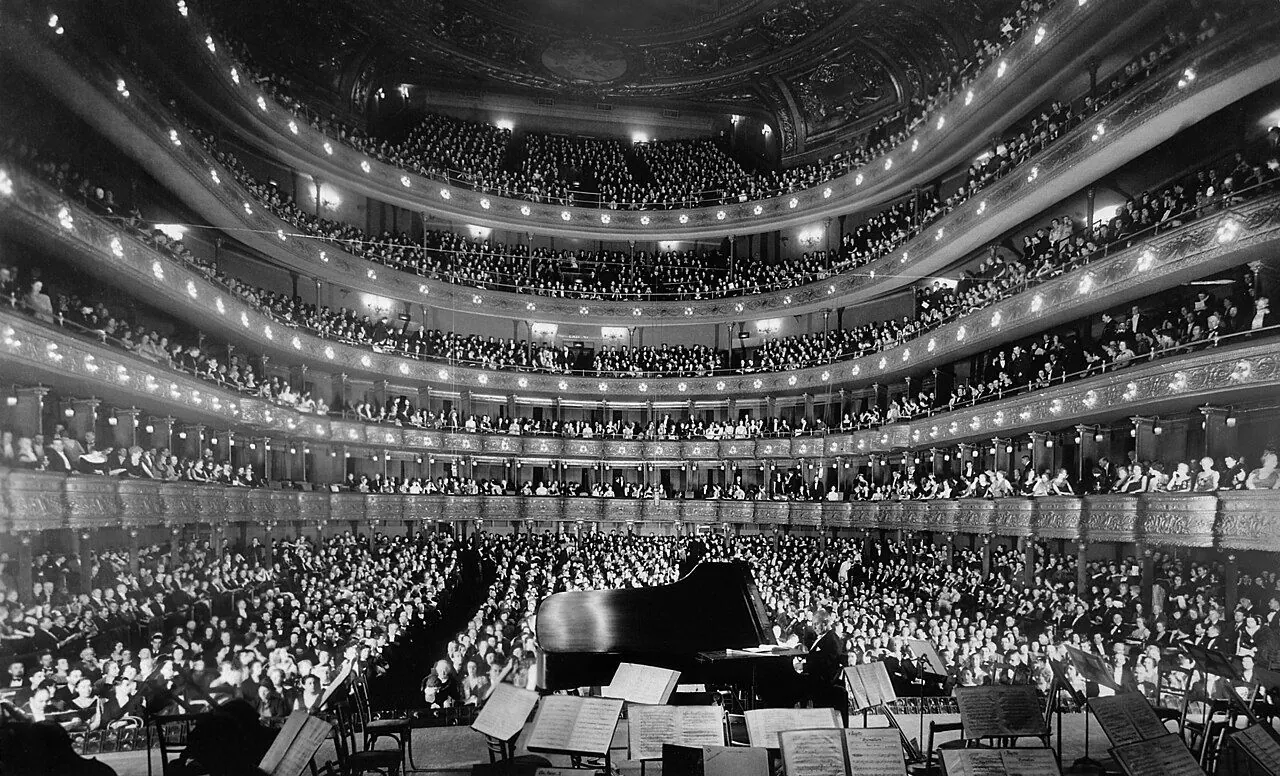
Photo: Unknown or not provided Retouched by Mmxx / Wikimedia Commons, Public domain. Illustrative image.

Partner feature. This article was supplied by a partner and published on doo-nanny.com. It sits outside the editorial sections of the magazine. About partner content.
Opera loves risk. Cards, dice, and bets show what people want, fear, and hide. From Carmen’s tarot to bright casino stages today, gambling on stage shows how chance can shape a life.
Key takeaways
- Gambling in opera can be a real card game or a symbol of fate and choice.
- Carmen’s tarot scene makes risk feel cold and sure, like fate you cannot stop.
- In 19th-century stories, the card table shows class, money, honor, and shame.
- In Russian works, gambling often turns to dark need and true obsession.
- Modern shows use casinos to talk about power, greed, and the price of a life.
What do we mean by “gambling motifs” in opera?
Gambling motifs in opera are scenes, signs, and musical tricks that show risk, chance, and the cost of obsession.
Sometimes we see real play: baccarat, roulette, or dice. Sometimes the “game” is life itself. A character makes a bet with fate, love, or their own soul. Music helps us feel the push and pull. If you want short opera guides for many titles, the Metropolitan Opera keeps clear synopses you can read, like for Carmen, La traviata, and The Queen of Spades.
Fate on the cards: Carmen’s tarot scene and the sound of inevitability
In Act III of Carmen by Bizet, Carmen sits with her friends and reads tarot. At first, the cards seem fun. Then the tone shifts. The chords grow dark and low. An even, repeating figure in the orchestra keeps going like a slow clock. It feels like doom. You can check a short plot on the Met Opera page and a production background at the Royal Opera House.
Why does it work? We watch Carmen stare at her fate. She sees death in the cards and accepts it. We know more than other people in the story. That gives a tight, sad thrill. The scene also shows how a small game can hold a big truth. Many productions change the look: some use a Romani camp; others use a club or a smoky back room. But the feeling of “it must happen” stays.
Nineteenth-century salons and the thrill of the table
La traviata: Baccarat at Flora’s—honor, money, and power
In Verdi’s La traviata, Act II, Scene 2, a whole party watches as Alfredo wins big at cards. He throws the money at Violetta’s feet. It is cruel. The card game is more than a game. It is a public stage for shame and pride. The Met gives a clear scene guide here: La traviata synopsis. The Royal Opera House also writes how the party scene shows class rules: ROH La traviata.
Manon (Massenet) and Manon Lescaut (Puccini): Parisian glitter, fast ruin
Two “Manon” operas share a theme: joy turns to risk, then to loss. In Massenet’s Manon, the Hôtel de Transylvanie scene is hot with games, charm, and cash. The game air pulls Manon in. See ROH’s page for context: Manon at ROH. In Puccini’s Manon Lescaut, the feel is raw and urgent, less light, more push. The gambling world shines, but it burns fast. The Met gives a helpful outline: Manon Lescaut synopsis.
The Queen of Spades (Tchaikovsky): obsession, superstition, and ghostly odds
Tchaikovsky’s The Queen of Spades turns a card trick into a life trap. Herman hears a rumor: there are three magic cards that always win. He cannot let go. The music shows his mind: a tight theme comes back again and again, like a thought he cannot stop. Stagings play with light and shadow to make the Countess seem real and unreal. Read the Met’s guide: The Queen of Spades. For Russian context, the Mariinsky Theatre gives history and cast info.
From addiction to allegory: Russia’s The Gambler and the anatomy of compulsion
Prokofiev’s The Gambler
Prokofiev made roulette the heart of his opera The Gambler. The music jumps and stops like a table in play. Rhythms turn sharp, then soft, then sharp again. It feels like risk. This opera is set in a spa town full of people who wait for a rich relative to die. They bet on that, too. The story comes from Dostoevsky, who knew gambling pain first hand. A good short work page is on the publisher’s site: Boosey & Hawkes. You can also see a Russian house’s view here: Mariinsky: The Gambler.
20th–21st centuries: casinos, capitalism, and risk culture on stage
Weill’s Rise and Fall of the City of Mahagonny
In Mahagonny, Kurt Weill and Bertolt Brecht show a city where “the only crime is no money.” People bet on food, drink, even death. The music is catchy, but the message is hard: when all is for sale, people lose their souls. The Kurt Weill Foundation has a strong work page with notes and history.
Porgy and Bess: craps as ritual and chaos
In Gershwin’s Porgy and Bess, dice games are part of street life. They bring the community close, then set it on fire. The crowd energy, the calls, the beat—these sounds show how chance can shape a day. See background on the composer site: Gershwin: Porgy and Bess. The Met also has a short guide: Met: Porgy and Bess.
The Rake’s Progress: wagers of the soul
Stravinsky’s The Rake’s Progress is not about cards, yet it is one big bet. Tom sells his future for easy life. The music is clean and cool, like old style glass, but the story cuts deep. A good work intro is here: Boosey & Hawkes: The Rake’s Progress.
Contemporary reimaginings and casino settings
Many new stagings move classic operas into casino worlds to show power and risk. A well-known case is the Met’s Rigoletto set in 1960s Las Vegas, with bright lights and mob rules. It keeps Verdi’s bite but shifts the frame. Read about that production here: Met: Rigoletto (Las Vegas setting). Some new Carmen designs also lean on night clubs and smuggling scenes. Manon productions often go full “high-roller” to show the rush and the fall. Another modern opera that plays with risk culture is Anna Nicole by Mark-Anthony Turnage, which treats fame and money as a game: ROH: Anna Nicole.
Editor’s note: where modern gambling lives now—and how to stay safe
Opera shows risk so we can think, not so we copy it. If you plan to research how online platforms work today, first check your local laws and your age status (18+ or legal age only). If you still want to explore, one trusted site shows how modern platforms present games. This is not advice to play. If you ever feel risk is harming you or someone you love, seek help: UK BeGambleAware, US National Council on Problem Gambling, or your local health service.
How composers stage risk in sound
Music can make chance feel real. Here are simple tools composers use:
- Ostinato: a short pattern that repeats like a wheel. It can feel like a roulette spin. See a plain explainer here: Britannica: Ostinato.
- Unstable harmony: chords move in ways we do not expect. We feel “off balance.”
- Metric feints: the beat seems to shift under our feet. We guess what comes next and are wrong.
- Accelerando: the tempo speeds up. Our heart rate rises with the play.
- Color in the orchestra: low strings and brass can sound heavy, like a bad bet. High winds and bright percussion can sound like a flashy win.
Listen for these in Carmen’s tarot trio, in the roulette scene of The Gambler, and in the crowd scenes of Porgy and Bess. If a label or house shares official clips, use those. For example, the Met Opera and the Royal Opera House often post short videos.
Why gambling motifs endure
We keep coming back to these scenes because they mirror life. Rules are clear, but outcomes are not. That is perfect for drama. The brain also reacts to “maybe” rewards. Wins that come at random can hook us more than steady payoffs. Psychologists call this “intermittent reinforcement.” You can read a simple note on that idea here: APA Dictionary. In opera, these forces show love, pride, fear, and hope under a bright light. We see people risk it all. We ask, “Would I?”
Essential recordings and productions to experience
- Carmen (Bizet) – Look for a version with a strong Act III card trio and clear tension. Check the Met Opera or ROH pages for recent casts and clips.
- La traviata (Verdi) – A production that makes the Flora party card scene sting. See options at the Royal Opera House and Met Opera season page if active.
- Manon (Massenet) – For the Hôtel de Transylvanie sparkle and edge. Try ROH Manon or recent festival shows like Glyndebourne.
- Manon Lescaut (Puccini) – For the high heat of risk and desire. See the Met synopsis and look for official label releases from Warner Classics or Deutsche Grammophon.
- The Queen of Spades (Tchaikovsky) – For obsession made music. Explore pages from the Met or Bavarian State Opera.
- The Gambler (Prokofiev) – For the roulette rush in sound. See Boosey & Hawkes and search for recordings linked by major houses like the Mariinsky.
- Rise and Fall of the City of Mahagonny (Weill) – For a sharp take on money and morals. Start at the Weill Foundation.
- The Rake’s Progress (Stravinsky) – For a clean frame around a dangerous bet. See Boosey & Hawkes and watch for videos from houses like English National Opera.
FAQs
Which operas most clearly show gambling?
Carmen (tarot), La traviata (baccarat scene), Manon (casino scene), Manon Lescaut (high-life risk), The Queen of Spades (three-card myth), The Gambler (roulette), Mahagonny (bets on life), Porgy and Bess (dice), and The Rake’s Progress (a soul bet).
Why is Carmen’s tarot scene so famous?
It is simple and strong. Repeating figures and dark chords make a feeling of fate. The words are plain, the mood is cold. It shows how music can make “chance” feel fixed.
Is opera honest about 19th‑century gambling?
It is theater, so it pushes feelings. But many details match history: card games in salons, public bets, and the tie to class and gender rules. Museum and library pages on 19th‑century leisure can help with context, like the V&A on Victorian culture or the British Museum for card-play prints.
What modern productions set classics in casinos?
The Met’s Las Vegas Rigoletto is a key one. Some Carmen and Manon shows also move into club or casino worlds to show risk and power now. Check house sites for production notes: Met Opera, ROH, Bavarian State Opera.
How do composers make “chance” in music?
They use repeated patterns, unstable chords, sudden stops, speed-ups, and bright or dark tone colors. These tricks make our bodies feel the risk, not just see it. See a short explainer on patterns here: Britannica: Ostinato.
Sources and further reading
- Met Opera synopses: Carmen, La traviata, The Queen of Spades, Porgy and Bess
- Royal Opera House: Carmen, La traviata, Manon, Anna Nicole
- Kurt Weill Foundation: Mahagonny
- Boosey & Hawkes work pages: The Gambler, The Rake’s Progress
- Gershwin official: Porgy and Bess
- APA Dictionary: Intermittent reinforcement
- Responsible gambling help: BeGambleAware, NCPG
Conclusion
On the opera stage, a small card, a roll of dice, or a whispered bet can show a whole life. The table is a mirror. We see hope, fear, pride, and love at risk. When we watch, we feel the pull. When we leave, we can think about our own choices, and we can keep them safe. If you look into gambling today, do it with care, with clear limits, and with help links at hand.