Partner feature
8 min read
Numbers and Meaning: Numerology in Global Art and Gambling
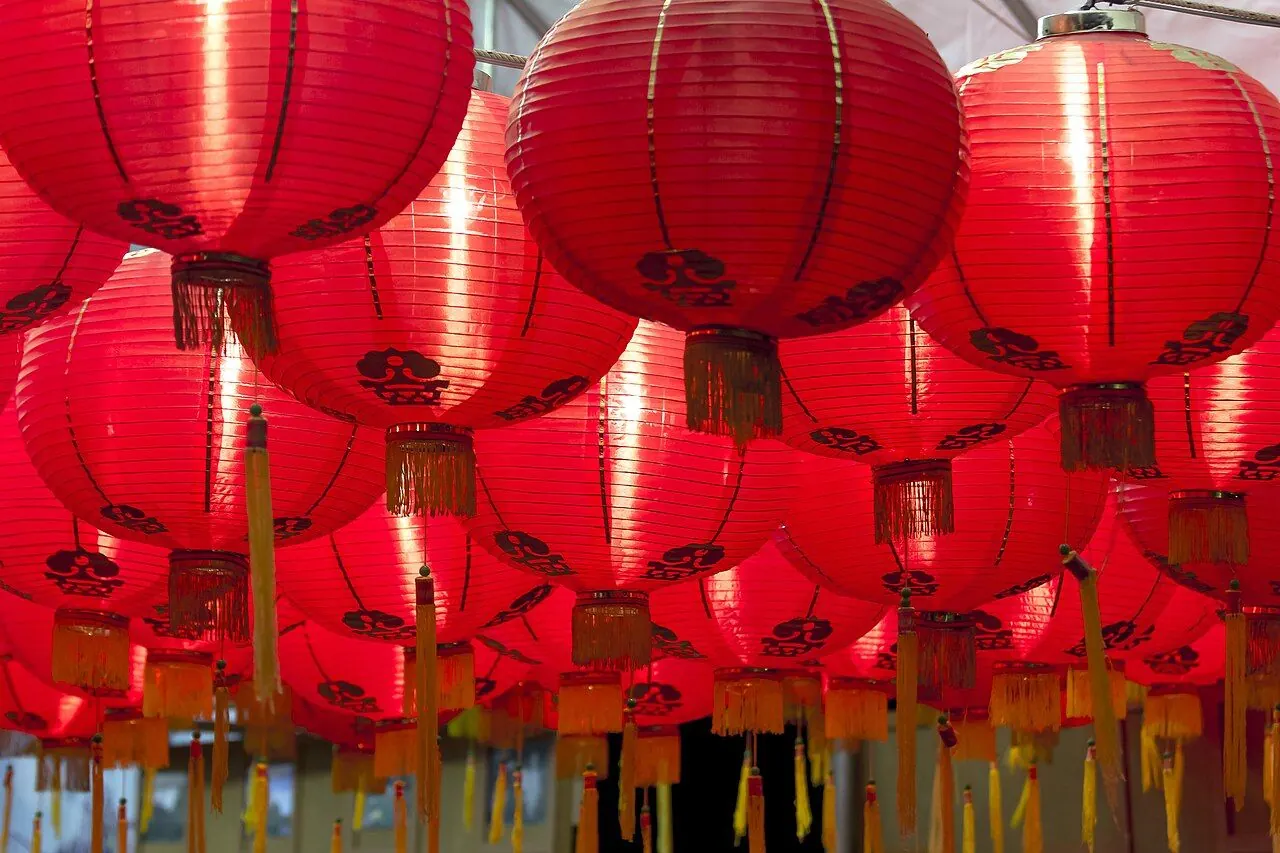
Photo: wiroj / Wikimedia Commons, CC0. Illustrative image.

Partner feature. This article was supplied by a partner and published on doo-nanny.com. It sits outside the editorial sections of the magazine. About partner content.
I stand in a quiet gallery. A tile wall from a 15th‑century mosque fills my view. The pattern turns and turns, like a calm wave of eights and stars. A guard walks by. The room hums. Cut to a casino floor: bright felt, a red LED “17,” chips click like rain. In both rooms, numbers do more than count. They carry hope, fear, memory, and style. They shape how we look at a canvas and how we place a bet.
Why numbers feel heavy to us
People give numbers stories. We do it to make the world feel less wild. That is the heart of numerology. It is not math; it is meaning. If you need a clear base on what numerology is, Britannica has a good start. In the West, this often links back to old Greek ideas about number and shape. You can read more on early Pythagorean number thought in the Stanford Encyclopedia of Philosophy.
Postcards from many places: how cultures read numbers
China: 8 calls wealth; 4 whispers loss
In many Chinese languages, “8” sounds like “to prosper,” so 8 feels bright and rich. The 2008 Beijing Olympics started on 08/08/08 at 8:08 p.m. for this reason; see the BBC’s note on why 8 reads as prosperity. But “4” can sound like “death,” so many avoid it. Some buildings skip the 4th floor, as Reuters has reported. In art, you see eights as knots and waves. In casinos, you see the same pull: phone numbers, tables, and even opening days packed with 8s.
Japan: 4 and 9 carry a chill
In Japan, “4” (shi) can mean “death,” and “9” (ku) can sound like “pain.” Some clinics skip these room numbers. A short guide from BBC Travel explains why 4 is the unluckiest number in Japan. In art, sparse marks count time and loss. At the tables, some players tiptoe around these totals.
India: 108 is a full circle
In Hindu practice, 108 beads make a mala for prayer. The number ties to sun, moon, and sacred texts. See Britannica’s overview of Hindu traditions for context. You can spot 108 in temple steps and in dance counts. In gaming hubs with South Asian roots, you may hear of bets or gifts made in sets of 108, as a sign of care.
Hebrew texts: words add up
In Jewish study, letters have number values. This is called gematria. A word can “sum” to a new link or hint. Here is gematria explained by Britannica. The British Library also shares notes on Hebrew books and number play on its manuscripts blog. In sacred art, numbers fold into pattern and verse. In games, names, dates, and birthdays often guide “lucky” picks.
Italy: the strange case of 17
In Italy, some fear 17. One story goes that the Roman numerals XVII can turn into “VIXI,” read as “I have lived,” which hints at death. Smithsonian Magazine’s culture explainer on unlucky numbers notes how local rules shift; see why some numbers scare us while others do not. In betting rooms, 17 draws both fans and foes, and on a roulette wheel it has a folk charm of its own.
A quick map before we go on
Numbers cross borders, and so do their stories. The table below pairs a few key numbers with art notes and what we see near the felt. It is a guide, not a rulebook.
| 0 | Void; start point | Modern art loves the clean circle | House edge boost on roulette with 0/00 | UNLV gaming research |
| 1 | Unity; the One | Islamic art repeats the One in pattern | “One more spin” bias shows up a lot | The Met on geometric art |
| 3 | Trinity; balance | Triptychs in medieval painting | “Best of three” rituals at the table | Britannica: Trinity |
| 4 | East Asia: sounds like “death” | Design skips 4 in rooms/floors | Avoided seat or stake sizes in parts of Asia | Reuters on skipping 4 |
| 7 | “Complete” in many faiths | Icons and texts mark sets of 7 | “Lucky seven” lore; but in craps, 7-outs hurt | MathWorld: craps math |
| 8 | China: wealth; infinity shape | Knots and cloud bands echo an 8 | Dates and phone numbers packed with 8s | BBC on 08/08/08 |
| 9 | Japan: sounds like “pain” | Spare marks in postwar art | Players step around 9 in picks | BBC Travel (context) |
| 13 | Bad luck in the West (often) | Friday the 13th in pop art | Some hotels skip floor 13; some players chase it | Smithsonian culture explainer |
| 17 | Italy: linked to “VIXI” | Roman numerals in epigraphy | Avoided by some; loved on roulette by others | Smithsonian (regional notes) |
| 108 | Full set in Hindu practice | Mala beads; temple steps | Symbolic stake sizes or gifts in sets of 108 | Britannica: Hinduism |
| “Golden ratio” | Beauty myth (often overstated) | Used at times; but claims are overblown | Not a guide to odds or “hot” picks | Scientific American myth check |
| Dates | Birthdays, vows, lucky days | Today series by On Kawara | Betting on dates; launch days full of 8s | MoMA collection (On Kawara) |
Note how 7 feels “complete,” yet in craps a seven can end your roll. Art says “safe,” math says “stop.” That tension is the point of this piece.
Macau, where “8” sells the dream
Walk the Cotai strip and you will see it: 8s in logos, 8s in dates, 8s in VIP phone lines. A hotel might open at 8 p.m. on the 8th of the month. Yet the floor plan dodges 4. It is not a law; it is brand and belief. For rules and reports, see Macau’s own gaming regulator (DICJ), and check the Statistics and Census Service for the bigger picture. The market is young, loud, and very sure that numbers talk.
In one photo from my notes, a baccarat pit has a string of table IDs that end in 8. I asked a staff member why. He smiled: “Guests like it.” No need to say more.
When meaning meets math
Games of chance are not stories. They are math. Each spin or deal is its own thing. It does not “know” the past. This is key: events in fair games are independent. A run of reds does not make black “due.” Random Number Generators (RNGs) for online games use tests like the NIST randomness checks to keep streams fair. In land‑based rooms, rules and payouts set the “house edge.” For a deep dive into that edge across games, look to the UNLV Center for Gaming Research.
Take craps. People love “lucky seven.” But on a point, a seven ends the round. The odds of each sum are set by the dice. Wolfram’s MathWorld entry on craps shows the count behind each outcome. No charm shifts those counts.
Or take online slots. They run on RNGs with set RTP (return to player). Fair play rules in markets like the UK come from the UK Gambling Commission. Labs also check math claims and audits. That is dull, but it builds trust.
Where art and play bump elbows today
Modern artists count days, mark hours, and repeat forms to show time and self. Players do much the same with small rites: a lucky seat, a fixed bet size, a date on the felt. If you prefer math over lore when you read a game, one clear guide is a site with plain notes on odds and offers. For example, here is a simple page on bonuses—see paras kasinobonus—but always match any offer to your own limits and local rules first.
Quick Q&A: straight answers, no magic
Here are short answers to common questions we hear from curators and game analysts. Sources are linked where it helps.
Q: Why do number signs last so long in art?
A: They are easy to repeat. They travel with trade and faith. They turn hard ideas into a shape your eye can hold. Think of Islamic tile work and its deep pattern world; the V&A has a rich archive on Islamic art geometry.
Q: What do players most often get wrong about “lucky” numbers?
A: They mix up meaning with math. Meaning warms the heart. Math sets the odds. House rules, not charms, drive results.
Q: Is there one art piece that changed how you see numbers?
A: On Kawara’s Today paintings. One date per canvas. No myth, just time made solid. See a slice in the MoMA collection.
Q: Where can I learn safe play rules that the industry uses?
A: The American Gaming Association lists norms and links to state rules; start at the AGA site. In the UK, see the UKGC. For audits of online games, check eCOGRA.
Your toolkit: enjoy the meaning, respect the math
- In a museum, ask: what does this number link to here? Faith? Trade? A ruler? A date? Read the wall text. Note the shape, not just the count.
- At a table, name the rule that sets the edge. In baccarat, 8 and 9 are “naturals,” but that does not make 8 “luckier” for you. It is just how the totals work.
- Fight the fallacy. A long run does not make a flip “due.” Each fair spin or deal starts fresh.
- Set limits and timers. Take breaks. If play stops being fun, stop.
- If you compare welcome offers, read the fine print first. Wagering rules can be tough. A plain intro to deals is here: paras kasinobonus. Use it to learn terms, not to chase bigger stakes.
- Need help? In the US, the National Council on Problem Gambling has tools and a helpline. In the UK, go to BeGambleAware.
FAQ
Is 8 truly “lucky” in baccarat?
In baccarat, 8 and 9 are high totals and can end a hand. That is a rule, not a charm. The edge comes from the draw rules and payouts, not from the digit itself.
Do casinos rig number outcomes?
Legal rooms must follow strict rules. Wheels and dice get checks. Online RNGs face lab tests, such as NIST methods, and audits by groups like eCOGRA. In the UK, the UKGC sets clear standards.
What is gematria?
It is a way of giving number values to letters in Hebrew. Words can share a value and a link. See Britannica’s entry on gematria.
Are online slots fair if they have “hot” streaks?
True streaks can happen in random play. They do not prove bias. Look for lab audits and a clear RTP. Sites like the UNLV Center for Gaming Research explain why streaks do not break math.
Why is 17 feared in Italy but loved on roulette?
Culture and habit split. In daily life, 17 can feel dark to some. At the wheel, 17 sits center, and some star players have picked it. That fame feeds the lore, not the odds.
Sources and further reading
Core sources cited above: Encyclopaedia Britannica; Stanford Encyclopedia of Philosophy; The Met; V&A; MoMA; BBC; Reuters; Smithsonian Magazine; UNLV; Wolfram MathWorld; NIST; UKGC; eCOGRA; AGA; DICJ (Macau); DSEC (Macau); NCPG; BeGambleAware; Scientific American.
Editorial note: This article is for culture and learning. It is not betting advice. If you choose to play, know the rules, set limits, and follow the law where you live.
By: Editorial Team
Last updated: 14 March 2026
Contact: editor@your‑site.example