Partner feature
9 min read
Ceramics of Chance: Dice, Tiles, and the Aesthetics of Play
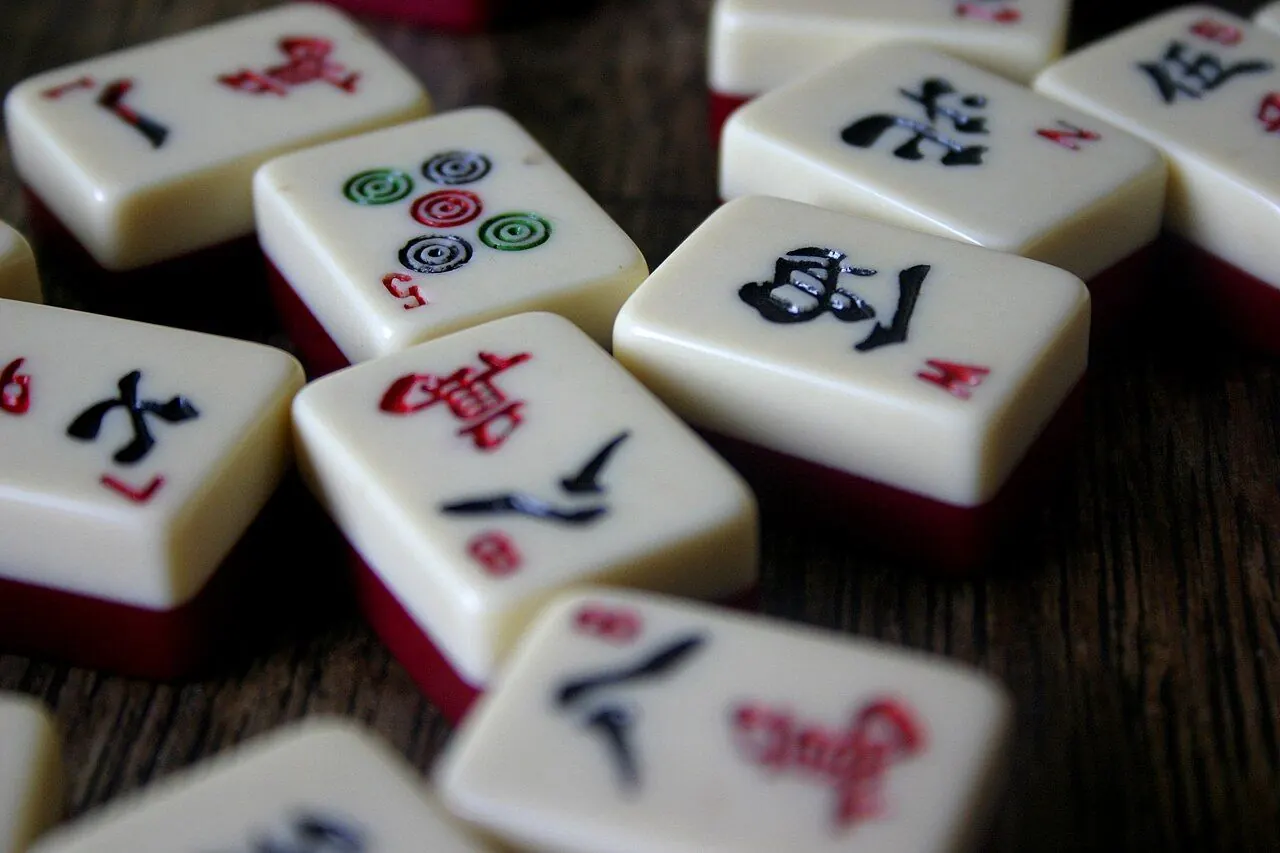
Photo: joeannenah / Wikimedia Commons, CC BY 2.0. Illustrative image.

Partner feature. This article was supplied by a partner and published on doo-nanny.com. It sits outside the editorial sections of the magazine. About partner content.
The die leaves my hand. It ticks over a leather apron, then rests near the wheel. The sound is not bright. It is low and kind. The clay feels cool and firm. It holds a mark like it holds a story. I roll it again. It does not fly. It glides. In that small trip across the bench, I feel weight, edge, and a promise of luck.
Clay is not a blank thing. It is a partner. It shapes how we touch, see, and wait. It shapes how chance feels. This is a story about dice and tiles. It is about how a small block of fired earth can make play more clear, more warm, and sometimes more fair. And yes, long before plastic, people rolled carved bone. You can still see fine Roman bone dice in museum cases, still sharp, still bold.
Field notes from the workbench
I make dice and tiles on a small table by the kiln. I keep a log. I note the clay body, the water feel, the dry weight, the glaze coat, and the fire cone. I drill pips. I check walls. I sand the edges. Then I test. I roll each die 100 times on a flat wood board. I roll the same die 100 times on a ceramic tile. I write down the face counts. I look for drift.
Small things move the center of mass. Deep pips pull one side. A heavy inlay leans the die. Glaze can pool and add weight near edges. If walls are not even, air voids can form. A tiny change in a small cube can shape odds in a big way. So “fair” is not a yes/no. It is a range. For art dice, I aim for “beautiful fairness.” It feels honest. For match play, I need “tight fairness.” It needs strict checks.
My kit is simple: a good scale, a caliper, a sharp drill bit, a flat test board, and a page with boxes for counts. I aim for shallow, clean pips and even glaze. I roll in sets. I rest the die between sets. Heat from the hand can hide tiny faults in the short term. Cool clay tells the truth.
A crooked timeline of chance ceramics
People have played with chance for a long time. The line is not straight. We move from bone and wood to clay and stone, then to ivory and back again. If you want a quick read on the long arc, here is a clear view of the history of dice materials. It shows how a need for fair play stood next to a love for craft. We do not just want a number. We want a feel.
Elsewhere, tiles did more than mark space. In the Islamic world, tile stars mapped order and light. They linked math, art, and touch. Look at the fine craft in these Islamic star tiles. You can sense rule and chance in the same glaze crack. Later, porcelain rose. Mahjong tiles gained bright, crisp marks and a cool hand. Domino sets spread with trade and time. Each step was a new deal between hand, eye, and luck.
The gallery wall: case studies you can touch
Case 1: Porcelain dice
Porcelain is dense. It fires hard and white. It keeps a sharp edge. It rings with a clear ping when it taps a plate. It looks pure. But it does not forgive lazy work. If pips are too deep, one face grows heavy. If glaze pools, the cube leans. My best results come from shallow, even pips, thin glaze, and light hand-sand on edges. A good porcelain die looks clean and rolls with grace.
Case 2: Stoneware mahjong tiles
Stoneware is tough and calm. It holds detail. It feels warm and sure in the hand. Carved marks read well. The sound on the table is a soft thock, not a ping. For long sets, this is kind to the ear. Glaze can add shine and seal, but I like a satin or matte face for grip. If you want to see old and new side by side, browse mahjong tile sets in museum collections. Note the size, the depth of the cut, and the way the mark flows with the clay body.
Case 3: Earthenware dominoes
Earthenware has a warm feel. It chips more than stoneware. Edges can wear fast if the glaze is thin. But the look is deep and soft. Black pips read well on a cream or red base. For family play, earthenware is fine, if you seal it well and store it with care. If you need a quick primer on the game itself, read this short guide on domino, origins and rules. The rules shape the way you touch and place tiles, so the material should match the pace of play.
Case 4: Raku as a rebel
Raku is drama. Crackle and smoke dance on the surface. Each piece is one of a kind. For art dice or show tiles, raku steals the scene. But walls can be uneven. Voids can hide inside. Edges are fragile. The roll is wild. I do not use raku for games that need fair odds. I use it to tell a bold story on a shelf or in a photo.
Math interlude, minus the headache
Here is the short math. A die is fair when its center of mass sits at the true center, and each face is equal in size and weight. Small pulls from deep pips, heavy paint, thick glaze, or wall shifts push that center off. Then some faces win more than they should. If you want a gentle intro to why tiny bias grows over many rolls, read how small biases affect outcomes. The key idea: tiny tilts add up. For show dice, a light tilt may be fine. For match play, it is not.
The maker’s table: materials and how they act in games
Not all clay is the same. To ground this, first see a clean note on what ceramics are. Then use the table below to match your need with a clay body and finish. Pick for feel, look, and the level of fairness you want.
| Earthenware | Lower density, more pores if not sealed well | Softer; chips at edges with heavy play | Uneven shrink; glaze pools at rims | Warm, matte feel; soft, low click | Casual dominoes; rustic dice for light play | Folk tiles and early game pieces | Seal with clear, hard glaze; watch for crack lines (see understanding glaze crazing) |
| Stoneware | Mid to high density; low pores | Strong; holds crisp edges | Deep pips can bias a face | Solid thock; sure grip | Mahjong tiles; robust dice | East Asian stoneware lines | Satin or matte glaze to avoid slip; keep inlays light |
| Porcelain | High density; vitrified | Very hard; clean edges | Heavy inlay or deep cuts shift mass | Cool, smooth; bright ping | Show dice; premium tiles | Fine porcelain gaming sets | Thin, even coat; shallow pips; color underglaze for stability |
| Raku | Lower density; more voids | Brittle; chips fast | Irregular walls; high bias risk | Textured; dramatic look | Art objects; not for fair play | Modern studio art | Use as display; not for match play surfaces |
Quick pick rules: want soft feel and home play? Try stoneware tiles with satin glaze. Want a clean, bright die? Use porcelain with shallow pips. Like warm, folk charm? Earthenware is fine if you seal it and play gentle. Avoid raku for fair rolls. It is art first.
Intermission: a conservator’s whisper
Good pieces last if you treat them right. Keep sets in a padded box. Space them so tiles do not rub. Avoid big swings in heat and damp. Wipe with a soft, dry cloth. Do not soak. Cracks can grow if water gets in. For clear steps on care, read this guide on the care of ceramics. Treat edges like glass. They are strong, but not unbreakable.
Where craft meets modern play
We make with our hands. We also choose what to play by reading and learning. If you enjoy how material feel turns into risk and rhythm at the table, you may want to compare how games handle odds and fairness in the real world. For that, see comparación de casinos (Spanish: casino comparison). It gives clear, independent looks at rules, odds, and user trust. We may partner on content; tests and views stay independent. Please play with care and set your own limits.
How to test “beautiful fairness” at home
You can run a quick check with simple tools. This is not a lab test. It is a maker’s test. It tells you if your die leans too much, or if it sits in a safe range for home play.
- Pick a flat, hard surface. Wood or a smooth tile is good. Clean it.
- Warm up your hand, then cool the die on the table for one minute.
- Make five sets of 20 rolls (100 in total). Change start face each set.
- Record counts for faces 1–6. Use a simple grid on paper.
- Rotate the die 90° between sets to mix any small habit in your roll.
- If a face shows ±20% from the ideal in a 100-roll run, note it. Rest and repeat another 100. Look for the same drift.
- After glaze and final fire, test again. Compare before/after.
- If drift stays, try to sand edges or fill deep pips, then re-test.
Short runs can fool you, so look for repeat signs. If you want a nice pop-sci view on this, see: are dice fair? It shows how real dice can still lean and why.
Theory corner: the aesthetics of play
Why do some dice feel right? Part is look and touch. Part is the sound of a roll. Part is trust. A fair roll has a kind of beauty. The hand accepts the wait. The eye accepts the fall. This links to how we judge beauty at large. For a deep read, see the entry on aesthetic judgment.
Games also have form. They tie rule and chance with skill and time. Material choices push that mix. A slick tile speeds play. A rough die slows it down. Both can be good, if the design fits. For a strong, clear book on how rules build play, see Rules of Play. It can change how you see a small cube on a big table.
FAQ
Are ceramic dice balanced?
They can be. Balance depends on even walls, shallow and even pips, and thin glaze coats. Porcelain and stoneware hold shape well. Test each die. A small pull can make a face win more than it should. For home fun, a tiny bias may be fine. For match play, aim for tight checks.
What clay body is best for gaming pieces?
Stoneware is a safe choice for tiles and dice. It is strong and holds detail. Porcelain is great for sharp, clean dice and premium tiles, but it needs care in drilling and glazing. Earthenware feels warm and looks good in rustic sets, but edges can chip if you play hard.
Do glazes affect dice fairness?
Yes. Thick glaze can pool and shift weight. Uneven glaze can pull a face. Thin, even coats are best. Underglaze for color is safer than heavy inlay. Watch for glaze crack lines, as they can spread. Here is a good guide to glaze crazing.
How are mahjong tiles traditionally made?
In many sets, hard, dense bodies are used. The mark is carved or inlaid, then sealed. In porcelain or fine stoneware, the cut is crisp and deep enough to read, but not so deep it weakens the tile. You can view historic sets here: mahjong tile sets in museum collections.
How do I test my handmade dice at home?
Roll 5×20 times on a flat surface. Note counts. Rest, then repeat. Rotate start faces. Look for repeat drift on one or two faces. If drift stays, fix pips, sand edges, or adjust glaze. Test again. See also: are dice fair?.
How do I store and protect ceramic game sets?
Use a padded box. Keep tiles and dice from rubbing. Avoid heat and damp swings. Wipe with a soft cloth. Do not soak. For more tips, see the care of ceramics guide by a leading group in the field.
Sources, credits, and making-of
Method: I weighed blanks, drilled shallow pips, and ran 200–400 rolls per die across wood and tile. I logged the counts and tracked change after glaze. I used a 0.01 g scale and a 0.02 mm caliper. Thanks to a local conservator for a note on storage and to museum open data for public images and records. Links above point to museums, a math magazine by a top university, a press site, and a pro group for ceramic science. Last updated: [add date]. This article is for information and craft only. It is not advice on gambling or money play.